Religion
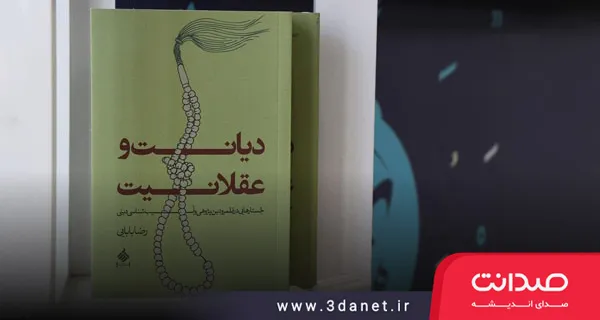
The Debate Between Cause and Reason, Reza Babaei
Soroush's theory about the Quran may lack evidence, but it is not without cause; its origin lies in the problem of text-centrism and its misalignment with new human approaches. Reza Babaei believes that instead of debating the evidence, opponents should demonstrate the efficacy of traditional rulings.
In the debate between Mr. Bazargan and Mr. Soroush, Mr. Bazargan defends the traditional view of the Quran, while Mr. Soroush advocates a theory that has little historical precedent or backing in Iran. Mr. Soroush does not provide reasons to prove his theory; rather, he largely outlines a new perspective on revelation and the language of the Quran—although the traditional theory also lacks a rational demonstrative proof. The fact that Mr. Soroush describes the Quran as the Prophet's veridical dreams, rather than God's explicit words to him in wakefulness, while lacking a reason, is not without a cause. Theories or hypotheses in all sciences have a cause in addition to a reason. The cause is what brings something into being; the reason is what indicates it. The cause bestows existence, and the reason bestows awareness. For example, the specific position of the Earth relative to the sun is the 'cause' of cold weather, and the freezing of water is the 'reason' for it; that is, from the freezing of water, we infer that the air temperature is below zero. But the freezing of water is not the cause of the cold weather; rather, it is the reason for it. Mr. Soroush's theory about the Quran lacks a reason; but it is important to know why such a theory has emerged and why many religious intellectuals hold a reading of the Quran and Hadith similar to it—in its consequences and effects. In other words, we must see what the origin of this theory, whether correct or incorrect, is and what problem it is supposed to solve or what path it is meant to open before Muslims. In my opinion, the proponents of this theory and similar ones have perceived a knot in religious studies and religiosity that they deem impossible to untie through traditional means. In their belief, whether correct or incorrect, the traditional conception of the Quran does not answer certain questions, and this very inability and silence has paved the way for the creation of other theories about revelation and the Quran. But what is that problem which—in the view of some religious intellectuals—the traditional theory about the Quran is incapable of solving? The main problem lies in text-centrism. The text-centrism of religions makes them inflexible and fundamentalist. If the pillar of religion is its text, or texts, or historical propositions, there is no hope for its compatibility with new interests and truths. When the text is placed at the center of religion, it prevents any flexibility in the implementation of rulings and legislation. It is for this reason that fundamentalism is more prevalent among text-oriented and text-centric religions than in concept-oriented faiths and religions, such as Buddhism. The more sacred and heavenly a text appears, the more difficult its alignment with earthly events becomes. However, if we consider a text to be the joint product of God, humanity, and specific audiences, harmonizing it with the self-evident truths of the age becomes easier and less costly, and it is more effective in solving worldly and contemporary problems. The difference between texts of the first type (entirely heavenly) and the second type (divine-human) is the difference between 'the path' and 'the guide.' Entirely heavenly texts are the path and the guide; but divine-human texts claim nothing more than general guidance. The incongruity of certain Quranic propositions with new human approaches is another problem with the traditional theory about the Quran. The traditional theory, which sees the Quran's relationship to God as akin to the relationship of a written text to its author, either denies or justifies those incongruities, and if it does accept them, it says: these approaches are wrong and must change. But religious intellectuals are neither willing to turn a blind eye to these approaches, nor do they accept abandoning religion. Therefore, they seek a new conception of religion in which the text is not the sole axis and backbone, so that they can present religion not as the path but as the guide. However, from the traditional perspective, the Quran is the very Word of God, eternal and universal, and its explicit statements in the realm of social laws and rulings cannot be ignored in any way. The theory of 'Prophetic Dreams' and similar theories have taken on an intellectualist mission. In these theories, the Quran is a book that narrates the spiritual experiences and instructions pertaining to the person of the Prophet (PBUH). Therefore, its relationship to God is like the relationship of the Prophet's (PBUH) spiritual and historical experiences to God. It is for this reason that the Prophet (PBUH) did not undertake the collection of the Quran; because the collection of the Quran by the Prophet (PBUH) would have meant that this book had the same relationship to others as it had to him, whereas 'Only he to whom it is addressed knows the Quran.' (Wasā'il al-Shīʿa, vol. 18, p. 136) Mr. Soroush's theory and similar ones have their origins in such a source. In these theories, the cause is more important than the reason. Opponents, instead of grappling with the reasons, should be able to dry up the source of such theories and, for example, demonstrate that the law of qisas and diyat in the Quran is more effective than the latest theories of jurists on issues such as the death penalty, blood money, inheritance, and women's rights.
.
.
Reza Babaei | Friday, May 13, 2016 | Reza Babaei's Personal Website
.
.

Discussion6 comments
چون فطرت=خدا و خدا=فطرت پس پیامبر خاتم سخن آخر فطرت را به بشر آوردهاست یعنی آنچه که بین دو تفکر اسلامیه وحیگریانه است در حقیقت برقرار است!!!!! این عند حقیقت است. راستی بر همگان واضح است سخن فطرت حسی سلیمی است نه دهانی بیداری نه رویای صادقه خوابی بلکه کلامی حسی سلیمی یا سخن فطری تمام. در کل وحی=حسی تمام عیار و کمال یک کلام صد کلام {هو الله فاطر...}
به نظر مي رسد نظريه دكتر سروش بيشتر قادر به پاسخگويي به بعضي سوالات است اول اينكه خداي ما متشخص است يا غير متشخص ؟اگر به خداي غير متشخص باور داريم يعني باور داريم كه خدا دهان ندارد پس سخن گفتن خدا همراه با صدا نيست يعني وحي به موسي يا محمد براي ما قابل شنيدن نيست پس چگونه به گوش پيامبر مي رسد ؟ اين نظريه چندان به ماهيت و چيستي وحي نمي پردازد بلكه بيشتر به مكانيسم وحي پرداخته است تا آنجا كه من نقدهاي اين نظريه را خوانده ام از مرحوم آقاي منتظري ،آرمين ،خرمشاهي ، سبحاني و ديگران آنان بديلي براي اين نظريه نداده اند كه اگر خدا دهان ندارد و سخن او از طريق گوش پيامبر به پيامبر نمي رسد پس راه دريافت چگونه است؟
سلام علی جان جواب یک کلام است: فطری یا ذات
نقد نظرات کتر سروش http://www.aparat.com/v/S42JH
شاید هم بر عکس حقوق دان ها بایستی نشان دهند که نظراتشان کارامدتر از قانون قصاص و دیات در قرآن است.
به نظر من رای اقای بابایی کاملا غلط است . هر رای و عقیده ای معلل است ( یعنی بالاخره یه علتی داشته ، و علی الاکثر علت روانشناختی ) . هم سروش و هم بازرگان بدون علت حرف نمیزنند . - هم سروش دلیل میاورد و هم بازرگان . به بیان دیگر هر دو متدولوژی دارند . متدولوژی بازرگان متدولوژی ثابت و واحدی نیست . هر جا گیر میکند به سراغ محکم و متشابه میرود ، و در جای دیگر معنای ایات را غیر استعاری میداند . متدولوزی بزرگان یک بام و دو هواست . مضاف به انکه دلایل ایشان ، دلایل علمی و منطقی نیستند ، بلکه شبه دلیل هستند . - اما دیدگاه سروش ، یک دیدگاه تعبدی و بر اساس متدولوژی یک بام و دو هوایی نیست . یک دیدگاه پدیدارشناسانه ( بدون پیشفرضهای غیرقابل اثبات ایمانی ) است . در مجموع باید گفت اتقان سروش مطلقا غیر قابل مقایسه با رای بازرگان است