Religion
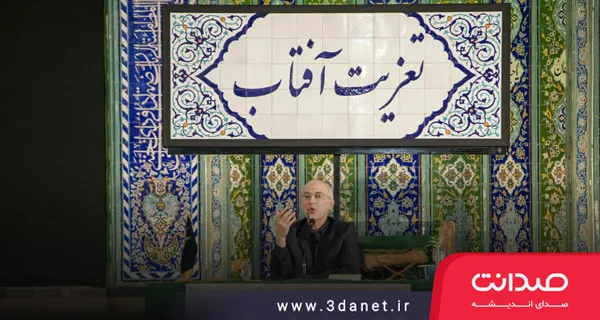
Reza Babaei and Mehdi Aboutalebi Debate Religion and Civilization-Building on Zavieh
Reza Babaei described the current drive for civilization-building as a whim and unrealistic, emphasizing that civilizations emerge rather than being constructed. Mehdi Aboutalebi, for his part, identified a stable political system as the foundation of civilization and noted that we have yet to achieve a coherent social order.
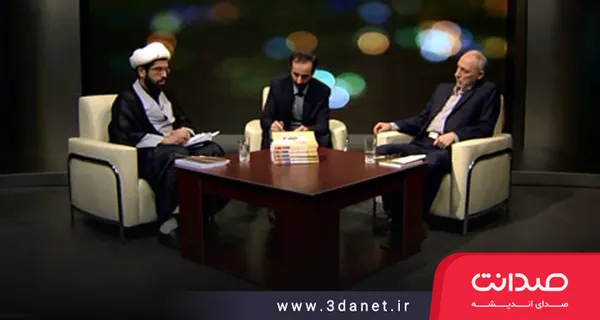
The Zavieh program on the topic of “Religion and Civilization-Building,” featuring Mehdi Aboutalebi and Reza Babaei, was broadcast on Channel 4 of Iranian TV on March 1, 2017.
Zavieh is one of the cultural programs on Channel 4 of the Islamic Republic of Iran Broadcasting, produced as a roundtable discussion and dedicated to issues in the humanities, culture, and society. The program airs on Wednesdays at 8:30 PM, and Alireza Haeri is its producer.
Civilization-building in this era and with current means is a whim
Dr. Reza Babaei, a researcher and author, in explaining the nature of civilization, stated: Proposing the category of civilization-building in this era and with the existing grounds is unrealistic, and I do not consider our historical standing to be such that it can express these categories at their current volume; that is, it is unrealistic and somewhat insincere, and I believe this expression is a kind of forward flight, because when we speak of a phenomenon and its emergence, we must first examine whether its foundations and pillars exist, and if not, to what extent they are accessible to us.
Pointing out that if a category is very distant, one can still speak of it provided we are on that path and the way is also smooth, he added: I believe that raising the issue of civilization-building, which for some time now has seized us like a whim and for which we hold conferences, meetings, and lectures and write books, is far too early.
Civilization is something that is built
Babaei, noting that one must be careful with the compound term “civilization-building,” continued: According to thinkers, civilizations are not built; rather, civilizations are built, meaning that if something follows its natural course and passes through its embryonic and initial stages, it comes into being. But to go to sleep at night and wake up in the morning with a whim to build a civilization is not possible, because if it were possible, all the tribes of the world would have built civilizations.
This researcher and author, noting that someone can speak of civilization only if they have at least passed through development, stated: Civilization is a social order and a platform for the flourishing of talents, and this is the well-known definition of civilization. But this is the definitional face of civilization, and the means and tools must exist.
Following this, Hojjat al-Islam Mehdi Aboutalebi, a faculty member at the Imam Khomeini Education and Research Institute, posed a question to Babaei: What is our role in building civilization, and if it is supposed to come into being on its own, is that not historical determinism?
Civilization has emerged from among cultures
Babaei responded to this question: Civilization is not historical determinism. If you look at history, you will find that, for instance, Muslims built civilization in Iraq and Baghdad, and Christians in another place; that is, from this side of history, civilization has been built. But when we look from the other side, we observe that a people possessed requisites of social order, knowledge, insight, and so on, and these refinements created civilization; that is, civilization emerged from among culture and the collective, and the people did not do direct work to build this civilization.
Civilization is not built overnight
This author and researcher, noting that the building of civilizations does not mean their sudden creation and that will, slogans, and words are not enough for this, but rather a specific path must be traversed, stated: People first lived in deserts and met their biological needs; then other needs arose, to meet which they entered cities.
At this point in the discussion, Hojjat al-Islam Mehdi Aboutalebi said: How did these cities come into being? Were they not built? People, for instance, built houses to meet their needs.
Babaei added in response: Right now, with the country’s current means, climatic conditions, economic possibilities, and so on, more essential issues must be discussed, and we have not yet reached the possibility of building a civilization.
A stable political system is the foundation of civilization
Hujjat al-Islam Mehdi Aboutalebi, a faculty member at the Imam Khomeini Education and Research Institute, stated that the first foundation of civilization is a stable and secure political system, emphasizing: Without this political system, civilization cannot be achieved. At the beginning of the revolution’s path, Imam Khomeini repeatedly advised the Pahlavi regime; when no change or reform occurred, we made the revolution and then an Islamic system was established. In the next stage, an Islamic state must be created, and we are still at this stage.
Social order must be established without the use of force
Reza Babaei, writer and researcher, stated that all those who have spoken about civilization have pointed to social order, but expressed: There is disagreement regarding this order. Some consider this order organic and living, which is established without the use of force, like the order in Iraq during Saddam’s era, after which these current monsters emerged, and some consider order to be constructible. In any case, social order does not mean the establishment of security and the absence of war in a country.
Hujjat al-Islam Mehdi Aboutalebi, a faculty member at the Imam Khomeini Education and Research Institute, added in this section: Civilization requires a harmonious and continuous social order, which this country has not yet achieved, and that is why we are seeking to create civilization.
Then, continuing this discussion, Reza Babaei stated that a harmonious and organic social order creates civilization, and clarified: But an order is also needed after civilization, which is the emergence of the state and system. However, in this country, that natural order for the relationship between the nation and the state has not yet come into being.
Social order; the shaper of civilization
Hujjat al-Islam Mehdi Aboutalebi, a faculty member at the Imam Khomeini Education and Research Institute, continuing by pointing out that social order shapes civilization, added: We believe we have not yet reached that order, but the order existing in Saddam’s Iraq or the current order in the West is influenced by the system and coercion, and is not accompanied by the people’s consent. They have established it with cameras and the tax system, and it can be observed what scenes unfold when the cameras are turned off.
Officials’ statements and people’s perceptions differ
Dr. Babaei, writer and researcher, in response to this issue, pointing out that not every order shapes transformation, said: When independence is discussed in the country, people have a certain understanding, but when it becomes clear that our independence meant no relations with others and self-sufficiency at any cost, it differs from people’s perceptions. Or when we discussed freedom, people had an understanding that was different from the current situation; therefore, when transformation is also discussed, the meaning and concept must be fully expressed.
Stating that Confucius says the worst oppression is the oppression of words, he emphasized: When transformation is spoken of, people imagine something on the level of the current state of New York or Safavid-era Baghdad, but after a while, they observe that a wasteland is delivered to them.
Imam Khomeini explicitly defined freedom and independence
Hujjat al-Islam Aboutalebi continued, stating that Imam Khomeini explicitly expressed his goal and the revolution’s goal regarding freedom and independence, and said: That is why when differences of opinion arose between Imam Khomeini and Engineer Bazargan, or between the late Imam and the People’s Mojahedin, and they stepped aside, there was no protest, because Imam Khomeini spoke clearly, explicitly, and understandably for the public, and the people chose it and even shed blood for it for 8 years, and now they are also shedding blood in the form of the literature of resistance. Yet, with this same understanding of freedom and independence, they are now demanding, as some of the goals have not been realized.
Criteria for the difference between modern Islamic civilization and Western civilization
Pointing out that the new Islamic civilization differs from both Western civilization and even Islamic civilization, he added: This civilization is not a revival of Islamic civilization, but it has drawn on the experiences of that civilization and Western civilization, while also having many differences from them.
Referring to the differences between the new Islamic civilization and Western civilization, Aboutalebi stated: Bush's national security advisor said: "The dispute between Imam Khomeini (RA) and Carter stemmed from a fundamental difference in their worldviews, because Carter's worldview was based on humanism and secularism, whereas Imam Khomeini's (RA) worldview was based on theocentrism, and this is the main difference between the new Islamic civilization and Western civilization."
The faculty member of the Imam Khomeini Educational and Research Institute added: In the new Islamic civilization, material matters and the afterlife are considered together, but in Western civilization, there is no guarantee that a path will be accepted in the afterlife, whereas in Islamic civilization we believe that the afterlife dimension must be assessed in every action and plan.
Civilization is a vision, and one must strive to realize it
This report adds: Continuing this discussion, Dr. Jahanbin, a faculty member at Shahed University, also stated in a phone call to the program: The concept of civilization belongs to the realm of futures studies, where one must first envision the future and then strive to achieve it, meaning that civilization is a vision, and one must work to attain it.
He added: Without civilization, one cannot speak of unity among Muslims, because civilization does not occur in a single country; rather, it requires a geographical realm within which Shia and Sunni can live together and side by side.
Discussing transformation is a cover-up for issues and problems
According to this report, Dr. Babaei, an author and researcher, pointing out that discussing transformation in this country is a kind of cover-up for issues and problems, emphasized: Civilization-building arises from teamwork; therefore, we should not seek to eliminate but rather seek a path for convergence and interaction, because teamwork is based on forbearance, tolerance, and leniency, and one cannot build civilization with narrow-mindedness and closed circles.
Forbearance of the Prophet (PBUH) as the criterion for action in the new Islamic civilization
Hujjat al-Islam Mehdi Aboutalebi, a faculty member of the Imam Khomeini Educational and Research Institute, responded to this remark by saying: No one has sought to create a civilization overnight, nor is raising the topic of civilization a whim; rather, it is the work and collective opinion of a group of seminary and university scholars, and the Supreme Leader, as the originator of this discourse, has explicitly stated that we want a civilization that combines science with ethics, politics with justice, and material matters with spirituality; we certainly do not intend to deceive the people.
He continued: In the new Islamic civilization, we will act with the same kind of forbearance that the Prophet (PBUH) showed towards enemies, and accordingly, this forbearance has a limit and sometimes turns into "stern against the disbelievers."
Aboutalebi concluded by noting: As stated by the Supreme Leader, we are currently in the stage of the Islamic system and must reach the Islamic state, after which we will establish the Islamic society and government, so that ultimately civilization emerges—a civilization that is meant to shape all aspects of our social interactions and affairs.
.
.
Watch the video of the Religion and Civilization-Building Debate (YouTube)
Watch the video of the Religion and Civilization-Building Debate (Aparat)
Download the audio of the debate on Religion and Civilization-Building (19 MB)
.
.


Discussion9 comments
موضوعی که در این مناظره متاسفانه خلط شد این بود تمدن اسلامی که آقای ابوطالبی صحبت میکردند شاید حتی کوچکترین سنخیتی با جامعه ی کنونی ما نداشته باشد و شاید حتی با غرب شباهت بیشتری داشته باشد جامعه کنونی ما که تمام نظام ها و سازمان های مدیریتی اش برگرفته از غرب است آن هم غرب زمان انقلاب صنعتی و حتی نوع معماری و هنر، فیلم سازی و آموزش و پرورشش مبتنی بر غرب است نباید توقع داشت که با آنها محور اسلامی باشد تنها چیزی که در کشور ما اسلامی اتفاق افتاد انقلاب اسلامی بود که متخصصین را انگشت به دهان گذاشت نظام اسلامی به این معنا است که روی کاغذ قوانینی طراحی کرده باشیم که اسلامی باشند و... ونوع حکومت را تعیین کرده باشیم برای حکمرانی بهتر که همان انتخاب ولی فقیه و... با آن مکانیسم. و دولت اسلامی هم به این معنا که سازوکاری باشد برای اجرای قوانین این افق دید بالا میتواند مارا به دولت سازی اسلامی وادار کند وگرنه ناخواسته در تمدن غرب غرق خواهیم شد مثال برای تمدن اسلامی همان چیزی است که حضرت علی علیه السلام ایجاد کرده بودند نه آن چیزی که خلفای عباسی ایجاد کردند خلط این دوتا بزرگترین خیانت به تمدن اسلامی است
سلام .باید فهم این مطلب کرد که تمدن رشد می کند تمدن بر مبنای نیاز اقوام رشد میکند و به جلو حرکت می کند .یک مطلب را باید فهمید ، اینکه اگر برای ساختن و به قول بزرگوار عزیز آینده پژوهی کرد و در آن ریل گذاری کرد خواه نا خواه دچار یک تفتیش عقایدی خواهیم شد که در روزگار کنونی فزون از عقاید دینی خواهد بود و جنبه های وسیعی تری را در بر خواهد گرفت ، اگر کسی بر این مبنا و تفکر قدم بر ندارد قطعا در این جرگه قرار نمی گیرد و مطرود خواهد بود .و تنها کسانی حق وجود و تفکر دارند که در این سیر می اندیشند ، در طولانی مدت همان می شود که گذشته گان رفتند .و همان که فرمودند مرکز از دایره افتاد برون .
تمدن کیفیتی ارتقاع یافته زندگی بشریست 0نسبت به ماقبلش ،براساس جهان بینی هرجامعه باتوجه به تفاوت درارزش گذاری ایدئولوژی ها، تمدنی واحد نخواهیم داشت حتی دربین مسلمانان
با سلام در مورد گفتار دکتر بابایی که گفتند می بایست در کار گروهی تساهل و تسامح برقرار باشد، باید اذعان کنیم در هر دوره ای که یک تفکر غالب بوجود آمده سایر اندیشه ها از تفکرات مخالف بشدت به حاشیه رانده شده، یعنی عملا اخلاق با آمدن قدرت از میان رفته است. این یک آرزوی محال است.... همه ادعای آزاداندیشی دارند اما به محض اینکه نوبت به خودشان می رسد به هر طریقی به قله و قمع مخالفان می پردازند.
آنچه که امروز از آن به عنوان تمدن اسلامی نام برده می شود ، بیشتر به مدنیت قوام و تکامل یافته در سرزمین های تحت سیطره خلفای اموی ، عباسی در دوره اول اشاره دارد که از تشابه رفتاری برخوردار است و دوره دوم بعد از سقوط خلفای عباسی به دست هلاگوخان است که در آن دوره شکل نوینی از تمدن کشورهای مسلمان با ارتقای علم و فرهنگ و بالندگی در بخشی از سرزمین ها به اوج خود میرسد. اساسا دین در این رشد و اعتلای مدنیت نقش ثانویه و در مواردی نقش بازدارنده را ایفاء می کند.عرفان و خانقاه گری ، شیعه و اجتهادگری نه تنها نقش تسهیل کننده در تمدن را ایفاء نمی کنند ، بلکه مانع آنهم می شوند.ایجاد مفهوم "تمدن نوین اسلامی" هم بیشتر به یک شوخی تلخ شبیه است تا یک مفهوم دارای عمق و ریشه
بحث رنگ و بوی سیاسی گرفته بود و هر کدام از آقایان ضمن بیان نظرات خود از دیدگاهی و تفکری دفاع میکرد و در حال کوبیدن تفکر دیگری بود. یک بحث علمی بیطرفانه بدون دو قطبی شدن نبود. در این موضوع مثلا آقای رحیم پور ازغدی با مثلا آقای آشنا خوب بودند.
رحیمپور ازغدی، شوخی میکنید.?????
اگر اقای دکتر بابایها میتوانستند صحبت کنند،شاید حداقل در مسیر تمدن قرار می گرفتیم،اقای دکتر بابایی استاد عزیز جانا سخن از زبان ما میگویی،درود به شرفت،درود به غیرتت
بحث غیر تحلیلی و کم فایده ای بود . به نظر من جای یک بحث کلیدی و زیربنایی خالی بود و ان مسئله دمکراسی بود . فرض کنیم چیزی بنام تمدن اسلامی نوین به لحاظ نظری و تئوریک قابل بیان است . بسیار خب ، تا اینجا سلمنا . اما نکته کلیدی اینست که آیا این تمدن نوین اسلامی ، مبتنی بر خواست اکثریت جامعه است ، و یا صرفا سودای اقلیتی معدود است ؟ اقلیتی که کمترین اعتقاد و پایبندی ای به دمکراسی ندارند . به بیان دیگر سرنوشت و معیشت اکثریت جامعه ایران ، بازیچه تئوریهای اقلیتی معدود شده است . مساله اینست : فقدان آزادی ، و تحمیل اراده به روش قهریه .