Philosophy
The Inadequacy of Dualistic Terminology in Avicenna and Naser Khosrow, by Dariush Darvishi
The philosophical coinages of Avicenna and Naser Khosrow suffer from inadequacies due to their unfamiliarity with Greek and other ancient languages, as well as grammatical deviations. These inaccuracies are examined by comparing the morphological structures of Greek, Arabic, and Persian.
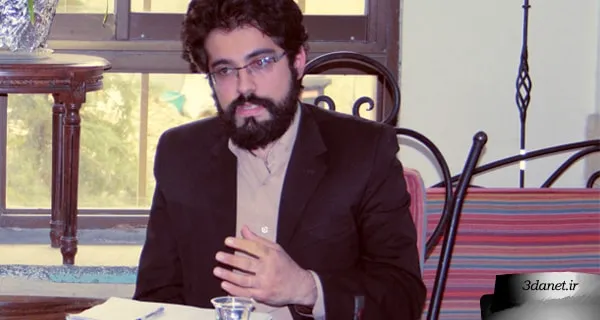
The earliest efforts to teach philosophy in the Persian language likely date back to the Sasanian period, for which we possess several historical attestations of the widespread use of Dari Persian at that time; nevertheless, after the beginning of Arabic philosophy in the Islamic period, efforts to write philosophy in Persian commenced, whose prominent figures are considered to be Avicenna (Pur Sina) and Naser Khosrow. The celebration of their efforts has been undertaken by many scholars up to now, and the present study does not wish to retrace their path. Here, we will only address the inadequacies and deviations that occurred in this coinage of terminology. These inadequacies occurred on several fronts: first, for such terminological coinages, deviations in the grammar of Dari Persian occurred; second, these two terminologists and founders were not familiar with Old Persian and Avestan languages, and this very lack of knowledge diminished their presuppositions and capacity for coining philosophical terms; the third front was their unfamiliarity with the Greek language, which was considered the mother tongue in philosophy. Neither Avicenna nor Naser Khosrow was acquainted with the Greek language, and their translation of key philosophical terms was carried out solely with the aid of an intermediary language, which was Arabic. Consequently, every deviation by Arabic-speaking translators from the key terms of Greek philosophy led to their deviation in translating the same term as well. Moreover, the structure of word formation in each language differs from another, and this difference will inevitably leave certain inadequacies in any translation. Therefore, a part of the aforementioned inadequacies arises from the structure of the Arabic and Dari Persian languages, and another part occurred due to Avicenna's and Naser Khosrow's unfamiliarity with linguistics and ancient languages. The present study will attempt to present examples of inaccuracies in terminological coinage and investigate the reasons for these inaccuracies based on a comparison of the structure of that term in Greek, Arabic, and Dari Persian.
.
.
Download the audio of the lecture along with Q&A
.
.
Lecture Title: The Inadequacy of Dualistic Terminology in Avicenna and Naser Khosrow
Speaker: Dariush Darvishi
Date: 19 Ordibehesht 1395 (May 2016)
Venue: Yasouj University, National Conference on Terminology Studies in Islamic Sciences
Questions at the end of the file: Dr. Alireza Fazeli, Dr. Mostafa Mousavi Azam, and Dr. Ghobad Mohammadi Sheikhi
.
.


Discussion0 comments
No comments yet; let yours be the first voice.