Sociology
The Paradox of Technological Pervasiveness and the Plasco Building Disaster
The Plasco disaster and the criticism of death selfies raised questions about technology's role in eroding empathy and reshaping identity. Positive technology seeks to foster empathetic behavior and social interaction through tools such as virtual reality.
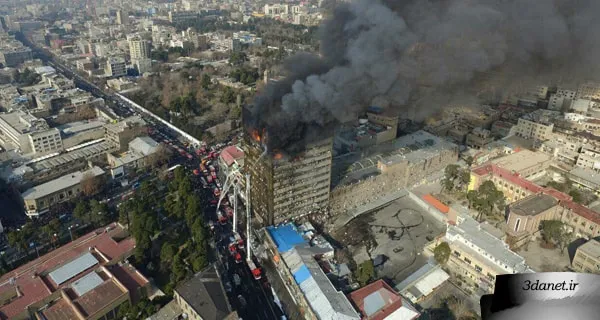
The tragic and distressing Plasco building disaster meant that, in addition to policymakers—who have always been the target of criticism and attacks from political factions and society—individuals and social groups also came under scrutiny and were subjected to criticism and abuse from a large segment of society for their behavior. Labels such as “phone-wielding killers,” “death selfies,” or hashtags like #LetsNotTakeSelfiesWithBitterness are examples of the multitude of terms used against such destructive activities. These analyses and writings, sometimes superficial and at other times deep and philosophical, resonate with the ideas of thinkers such as Mostafa Malekian and Mohsen Renani, who today, for Iran’s development, grant primacy neither to economics nor to politics, but instead speak of culture as the crucial and foundational factor in Iran’s progress. Malekian sees the duty of those with reformist thought as critiquing and judging the people’s culture, not flattering the people and attacking the government on their behalf. It is as if the modern intellectual must be like a mirror in which the individual and society behold their own ugliness and beauty.
But truly, are there no other factor or factors influencing the occurrence of such events, which are also visible daily beneath the pages of domestic and foreign artists, athletes, and politicians? Does the term “death selfies” target only the user, or is the word “selfie” itself, alongside the user, in the line of fire of criticism? To find an answer, a brief look at the evolution of the word “selfie” will be illuminating. From a historical perspective, taking a selfie dates back to 1839, when, with the aid of a tool like a mirror, an individual was able to take a picture of themselves; but with the widespread adoption of digital tools such as cameras, the widespread use of this term began on September 13, 2002, in Australia, and in late 2003, with the introduction of the Sony Ericsson Z1010 mobile phone, the concept of the front-facing camera came into existence, which caused the selfie, like the mobile phone, to become a companionable human experience. The advancement of this term in Iran has also been so rapid that the Academy of Persian Language and Literature has changed it to “khod-aks” (self-photo). Today, it seems that this technological change has also profoundly altered the Iranian individual and society.
Recently, an article was published through the efforts of the Tarjoman website with the theme that “every technological revolution is accompanied by changes in the meaning of being human,” an impactful piece that raises the question of whether mobile phones, as stated in this writing, have changed the identity of us Iranians since 2010, just as they have in other parts of the world. This question becomes more significant when we ask ourselves: Is technology one of the silent killers of our firefighters on one hand, and of our humanity on the other? Is technology the main accused, or at least one of the accused, in the emergence of such unempathetic behaviors in such incidents? Elias Canetti writes in his book Crowds and Power: “The oldest form of the crowd is the ‘crowd inciting to suicide,’ which forms for the purpose of killing. This crowd today gratifies itself by taking selfies, while cheering on the imaginary and criminal schemes of a political candidate.”
Regardless of philosophical debates concerning deterministic or constructivist views of technology, it is entirely clear that today, in a number of crises within Iran’s crisis-ridden society, technology has been or has become a destructive tool or factor. Such concerns are often raised by sociologists, philosophers, and psychologists, and even traditionalists, which have been met with a serious reaction from technocrats and economists—groups that see the construction of utopia in the rapid development and application of technology. It seems that much of these discussions revolve around the question, “What is the problem with technology?”
اما با ظهور هرچه بیشتر فناوریهای نوین مانند فناوریهای ارتباطی و اطلاعاتی و پس از برگزاری کنفرانسی در سال 2011 در کالیفرنیا با عنوان "کاربرد فناوری واقعیت مجازی در پزشکی" تمرکز این سوال از نقاط تاریک و منفی به نقطه مثبت آن تغییر یافت یعنی "حسن فناوری چیست؟" این سوال در ادامه هسته اصلی رویکردی نوین به نام "فناوری مثبت" را شکل داد که در صدد است با نگاهی علمی و کاربردی به بهبود کیفیت تجربه شخصی افراد بپردازد. مبنای توسعه این نوع از فناوریها روانشناسی مثبت میباشد که در صدد آن است كه زندگی لذتبخش، درگیرانه و معنادار را برای انسان فراهم نماید. این شاخه از روانشناسی به دنبال شکوفایی و ایجاد حس بهروزی در انسانها و جوامع است که 5 عامل را در این زمینه موثر میداند: هیجانات مثبت، غرقه شدن در کار، روابط مثبت، معناداری و دستاورد یا موفقیت. بر همین اساس فناوری مثبت در صدد است که شرایط سه عامل اول یعنی هیجانات مثبت، غرقه شدن در کارها و فعالیتهای روزانه و ارتباطات مثبت را در فرد بهبود بخشد.
با تمركز بر عامل سوم یعنی برخورداری از روابط مثبت نیاز است که افراد یک جامعه علاوه بر اینکه به اهداف جمعی میاندیشند، مشارکت و حضور اجتماعی داشته باشند و رفتاری همدلانه را از خود بروز دهند. اما چگونه فناوریهای نوظهور میتوانند به بهبود چنین مفاهیم عمیقی که از درون انسانها میجوشد کمک نمایند؟ چندی پیش کریس میلک دو سخنرانی تاثیرگذار در موسسه تد انجام داده است که میتواند نمونه كاربردی و موثری باشد. وی که عمر حرفهای خود را صرف استفاده از فناوریهای رسانهای در ایجاد حس همدلی در جوامع کرده است از ویژگیهای منحصر به فرد فناوری واقعیت مجازی و تجربیات حرفهای خود در ایجاد تغییرات مهم و پایدار درونی در انسانها میپردازد. ویژگیهایی که باعث میشود فرد با استفاده از این فناوری حس حضور در شرایطی واقعی را تجربه کند و حتی با افراد آسیب دیده مانند پناهجویان سوری زندگی مجازی داشته باشد و نبود این حس واقعی، نقصانی است که امروز در بسیاری از رسانهها و فناوریهای موجود، وجود دارد. او معتقد است هر انسانی روی زمین باید از طریق این فناوری حس همدلی را تجربه کند تا بتواند آن را درونی کرده و به عنوان یك انسان به یک ارتباط واقعی اجتماعی و تعاملی دست بزند. بسیاری از فیلسوفان اخلاق نبود توانایی تخیل را عامل اصلی بسیاری از بی اخلاقیها و بیتفاوتیها میدانند. رویکرد فناروی مثبت با کمک ابزارهایی مانند واقعیت مجازی قادر خواهند بود توانایی تخیل را در انسانها ایجاد نموده و رفتار همدلانه را در آنها تقویت نماید.
با تعریف رویکرد فناوری مثبت و نقش آن در ایجاد تعاملات اجتماعی مناسب، سوال اینجاست که در بحرانی مانند حادثه پلاسکو که مشارکت افراد در جهت اهداف جمعی و بروز رفتارهای همدلانه از ملزومات حیاتی مدیریت آن است، آیا اساساً استفاده از فناوریهایی مانند گوشیهای هوشمند و شبکههای اجتماعی در ایران بر خلاف یا هم راستا با این رویکرد عمل میکنند؟ آیا این فناوریهای فردی و اجتماعی در ایران امروز باعث شده است كه مفهوم اجتماع صرفا به تودهای نامتمایز از افراد كه به هم فشرده شده تنزل یابد، كه حریم شخصی یكدیگر را زیر پا میگذارند و این خودهای به هم پیوسته با اهداف و نیازهای جمعی بیگانه هستند؟ در همین راستا به نظر میرسد که امروز بیش از هر زمان دیگری خلأ تحلیلها و نظرات واقعی متخصصان و اندیشمندان حوزه علم و فناوری حس میشود. چالشی که اندیشمندانی از حوزههایی مانند جامعهشناسی، فلسفه، روانشناسی و ... سعی در پاسخ به آن هستند اما بدون اینکه گفتگویی دیالیکتیکی میان اندیشمندان این حوزهها و فنسالاران شکل گیرد، بسیاری از چنین تناقضات فرهنگی و اجتماعی كه فناوری در ایجاد آنها نقش حیاتی دارد، همچنان بدون پاسخ باقی خواهند ماند.
.
.
تناقض نفوذ فناوری و حادثه ساختمان پلاسکو
بهروز نوری (پژوهشگر تعاملات انسان و فناوری)
.
.


Discussion0 comments
No comments yet; let yours be the first voice.