Philosophy
The Three Phases of Those Who Seek to Reduce the Suffering of Others, Mostafa Malekian
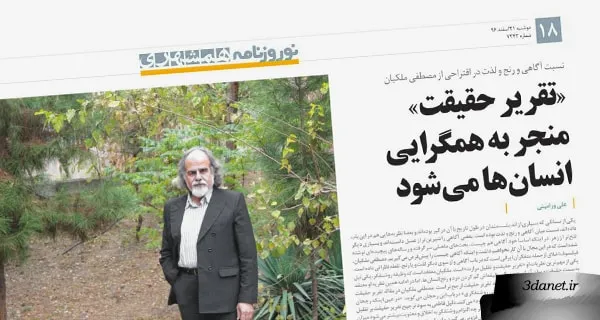
Mostafa Malekian sees the alleviation of others' pain and suffering as having three phases: justice, benevolence, and love. In his view, beyond justice and benevolence, loving others also has a decisive impact on reducing human beings' spiritual afflictions.
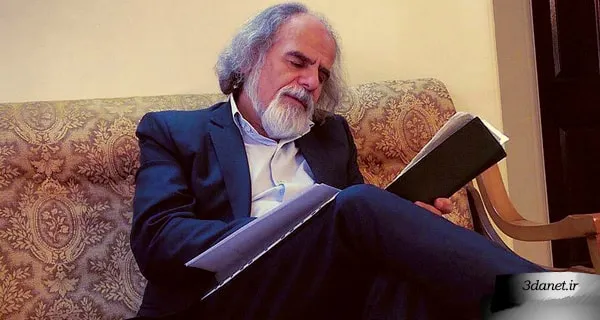
Mostafa Malekian: Those who seek to reduce the pain and suffering of others go through three phases...
The first phase is the phase of justice, meaning the primary duty of those who want to reduce the pain and suffering of human beings is to be just in practice and to act justly. The next phase, when a person grows inwardly by one degree, is reaching the stage of benevolence. In justice, I do not violate your rights; in benevolence, I forgo what is my own right for your sake. But there are those, though few, who also reach the third phase, which is the phase of love, and love is different from justice and benevolence. Love means that not only do I give you your rights and not only do I forgo my own rights and, so to speak, add to you at the cost of diminishing myself—which is benevolence—no, I actually become interested in you, I come to love you. And these two are very different. It is much easier to act justly than to act benevolently; benevolence is far more difficult than justice, but of course, it comes after justice, and love is again far more difficult than benevolence. Love means that I also love you. I may act justly toward you and even show benevolence, but I may not be able to love you. This existential capacity for loving rarely becomes actualized in human beings. For example, consider a very humane and conscientious surgeon. Since we have assumed they are a conscientious person, they certainly will not commit the slightest negligence, carelessness, or dereliction in the operating room. But in your opinion, while in the area of justice and benevolence, they make no distinction among all those in the operating room—since we assumed they are a very conscientious person—what difference is there in this doctor's state when operating on their own child versus operating on a stranger? In their justice, there is no difference; in their benevolence, there is no difference; but in their love, there is a difference. That is, now, toward this person lying on the bed under anesthesia, they feel a love inside that they did not feel toward the patient who was on the bed two hours ago. Even though not feeling that love does not cause them to fall short one bit in benevolence; they show equal benevolence to both and apply equal justice to both. Few are the human beings who also reach the third stage, who also love people, meaning just as they love their own child, they also love the neighbor's child. Just as they love their spouse, brother, and sister, they love everyone. This universal love, this universal affection, is realized in very rare individuals, for instance, in our own time, someone like Gandhi. This requires a very high capacity. Therefore, I say that the relationship of reducing the pain and suffering of others to justice is that justice is the first phase of this journey, the next phase being benevolence, and the phase after that being love.
Now a question might arise for you. You might say that we understand how justice reduces the pain and suffering of others, and how benevolence reduces the pain and suffering of others, but we do not understand how love reduces the pain and suffering of others. That is, when I act justly toward you, your life's pain and suffering are certainly reduced. If I show benevolence, again your pain and suffering are reduced. But when I inwardly have affection and love for you, how does that reduce your pain and suffering? Does that also have an effect? Yes, in two branches of modern science, one in the branch of parapsychology (psychical research) and another in a section called social psychology, there have been discussions that the very act of my loving someone can have decisive effects in reducing that person's spiritual pains.
.
.
Mostafa Malekian: The Three Phases Those Who Seek to Reduce the Suffering of Others Go Through
Source: Mostafa Malekian, Traditionalism, Modernism, Postmodernism, Session 7
.
.


Discussion2 comments
سلام ، با خواندن مطلب فوق (سه مرحله ی مختلف در کاستن از درد و رنج دیگران ) این سوال برایم پیش آمد که اگر کسی از درد و رنج دیگران یعنی افرادی که با آنها حتی آشنایی اجمالی هم ندارد ناراحت باشد ولی دستش از عدالت ورزی و احسان کردن به آنها هم بنا به شرایط مختلف کوتاه باشد آیا همین غصه دار بودن از رنج دیگری میتواند تاثیری در کاهش رنج او داشته باشد ؟ رنج بردن از ناراحتی دیگران در بین انسانها امری طبیعی است اما در بین عموم چنین شایع است که غصه خوردن برای دیگری دردی از او درمان نمیکند ، از حیث علمی اثری دارد یا نه ؟
اگر فرض را بر این بگیریم که عارفان، پاک ترین و بی شائبه ترین انسان ها هستند، ممکن است نتیجه بگیریم که بهتر است به جای مسئولان مفسدِ سراسر جهان، عارفان را بر صدر امور بنشانیم و قدرت را به دست آنها بدهیم تا چه بسا دنیای بهتری را تجربه کنیم. ابتدای امر، شاید این کار، مناسب به نظر برسد اما با اندکی تأمل، می توان نتیجه گرفت که این کار چندان کمکی به بهبود اوضاع نخواهد کرد: یک عارف: 1- به دنبال تفسیر جهان بر اساس یگانه انگاری و وحدت است و دائماً از عوالمی سخن می گوید که فراتر از ماده است. 2- به دنبال مریدانی می گردد که دائماً و بدون هیچ ایستادگی و مقاومتی، به مواعظش گوش کنند و فانی در او شوند. 3- قانع است و چندان به امور مادی و زرق و برق دنیوی توجهی ندارد. اگر مرغ گران شود، نان می خورد. اگر نان گران شود، روزه می گیرد و اصلاً در پی شکایت ورزی نیست. 4- دائماً به دنبال عروج انسان از عالم ماده به عالم ارواح است و اصلاً اهمیّتی برای سازوکارهای سکولاریزه شده و دنیوی قائل نیست. 5- تکلیف مدار است نه حق مدار؛ یعنی دائماً به دنبال ادای وظایف خویش در هستی است؛ و هرگز از هستی و دستگاه آفرینش توقعی ندارد. اگر ظلمی به او شود، به احتمال زیاد، اصلاً به ظلمی که بر او رفته است، فکر نمی کند تا چه رسد به اینکه بخواهد پیگیری کند. 6- با قانون و معیارهای خشک اداری، سر سازگاری ندارد، او تنها با دل و روح خویش عمل می کند نه با قانون و تبصره و ماده. 7- او به دنبال خلوت کردن و دوری جستن از کثرات است. موارد بالا بخشی از ویژگی های یک عارف است؛ در حالی که ویژگی های یک جایگاه سیاسی، تقریباً 100 درصد مخالف شرایط بالاست. یک سیاستمدار: 1- به دنبال اداره این جهان است، نه عروج به جهان دیگر. 2- تابع قانون و تبصره است، نه حال درونی و معراج روحانی. 3- دائماً به دنبال رابطه سازی است و بهره بردن از منافع دیگران. 4- اصلاً قانع نیست، دائماً فزون طلب است، و هرگز از حقوق خود عقب نشینی نمی کند و با تکلیف هم چندان سر سازگاری ندارد. 5- مریدپرور نیست و دائماً در معرض سؤال و استیضاح ِ مردم قرار دارد و باید به آنها، پاسخِ قانع کننده بدهد. 6- با سازوکارهای این جهان، کاملاً آشناست. از اقتصاد و فرهنگ گرفته تا امور نظامی؛ و در این راه مطالعات فراوانی دارد. 7- اصلاً به دنبال تفسیر جهان و عوالم وجودی نیست؛ او به دنبال سازماندهی جهان بر اساس معیارهای ظاهری است و حتی گاهی، امور مادی را بر امور معنوی غالب می کند. عرفان به دنبال فناست و سیاست به دنبال بقا... عرفان در قوس صعود است و سیاست در قوس نزول... عرفان به دنبال خدامحوری است و سیاست به دنبال مردم محوری. پس اگر عارفان، سیاستمدار شوند، بی شک جهان بهتری نخواهیم داشت.