Life and Thought
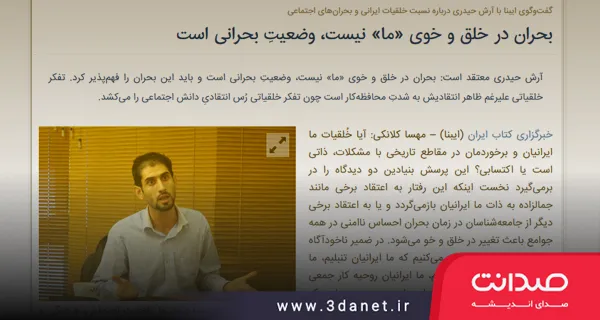
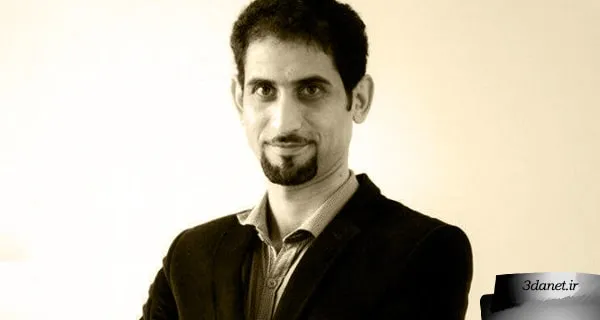
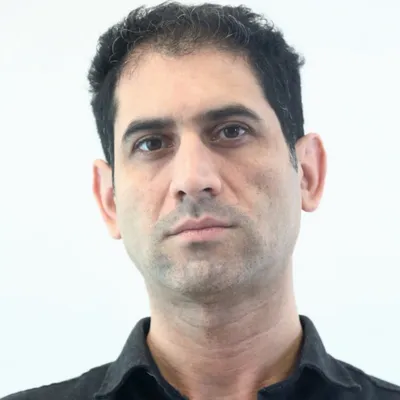
Arash Heydari, born 1983, is an Iranian cultural sociologist and researcher in the fields of social studies, contemporary history, and critical theory. He employs a genealogical approach to examine issues of power, despotism, identity, popular culture, and the relationship between the social realm and art and history.
Arash Heydari is a graduate of sociology; he received his master's degree from Shahid Chamran University of Ahvaz and his PhD in Cultural Sociology from Allameh Tabataba'i University. He has been introduced as a faculty member at the University of Science and Culture and works in the areas of cultural sociology, contemporary Iranian history, critical studies, and the genealogy of social phenomena.
In Heydari's works, history and society are examined not as a linear, fixed narrative, but as a field of forces, ruptures, representations, and mechanisms of power. He draws on concepts and methods influenced by critical theory, Michel Foucault, Louis Althusser, and cultural studies to analyze issues such as despotism, legitimacy, nouveau-riche culture, poverty, class, art, and public culture.
Among his works are "A Subversive Reading of Iranian Despotism," "The Althusser Question," "The Emergence of the Genre of Dispositions in Iran," "The Question of Science and Human Sciences in the Nasseri Era Dar ul-Funun," and "The Downtown Museum and Its Spectators." The significance of his work lies in the attempt to reread familiar concepts in Iranian history and culture from a critical, historical, and sociological perspective.
Arash Heidari on the web
Sedanet articles about Arash Heidari