Iranian thinker
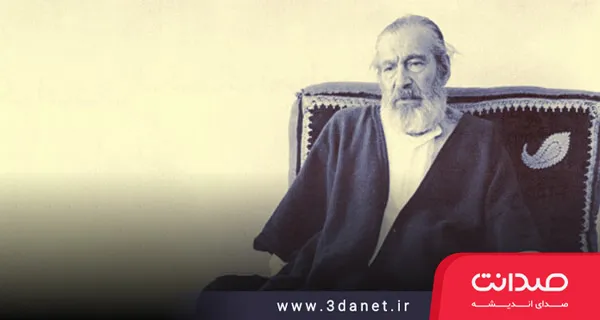
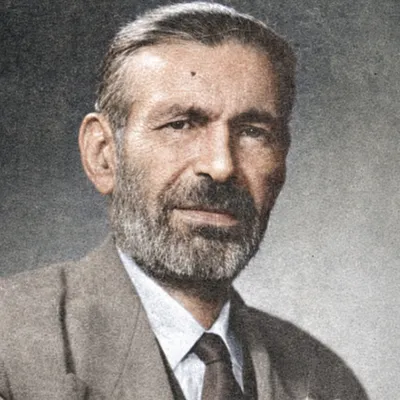
Jalaluddin Homaei
Jalaluddin HomaeiPersian Literature and Islamic MysticismIranian
Life and Thought
Jalal al-Din Homaei was a man of letters, writer, poet, historian, and distinguished professor of Persian literature in contemporary Iran. With his vast knowledge of literature, jurisprudence, philosophy, mysticism, mathematics, and the classical sciences, he is considered one of the key figures in literary education and research at the University of Tehran.
Jalal al-Din Homaei was born on January 3, 1900, in Isfahan, into a family steeped in literature and tradition. He received his early education in Persian, Arabic, the Quran, and classical texts first from his mother and father, and later from his father and uncle. He had memorized the Quran and the Alfiyya, and later became known by the pen name "Sanā" in poetry.
In his youth, Homaei attended the Haqayeq and Qodsiyyeh schools in Isfahan, and then spent about twenty years at the Nim-Avard School studying religious sciences, jurisprudence, Arabic, and philosophy. During this period, he benefited from the tutelage of masters such as Aqa Sheikh Ali Yazdi, Aqa Seyyed Mohammad Kazem Krouni Isfahani, and Aqa Seyyed Mehdi Dorche'i, reaching a level of seminary scholarship that qualified him to receive an ijaza (license to teach). His familiarity with jurisprudence, philosophy, classical astronomy, the astrolabe, and geomancy (jafr) demonstrates the rare breadth of his traditional knowledge.
Midway through his studies, he turned to teaching, instructing literature, Arabic, philosophy, and jurisprudence in Isfahan, Tabriz, and Tehran. After moving to Tehran, he taught at high schools such as Dar al-Fonun and Sharaf, and subsequently joined the University of Tehran. Homaei taught jurisprudence at the Faculty of Law for many years, and later taught literary arts at the undergraduate, master's, and doctoral levels in the Faculty of Literature.
Among his important works are "History of Iranian Literature" (Tarikh-e Adabiyat-e Iran), "Ghazali-nameh," "Khayyam-nameh," "Mowlavi-nameh," "Rhetorical Arts and Literary Devices" (Fonun-e Balaghat va Sana'at-e Adabi), "Sufism in Islam" (Tasavvof dar Islam), "History of Islamic Sciences" (Tarikh-e Olum-e Islami), "History of Isfahan" (Tarikh-e Isfahan), and the "Divan of Sana." He also contributed to the compilation of one of the volumes of the Dehkhoda Dictionary. Homaei's standing in Iranian culture is primarily due to his bridging of the literary, mystical, and educational traditions; he was both a commentator on classical texts and a teacher who nurtured generations of contemporary researchers and literary figures.
Sedanet articles about Jalaluddin Homaei