Literature
Jalal al-Din Homaei's Lecture: “What Is Rumi Saying?”
In his lecture 'What Does Rumi Say?', Professor Jalal al-Din Homaei explores themes such as predestination, free will, and divine manifestation through the lens of marmit and azarmit. Like the Masnavi itself, this audio recording offers answers that provoke new questions.

The didactic book of the Masnavi is full of question-provoking answers, as if it engages the seeker in such a way that whenever they find the answer to one question, a new window opens before them, full of wonder and fresh questions. Like nested mirrors, behind every answer, a new window and a new question. But since—pain requires a burning man, and a man must be a strider—if you are a seeker and a strider on this path, without even realizing this nature and characteristic, you will have experienced a kind of questing, loving life; this constant thirst, this yearning, is itself the cure for the pain.
He finds His light who is a flame-eater
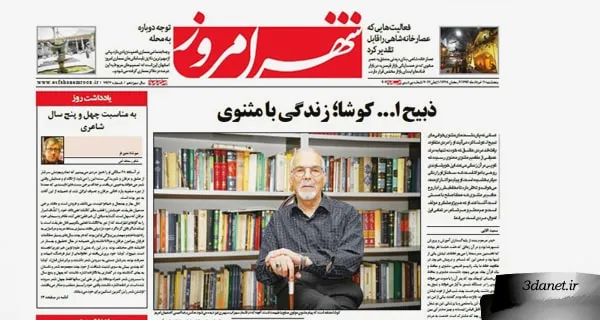
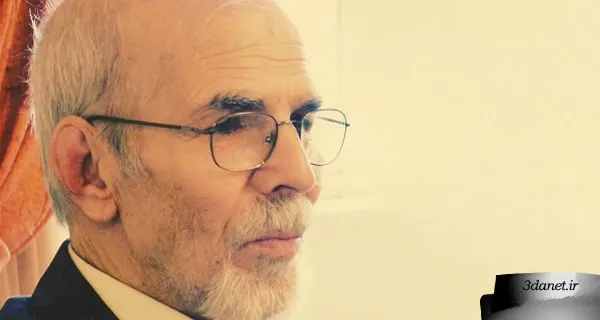
One of these flame-eaters is the master Jalal al-Din Homaei, who throughout his fruitful life left behind invaluable works, including the book “What Is Rumi Saying.” In this surviving audio file of his, while we become acquainted with his manner of speech and tone, we also hear a summary of his opinion on what Rumi is saying, on the subject of (Marammit and Azarmit), and subsequently, relying on the mentioned subject, he explains abstruse topics such as predestination and free will, and theophany. It is evident that his answers, like the very nature of the noble Masnavi, provoke new questions within us.
.
.
Audio of Jalal al-Din Homaei's lecture titled “What Is Rumi Saying”
Download from Server One | Server Two
.
.
Lecturer: Master Jalal al-Din Homaei
Subject: “What Is Rumi Saying”
Refinement and editing: Mojtaba Niazi
.
.



Discussion3 comments
بسیار لذت بردم. درود بر شما.
خیلی عالی
عالی بود مارمیت و اذا رمیت