Foreign thinker
John Hick
John HickPhilosophy of ReligionBritish1922–2012
To say that the historical Jesus of Nazareth is, without explanation, God, is as meaningless as saying that this circle drawn with a pencil on paper is also a square.

Life and Thought
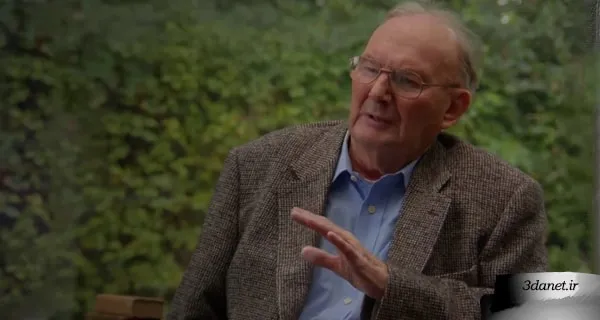
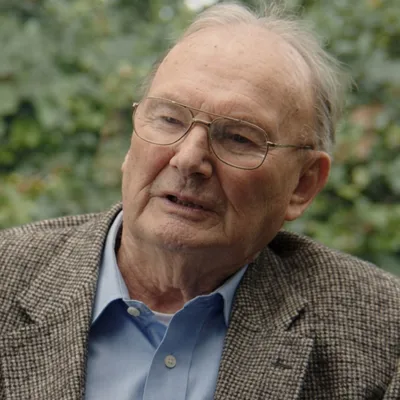
John Harwood Hick, 1922–2012, was a British philosopher of religion and one of the most important theorists of religious pluralism in contemporary philosophy. He was born in Yorkshire, initially studied law at the University of Hull, and then read philosophy at the Universities of Edinburgh and Oxford. Hick was a Protestant minister for a time and later taught philosophy of religion at the University of Birmingham and the Claremont School of Theology.
Intellectual Domains
The central focus of Hick's thought is the philosophy of religion, the problem of evil, religious epistemology, and religious pluralism. He believed that various religions are different human responses to the 'Ultimate Reality'; a concept which, in his view, can transcend the specific theological interpretation of 'God' in the Abrahamic traditions. This perspective made him one of the most influential and controversial figures in the theory of religious pluralism.
Discussions and Critiques
In his pluralistic view, Hick sought to explain the possibility of a kind of equal validity among religious traditions. This very view was a point of contention between him and thinkers such as Seyyed Hossein Nasr; Nasr considered religion to be sent by God and possessing a sacred origin, whereas Hick placed greater emphasis on the human response to transcendent reality. During Hick's trip to Iran in 2004, Ali Akbar Rashad also critiqued the foundations of his religious pluralism at a meeting at the Institute for Islamic Culture and Thought.
Bibliography
Writings and transcribed lectures8 titles
Philosophy of Religion
The Fifth Dimension: An Exploration into the Spiritual Realm
Discussions on Religious Pluralism
The Existence of God / Proving the Existence of God
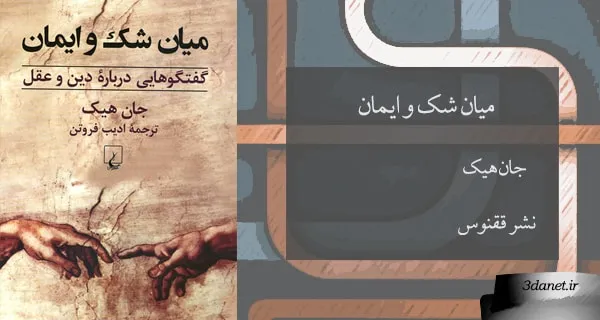
Between Doubt and Faith: Conversations on Religion and Reason
Faith and Knowledge: Understanding the Philosophy of Religion
Controversial Issues in Theology and Philosophy of Religion
An Interpretation of Religion: Human Responses to the Transcendent