Foreign thinker
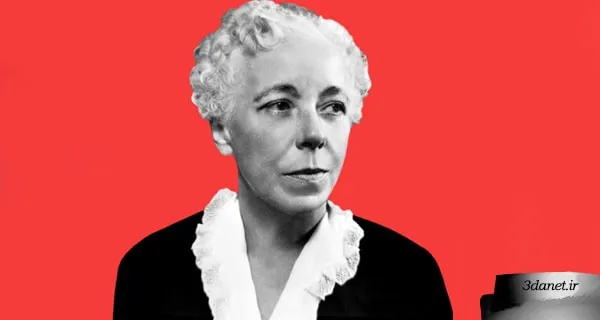
Karen Horney
Karen HorneyPsychoanalysis and the Psychology of WomenGerman-American1885–1952
If you want to be proud of yourself, do things you can be proud of.
In their times
Open in the Timeline of ThoughtLife and Thought
Karen Horney (1885–1952) was a German-born American psychoanalyst who, by critiquing Freud's theories and emphasizing the role of culture and environment in personality formation, is considered one of the pioneers of the psychology of women and neo-Freudian theory. She introduced the concept of "basic anxiety" and neurotic needs, and stressed the possibility of self-analysis and personality growth. Her works have had a profound impact on contemporary psychoanalysis.
Karen Danielsen was born on September 16, 1885, in Blankenese, near Hamburg, Germany. She was one of the first German women to enter medical school and received her medical degree from the University of Berlin in 1911. After marrying Oskar Horney, she became interested in psychoanalysis and trained under Karl Abraham. From 1920, she taught at the Berlin Psychoanalytic Institute.
She emigrated to the United States in 1932, working first in Chicago and then in New York. Criticizing Freud's theory of penis envy, Horney redefined the psychology of women based on cultural and social factors and introduced the concept of "womb envy." She believed that psychological differences between men and women were rooted more in social structures than in biology.
Her most important works include "The Neurotic Personality of Our Time," "New Ways in Psychoanalysis," "Self-Analysis," "Our Inner Conflicts," and "Neurosis and Human Growth." In these works, she viewed basic anxiety as the result of disturbed childhood relationships and described ten neurotic needs. Horney also emphasized the importance of self-knowledge and the possibility of personality change throughout one's life. She died on December 4, 1952, in New York.