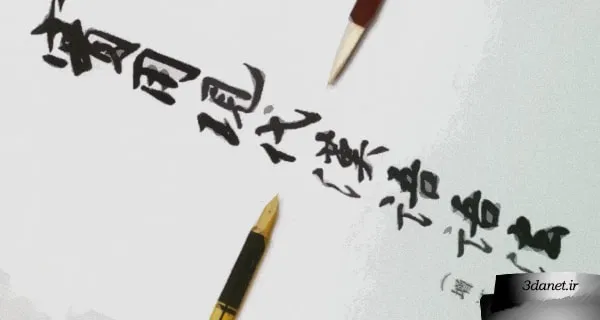
The way that can be spoken of is not the eternal way.


Life and Thought
Laozi (Lao Tzu) is an ancient Chinese philosopher and sage recognized as the founder of Daoism. The famous book 'Tao Te Ching' is attributed to him, and his ideas have had a profound influence on Chinese philosophy, religion, and culture.
Laozi (meaning 'Old Master') is a semi-legendary figure in the history of Chinese philosophy who likely lived in the 6th century BCE. Precise historical information about his life is scarce, and many accounts are mythological in nature.
He is considered the author of the 'Tao Te Ching,' a short yet highly influential work that articulates the fundamental concepts of the Dao (the Way), Wu Wei (non-coercive action), and harmony with nature. Laozi's thought emphasizes simplicity, humility, refraining from forceful intervention, and following the natural course of things.
The Daoist tradition, which formed on the basis of his teachings, became one of the major intellectual and spiritual currents in China, leaving a lasting impact on Chinese literature, art, traditional medicine, and politics.
Bibliography
Writings and transcribed lectures1 title
Tao Te Ching