Foreign thinker
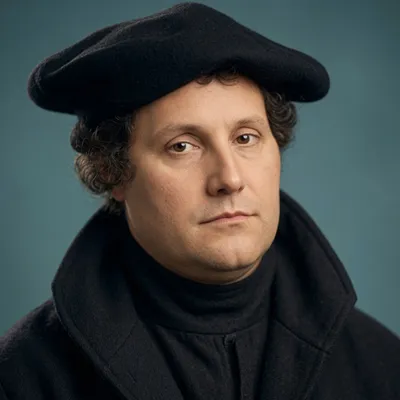
Martin Luther
Martin LutherChristian Theology, Religious Reformation, and Philosophy of ReligionGerman
Everything that is done in this world is done by hope.
Life and Thought
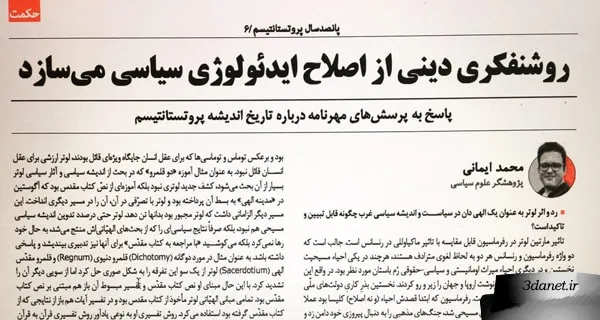
Martin Luther (1483–1546) was a German priest, theologian, and university professor who initiated the Protestant Reformation with the publication of his Ninety-five Theses. By criticizing the authority of the Catholic Church and the sale of indulgences, he brought about a profound transformation in the religious, political, and cultural history of Europe.
Martin Luther was born in 1483 in Eisleben, Germany. He initially studied law, but after profound spiritual experiences, he changed the course of his life and joined the Augustinian monastery. He studied and taught theology at the University of Wittenberg, attaining the rank of professor.
Luther's primary concern was the question of human salvation and redemption. In 1517, by posting his Ninety-five Theses on the door of the Wittenberg church, he formally protested the sale of indulgences by the Catholic Church. This act became a turning point in European history and led to the formation of the Protestant movement. Luther emphasized key doctrines such as 'justification by faith alone' (Sola Fide) and 'scripture alone' (Sola Scriptura), and questioned the absolute authority of the Pope.
One of his most enduring achievements was the translation of the Bible into German, which not only made the sacred text accessible to the general public but also laid the foundation and model for modern literary German. Luther's works and ideas completely transformed the religious and social structure of the West and paved the way for profound developments in the Enlightenment and the modern world. He eventually died in 1546.


.webp)