Foreign thinker
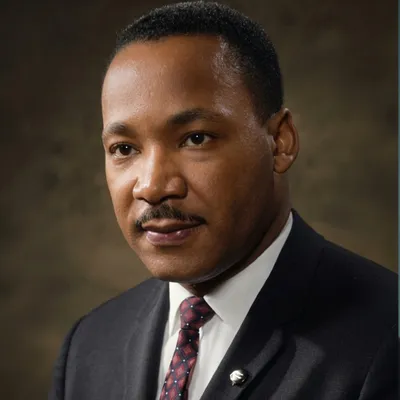
Martin Luther King Jr
Martin Luther King JrCivil Rights, Social Ethics, and Nonviolent StruggleAmerican
Darkness cannot drive out darkness; only light can do that. Hate cannot drive out hate; only love can do that.
Life and Thought
Martin Luther King Jr. (1929–1968) was a Baptist minister, civil rights activist, and leader of the Black civil rights movement in the United States. Drawing on nonviolent struggle and civil disobedience, he played an unparalleled role in abolishing racial segregation laws and was awarded the Nobel Peace Prize.
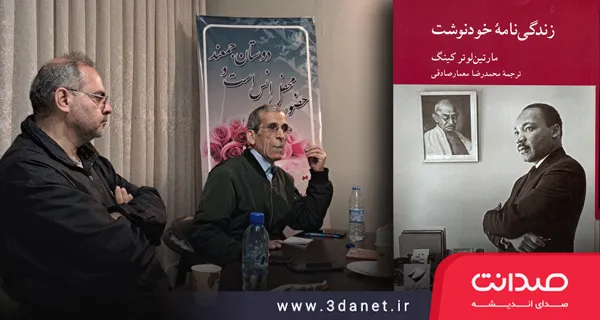
Martin Luther King Jr. was born in 1929 in Atlanta, Georgia. After studying theology and earning his doctorate from Boston University, he entered religious and social service as a minister. Influenced by Christian teachings and Mahatma Gandhi's philosophy of nonviolence, he organized the struggle against racial discrimination and structural inequality in America.
King's global fame began after he led the Montgomery bus boycott in 1955. At the historic March on Washington in 1963, he delivered his renowned "I Have a Dream" speech, which became one of the most influential orations in modern history in defense of freedom, justice, and human equality. His sustained efforts led to the passage of the landmark Civil Rights Act (1964) and Voting Rights Act (1965) in the United States.
Beyond combating racism, King critiqued poverty and opposed war (especially the Vietnam War), emphasizing the link between economic justice and social ethics. He received the Nobel Peace Prize in 1964 and was ultimately assassinated and martyred on April 4, 1968, in Memphis, Tennessee.