Foreign thinker
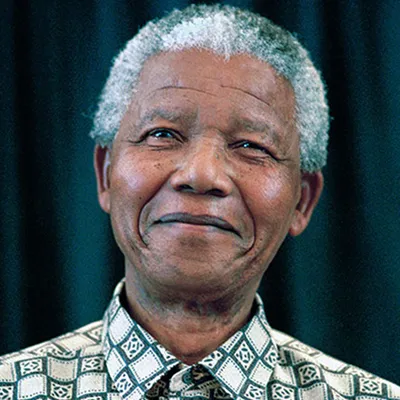
Nelson Mandela
Nelson MandelaAnti-apartheid struggle, human rightsSouth African
Education is the most powerful weapon which you can use to change the world.
Life and Thought
Nelson Mandela (1918–2013) was the leader of the anti-apartheid movement, the first Black president of South Africa, and a Nobel Peace Prize laureate. He is recognized as a global symbol of the struggle against racial discrimination, national reconciliation, and forgiveness.
Nelson Rolihlahla Mandela was born in 1918 in the village of Mvezo in South Africa. He studied law and began his career as one of the first Black lawyers in Johannesburg. From his youth, Mandela joined the African National Congress (ANC) and gradually became one of the leading figures in the struggle against the racist apartheid regime and its discriminatory laws.
He was arrested in 1962 and sentenced to life imprisonment at the famous Rivonia Trial. Mandela spent 27 years of his life in prison (notably on Robben Island), but his endurance in prison and steadfast adherence to moral principles turned him into an international symbol of resistance and freedom. Following international pressure and popular struggles, he was finally released in 1990 and, instead of seeking revenge, pursued a path of dialogue, national reconciliation, and peaceful transition to democracy.
Mandela received the Nobel Peace Prize in 1993 and became president in 1994 in South Africa's first fully multiracial, democratic election. His autobiography, titled "Long Walk to Freedom," is one of the most important historical documents of the struggle for human rights. After one presidential term, he stepped down from power and spent the rest of his life engaged in humanitarian work and global peace efforts until his death in 2013.

.webp)
.webp)