Iranian thinker
Nasser Fakouhi
Nasser FakouhiUrban and Cultural AnthropologyIranian
The more fear, compulsion, pressure, force and punishment exist in a society, the more certain we can be that that society is less ethical; and the more freedom, justice, moderation, honesty, purity and voluntary truthfulness—not out of fear—exist, the more certain we can be that that society is more ethical and more religious.
Life and Thought
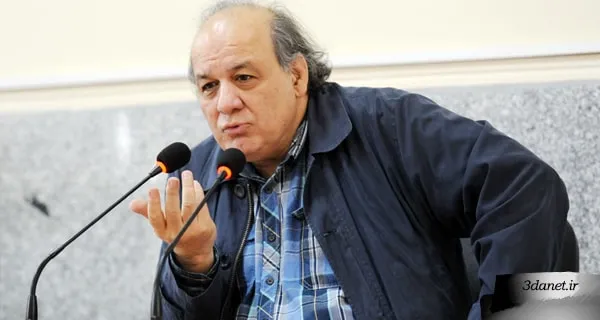
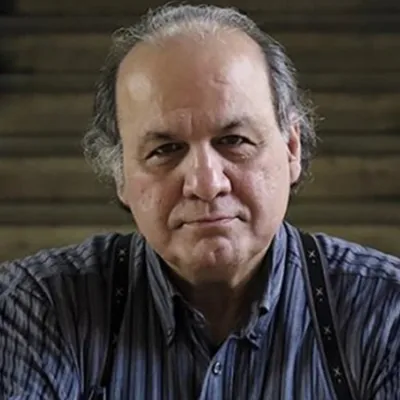
Nasser Fakouhi is an anthropologist, professor at the University of Tehran, and founder of the Institute of Anthropology and Culture. He specializes in cultural pathology, urban identity issues, and the cultural history of modern Iran, and has published extensively in these fields.
Nasser Fakouhi was born on 13 May 1956 in Tehran. After obtaining his high school diploma in 1974, he went to England for further studies and from 1975 continued in France, first at the École des Beaux-Arts in Paris in architecture and then at the University of Paris VIII in the social sciences. He earned bachelor’s and master’s degrees in sociology and completed his doctorate in sociology and political anthropology in 1994 with a thesis on modern Iranian political mythology, supervised by Pierre-Philippe Rey and Clarisse Herrenschmidt.
After returning to Iran and having his thesis approved, he began teaching in the Department of Anthropology at the Faculty of Social Sciences, University of Tehran, in 1998 and rose to the rank of full professor. Fakouhi specializes in cultural problems and pathologies, the pathology of modern cities, and new urban identities. He has written numerous books and articles in Persian and international languages, published in journals such as American Anthropologist and Le Monde diplomatique. He has pursued a major project on the cultural history of modern Iran from the Constitutional Revolution to the present and is the founder and director of the Institute of Anthropology and Culture.