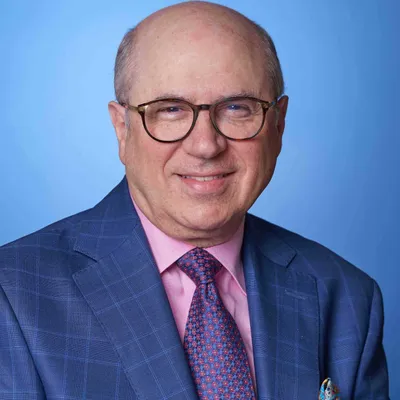
Foreign thinker
Vincenzo Di Nicola
Vincenzo Di NicolaSocial Psychiatry and Philosophy of PsychiatryItalian-Canadian
Life and Thought
Vincenzo Di Nicola is a child and adolescent psychiatrist, family therapist, researcher in the philosophy of psychiatry, and full clinical professor of psychiatry at the University of Montreal. He is particularly known for his work in cultural psychiatry, social psychiatry, cultural family therapy, trauma, and the relationship of psychiatry with the humanities and philosophy.
Vincenzo Di Nicola was born in Italy in 1953 and later grew up and studied in Canada. He trained in psychology, medicine, psychiatry, and philosophy, and this interdisciplinary path shaped the main direction of his intellectual and clinical work. Di Nicola is a full clinical professor in the Department of Psychiatry and Addiction at the University of Montreal and a clinical professor of psychiatry at George Washington University.
His main areas of activity are child and adolescent psychiatry, family therapy, social and cultural psychiatry, global mental health, and the study of trauma. Drawing on the experience of migration, culture, language, and family, he has developed a model called "cultural family therapy"; a model that seeks to understand the psychological suffering of children and families within the context of culture, migration, language, and social relations.
Alongside his clinical work, Di Nicola pays special attention to the link between psychiatry and philosophy and the humanities. His research references thinkers such as Alain Badiou, Giorgio Agamben, and other contemporary philosophers, and he has sought to apply concepts such as event, trauma, society, and culture in rethinking psychiatry. His philosophical treatise titled "Trauma and Event" lies within this same horizon.
Among his well-known works are "A Stranger in the Family: Culture, Families, and Therapy" and "Letters to a Young Therapist." He has also been active in professional bodies of social and cultural psychiatry and served as President of the World Association of Social Psychiatry for the 2022–2025 term. Di Nicola's significance lies in the fact that he does not see psychiatry merely as a medical science, but understands it in relation to culture, family, language, migration, politics, and philosophy.