Iranian thinker
Azarakhsh Mokri
Azarakhsh MokriPsychiatryIranianb. 1964
Addiction should be understood through science, not moral judgment.


Life and Thought
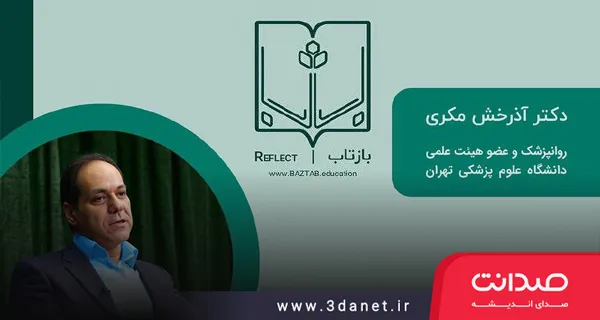
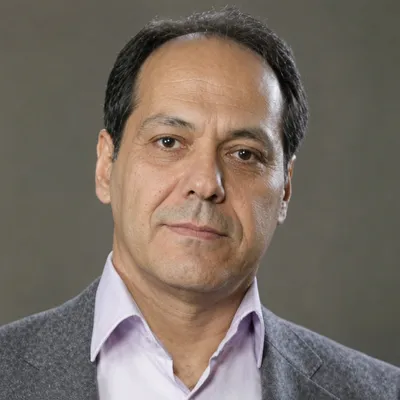
Azarakhsh Mokri (born 1968) is an Iranian psychiatrist and faculty member at Tehran University of Medical Sciences. He works in addiction treatment, cognitive science, and science communication, and has received the Cheragh Science Communication Award.
Azarakhsh Mokri, born in Tehran in 1968, is an Iranian psychiatrist known for his work in addiction treatment, psychiatric education, and science communication. He is a faculty member in the Department of Psychiatry at Tehran University of Medical Sciences, affiliated with Roozbeh Hospital and the Iranian National Center for Addiction Studies. The university lists him as an associate professor of psychiatry.
Mokri completed his primary education in Arlington and his secondary education in Iran. He graduated from the psychiatry residency program at Tehran University of Medical Sciences in 1997 and subsequently pursued teaching, clinical practice, and research in psychiatry, addiction, and the reduction of high-risk behaviors. He has also served as deputy for education at the Iranian National Center for Addiction Studies and has participated in addiction treatment programs.
A significant part of his professional career has focused on treating substance use disorders, training therapists, and promoting a scientific understanding of addiction. He has contributed to the development of specialized addiction treatment services in academic and hospital settings. Alongside his clinical work, he has trained psychiatry residents and educated the public about the brain, decision-making, addiction, emotions, and cognitive biases.
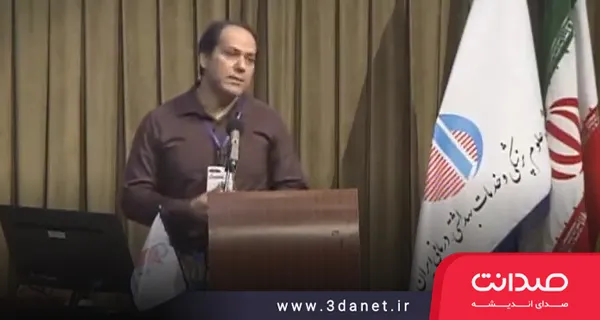
Mokri’s public reputation extends beyond clinical and academic circles. His lectures, educational recordings, and courses on cognitive science, psychology, addiction, and human behavior have attracted a wide audience. In 2022–23, he received the Cheragh Science Communication Award in the “Science-Promoting Scholar” category for his contribution to making scientific knowledge accessible to the public.
Overall, Mokri’s intellectual and educational project connects clinical psychiatry, addiction treatment, cognitive science, and public education. He seeks to explain complex ideas from psychology and neuroscience in accessible language and to foster a more scientific and ethical understanding of addiction, willpower, motivation, decision-making, and mental disorders.
Bibliography
Writings and transcribed lectures5 titles
The Tale of Kaleh Pacheh, Cream Puffs, and Addiction!
Introduction to Methadone Maintenance Treatment
Ending Methadone Maintenance Treatment in Opioid-Dependent Individuals: A Practical Guide for Therapists
What is maintenance therapy? And how does it work?
The Book of Psychological Treatment Exercises for Stimulant Substances