Lecture
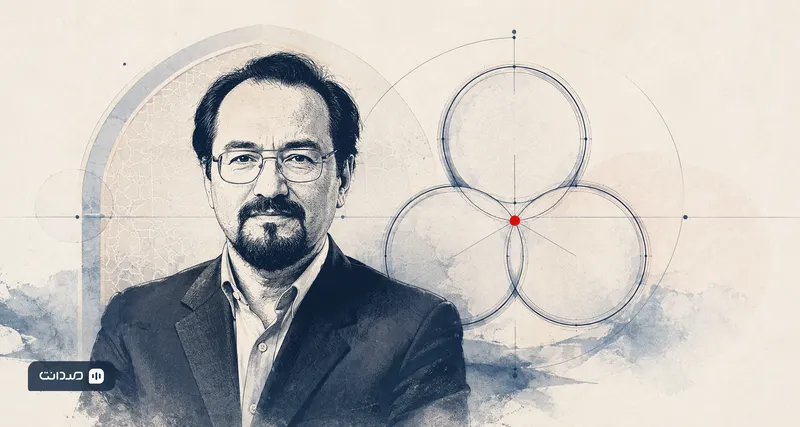
Identical Evidence, Divergent Beliefs; Mahmoud Morvarid
This lecture addresses the problem of "reasonable disagreement" in contemporary epistemology. Mahmoud Morvarid examines the relationship between identical evidence, divergent beliefs, and the "Uniqueness" principle in the discussion of the rationality of belief.
About this video
In this video, Mahmoud Morvarid addresses one of the important debates in contemporary epistemology: can two individuals with similar epistemic abilities and identical evidence rationally arrive at different doxastic conclusions? This question lies at the heart of the topic of "reasonable disagreement" and relates to the issue of revising one's belief when faced with epistemic opposition.
The central focus of the lecture is the "Uniqueness" principle; a principle stating that a body of evidence concerning a proposition justifies only one epistemic stance. If this principle is accepted, disagreement among epistemic peers creates greater pressure to revise one's belief; but if we do not accept it, the possibility of rationally persisting in one's own stance remains open in some cases.
In this session, after referring to Thomas Kelly's discussions critiquing the Uniqueness principle, Morvarid addresses Roger White's arguments in defense of this principle. This lecture is suitable for those interested in epistemology, analytic philosophy, the rationality of belief, and the problem of philosophical disagreement.