Philosophy
What is the significance of Kant's conceptual geography for analytic philosophy?
The book Kant's Conceptual Geography draws on Sellars and Ryle to elucidate Kant's significance for analytic philosophy. The translated chapter shows how Kantian conceptual mapping illuminates epistemology and metaphysics.
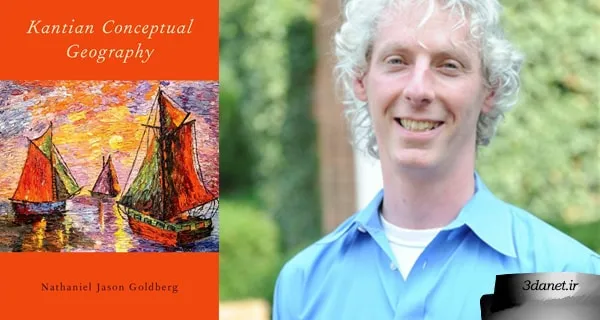
"Kant's Conceptual Geography" is the title of a book I am currently reading. This book has had a significant impact on my understanding of Kant's influence on analytic philosophy. The author of the book is Professor Nathaniel Jason Goldberg, a professor of philosophy at Washington and Lee University. His main specialty is research into the common grounds of epistemology, philosophy of language, metaphysics, and their intersections with the philosophy of mind and the philosophy of science. He also has a great interest in researching Kant and the influence that Kant, through the Critique of Pure Reason, has had on analytic philosophers after him. In this book, by presenting six reasons, he explains well why Kant is important for analytic philosophy. This book was published in 2015 by Oxford University Press. What follows is a translation of a section from the first chapter of the book; this section can, in addition to familiarizing the reader with the main goals of the book, answer this important question: What is the significance of engaging with Kant's conceptual geography for analytic philosophy?
What is the significance of Kant's conceptual geography for analytic philosophy?
(An introduction to the book Kant's Conceptual Geography, along with a translation of a section from the first chapter)
Mohammad Reza Vaez Shahrestani[1]
"Kant's Conceptual Geography"[2] is the title of a book I am currently reading. This book has had a significant impact on my understanding of Kant's influence on analytic philosophy. The author of the book is Professor Nathaniel Jason Goldberg[3], a professor of philosophy at Washington and Lee University. His main specialty is research into the common grounds of epistemology, philosophy of language, metaphysics, and their intersections with the philosophy of mind and the philosophy of science. He also has a great interest in researching Kant and the influence that Kant, through the Critique of Pure Reason, has had on analytic philosophers after him. In this book, by presenting six reasons, he explains well why Kant is important for analytic philosophy. This book was published in 2015 by Oxford University Press. What follows is a translation of a section from the first chapter of the book; this section can, in addition to familiarizing the reader with the main goals of the book, answer this important question: What is the significance of engaging with Kant's conceptual geography for analytic philosophy?
Philosophers, in many cases, look somewhat bad. Our results, even if derived from valid reasons, are often hard to believe. Our efforts in empirical matters throughout history have either been invalidated or considered utterly laughable. Our successive attempts to put an end to philosophical problems, if not philosophy itself, have all been unsuccessful. (For this last point, perhaps at least we whose profession is philosophizing should be grateful.)
But philosophers do not look particularly bad in two specific things. The first is using the history of philosophy to better understand contemporary philosophical views; as Wilfrid Sellars[4] states:
The history of philosophy is the international language that makes communication[5] among philosophers possible, at least from different points of view. Philosophy, without considering the history of philosophy, if not empty or blind, will at least be mute.[6]
In this book, I will draw on the history of philosophy, and especially Immanuel Kant’s Critique of Pure Reason (1787/1998), to illuminate issues in analytic epistemology, philosophy of language, and metaphysics. Kant is a foundational figure in the Western tradition over the last several centuries. He, especially in the Critique of Pure Reason, synthesized the views of his early modern predecessors (the rationalists and the empiricists) and defined much of the agenda for posterity in the nineteenth, twentieth, and twenty-first centuries (idealist, pragmatist, neo-Kantian, analytic, and continental). To this day, epistemologists, philosophers of language, and metaphysicians have been occupied with issues that are ineradicably framed by Kant. Moreover, even when Kant did not frame them himself, his conceptual resources are equally sufficient for illuminating them. In this context, the phrase is attributed to Otto Liebmann[7]: “One can philosophize for or against Kant, but no one can philosophize without taking Kant into account.”
Thus, if I build my discussion of contemporary debates on an interpretation of Kant, it is because, on the one hand, there is a close parallel between the problems Kant faces and the steps he takes to solve them, and, on the other hand, the recent situation and its demands prove useful, as it uses Kant as a mediator[8] for communication; though certainly not as a mere mediator.
In this book, my project is not the same as Sellars’s; in other words, my discussion of contemporary debates based on an interpretation of Kant is not as thick with Kantian foundations as Sellars’s is. Nor are the problems, situation, and demands Sellars speaks of my target. That said, like Sellars, I will use Kant as a mediator for communication. Though certainly not as a mere mediator, just as Sellars certainly does not use Kant as a mere mediator.
The second thing that philosophers do not look too bad in is engaging in what I call “conceptual geography.”[9] What I mean by this term is roughly what Gilbert Ryle[10] means by the term “logical geography.”[11] (1949/2000, p. 7) Ryle explains: “Many people,” and I specify even many philosophers, “…know how to operate with concepts through practice and drill, especially in fields familiar to them… They are like people who know their way about their own parish, but,” Ryle continues, they “cannot draw or read a map of it, still less of the country or continent in which their parish lies” (pp. 7-8). Ryle sees us philosophers as conceptual geographers, that is, people who explore and survey how concepts relate to one another and to the wider conceptual world,[12] and draw its map.[13][14]
My aim in this book is to merge the methods of Sellars and Ryle in order to gain a better understanding of many concepts and debates in epistemology, philosophy of language, and metaphysics. Following Ryle, engaging in conceptual geography illuminates not only the way around our parish [in the allegorical sense], but also the way around our country and continent. Also, following Sellars, engaging in conceptual geography will be Kantian; that is, the conceptual connections in question will be explored, surveyed, and mapped by employing ideas from Kant. As a result, by speaking the international language of philosophy with a Kantian accent, we will learn our way around our conceptual continent.[15]
حال بگذارید صریح بگویم. اگرچه ]در این کتاب[ برخی از آموزههای کانت را در نظر میگیرم، اما در حال قلم زدن در پروژۀ تحقیقاتی کانت نیستم.[16] استدلال نمیکنم که همواره ارتباطات تاریخی روشنی میان ادعاهای کانت و آنچه من تحت عنوان ادعاهای مختلف "کانتی"[17] میشناسم، وجود دارند، اگرچه در مواردی که چنین ارتباطاتی وجود دارند، آنها را ذکر خواهم کرد. تلاش نمیکنم که صدق ادعاهای خاصی را نشان دهم، اگرچه از ادعاهایی که از کانت وام گرفته شدهاند دفاع میکنم و هنگامی که شواهدی وجود دارد که ارجحیت یک دیدگاه کانتی نسبت به یک دیدگاه غیرکانتی را نشان میدهد، از بیان آن دریغ نمیورزم. [18] در عوض، درکتاب جغرافیای مفهومی کانت، غرق در جغرافیای مفهومی کانتی هستم: کندوکاو ارتباطات مفهومی در میان مباحث بسیار از طریق توسل به ابزارهای کانتی.
مشغولیت در جغرافیای مفهومی کانتی به شش دلیل برای فلسفۀ تحلیلی از اهمیت بهسزایی برخوردار است. اول و بیش از همه، به دلیل ترسیم نقشه، به شیوهای اطلاعدهنده و اغلب غیرمنتظره، از موضوعاتی که خود از اهمیت بسیاری برای فیلسوفان تحلیلی برخوردارند. این موضوعات عبارتند از ماهیت مفاهیمی چون ذهنی[19]، عینی[20] و تجربی[21]؛ قلمروهای بالقوۀ[22] ذهنی؛ آنچه دربارۀ واقعیت مستقل از ذهن[23] میتوان (و یا نمیتوان) گفت؛ مفاهیم تجربی و محتوای آنها؛ کلمات[24] تجربی و معنای آنها، ویژگیهای[25] تجربی و ماهیت آنها؛ تحلیلیبودن[26]، ترکیبیبودن[27]، پیشینی بودن[28]، پسینی بودن[29]؛ اصول قوامبخش[30]، اصول اکتسابی[31] و ادعاهای تجربی؛ معنا، عدم تعیّن معنا[32]، نسبیگرایی معنا[33]، سنجشناپذیری معنا[34] و نسبیگرایی ارزش صدق[35]؛ امکان منطقی[36] در برابر جهانهای تجربی ذهنی[37]؛ و ماهیت صدق تجربی.
دوم، مشغولیت در جغرافیای مفهومی کانتی به خودی خود قلمرو کانتی را زمینهیابی و برآورد میکند، یعنی کلیت دیدگاههای فلسفی در فضای مفهومی، در معنای در ادامه توضیح داده شده، "کانتی" هستند. از آنجا که چنین قلمروی برجسته و گسترده است، ما فیلسوفان تحلیلی از آن به خاطر مخاطراتی که برای ما دارد، غفلت میورزیم.
سوم، مشغولیت در جغرافیای مفهومی کانتی میزان اختلاف و عدم شباهت انضباطی[38] را کاهش میدهد. اگرچه کاربرد دیدگاههای کانت ممکن است در مورد نسخههای تحلیلیِ آنچه خود کانت فلسفۀ "عملی" میداند (اخلاق، فلسفه سیاسی و گرایشهای مرتبط) غافلگیر کننده نباشد، اما کاربردشان در مورد نسخههای مرتبط به همِ فلسفۀ "نظری" (معرفتشناسی، متافیزیک و گرایشهای مرتبط) شگفتانگیز به نظر میرسد. فلسفۀ نظری، قلمروِ نقد عقل محض است و دغدغه من به ویژه معرفتشناسی، فلسفۀ زبان و متافیزیک است (و نیز حوزههای مشترک با فلسفۀ ذهن و علم). اخلاق کانتی، گرایشی شناختهشده در فلسفۀ تحلیلی است، این در حالی است که چنین شناختی در مورد معرفشناسی کانتی، فلسفۀ زبان کانتی و متافیزیک کانتی وجود ندارد. در جغرافیای مفهومی کانت ملاحظه خواهم کرد که این گرایشها چگونه هستند.[39]
Fourth, engaging in Kantian conceptual geography reveals that implicit instances of Kantian epistemology, philosophy of language, and metaphysics already exist within analytic philosophy. Moreover, these instances illuminate the prominence and breadth of the Kantian territory. In particular, while I will survey many different views, I will examine the views of Philip Pettit, Thomas Kuhn, Donald Davidson, Rudolf Carnap, Willard Van Orman Quine, and Michael Friedman. Although such an examination is important in its own right, I will consider these views because this is the best way I know to explore the Kantian territory itself.
Fifth, engaging in Kantian conceptual geography reveals new prospects within the borders of Kantianism[40], prospects that have remained unexplored to this day. In particular, I will find a Kantian account of meaning and Kant's thoughts on truth. Since meaning and truth are central topics in analytic philosophy and philosophy itself[41], this is of special importance.
Sixth, engaging in Kantian conceptual geography is generally an engagement in philosophical conceptual geography. Examining the Kantian territory leads to an examination of the territory of other views that have been influenced by it within the borders of the Kantian territory. As I will explain here and in subsequent chapters, engaging in Kantian conceptual geography explains various forms of realism, idealism, pragmatism, and hybrid views. If Kantianism is considered a distinct approach, then other approaches will consequently be better rehabilitated. Thus, engaging in Kantian conceptual geography clearly reveals a better understanding of philosophy.
.
.
[1] Researcher in Philosophy, University of Bonn (email: s5movaez@uni-bonn.de)
[2] Kantian Conceptual Geography (Oxford 2015).
[3] Nathaniel Jason Goldberg
[4] Wilfrid Sellars
[5] communication
[6] Sellars, Wilfrid. 1968. Science and metaphysics: variations on Kantian themes. New York: The Humanities Press, P.1.
[7] Otto Liebmann
[8] as a means
[9] conceptual geography
[10] Gilbert Ryle
[11] logical geography
[12] surveying
[13] mapping
[14] Wilfrid Sellars has a concept similar to mine of conceptual geography in mind.
[15] conceptual continent
[16] For recent research in the field of analytic Kant, see:
Howell, Robert. 2013. Kant and Kantian themes in recent analytic philosophy. Metaphilosophy 44: 42–47.
[17] Kantian
[18] In the context of recent analytic philosophy that strives to demonstrate the truth of certain Kantian claims, see:
Stevenson, Leslie. 2011. Inspirations from Kant: essays. New York: Oxford University Press.
[19] subjective
[20] objective
[21] empirical
[22] potential scopes
[23] subject-independent reality
[24] terms
[25] properties
[26] analyticity
[27] syntheticity
[28] a priority
[29] a posteriority
[30] constitutive principles
[31] acquisitive principles
[32] meaning indeterminacy
[33] meaning relativism
[34] meaning incommensurability
[35] truth-value relativism
[36] Logically possible
[37] subjectively empirical worlds
[38] disciplinary disparity
[39] For further reading on such diversity and its diagnosis, see:
Hanna, Robert. 2001. Kant and the foundations of analytic philosophy. New York: Oxford University Press.
[40] Kantianism
[41] Philosophy tout court
.
.






Discussion0 comments
No comments yet; let yours be the first voice.