Philosophy
Who Was Confucius? (Video)
In the turmoil of sixth-century China, Confucius charted a path to unity and benevolence through education and virtue. He called on rulers to govern well and saw respect within the family as the foundation of virtue—teachings collected in the Analects.
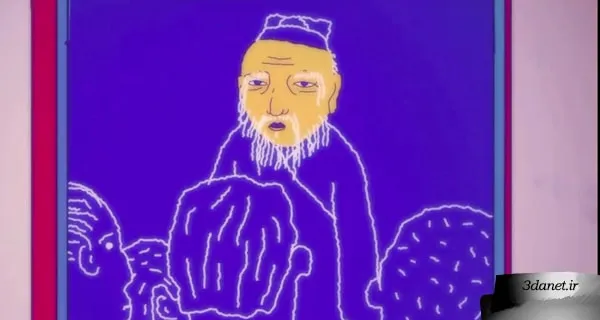
Most people have heard the name Confucius and know that he is famous for something he said. But considering the long-lasting influence his methods have had on the world, few people really know who he was, what he said, and why he said it. Amid the chaos of sixth-century BC China, where various states fought incessantly among themselves for power and rulers were often killed, sometimes even murdered by their own relatives, Confucius expounded on unity and benevolence. Through his teachings, he became one of China's greatest philosophers. He was born a nobleman but lived in poverty from an early age; the untimely death of his father led Confucius to develop what became a lifelong sympathy for the suffering of ordinary people. Working as a shepherd, a grain-store accountant, and in other odd jobs, he took on the responsibility of caring for his mother and disabled brother. In fact, without the help of a wealthy friend, he would never have been able to study in the royal archives and shape his conceptions of the world. Although many of the ancient texts there were dismissed by some as irrelevant old works, Confucius was able to draw inspiration from them. Through study and reflection, Confucius came to believe that human character is shaped within the family through education, religious rituals, literature, and history. A person who promotes this path strives to help others and guide them toward moral inspirations. To test his philosophy, Confucius became an advisor to the ruler of his state, Lu. But after another state sent a group of dancing girls as a gift to the ruler, and the ruler neglected his duties and enjoyed the girls in his private quarters, Confucius resigned in disgust. After this, he spent several years traveling from state to state, trying to find a ruler worthy of his service. This was no easy task. In accordance with his philosophy, and contrary to the doctrines of the time, he dissuaded rulers from using harsh punishments and military force to govern their states, because he believed that a good ruler, through the virtue of his moral charisma, naturally encourages others to follow him. Confucius also believed that the love and respect we learn in the family are the foundation of all virtues, and that sometimes our duties to our family even take precedence over our obligations to the state. So when a duke claimed that his people were so upright that a son was willing to testify against his father for stealing a sheep, Confucius informed the duke that the right thing is for upright sons and fathers to support one another. During his travels, Confucius nearly starved to death, was briefly imprisoned, and his life was threatened on many occasions, but he never became a bitter man. Confucius had faith that Heaven has a plan for the world, and he thought that a virtuous person can always find joy in learning and music. When he became discouraged from finding the ruler he was looking for, he returned to Lu and became such an influential teacher and philosopher that he even helped shape Chinese culture. Even today, people around the world know his name. To his disciples, he was the embodiment of a wise man who guides others on the path to virtue. His disciples recorded his sayings, and these sayings were eventually compiled into a book that we know today as the ANALECTS. Today, millions of people around the world remain faithful to the principles of Confucius, and although the exact meaning of Confucius's statements has been much debated over the centuries, when he himself was asked to summarize his teachings in one sentence, he said, "Do not impose on others what you yourself do not desire." Two thousand five hundred years later, this advice is still wise.
.
.
Download the video "Who Was Confucius?" (High Quality)
Download from Server 1 | Download from Server 2
.
Download the video "Who Was Confucius?" (Medium Quality)
Download from Server 1 | Download from Server 2
.
.
Source: Vidoal website (provider of general and specialized educational content)
.
.



Discussion0 comments
No comments yet; let yours be the first voice.