Psychology
Why Are We Backward?
The root of backwardness is a 'government-worshipping' mentality that sees the people as powerless and the government as omnipotent. The knot of our problems will be untied when society realizes its own role in its destiny and begins transformation through conduct and mutual respect.

Why are we backward? Why are our rights trampled upon? Why do freedom and democracy fail to take root in our society? Have we ever considered what price we pay for insulting and disrespecting one another's rights...?
"Government-Worship"
Undoubtedly, the greatest cause of a human being's suffering and misfortune is a lack of belief in one's own worth and abilities. This affliction is interpreted as "low self-esteem," "self-deprecation," or an "inferiority complex." An individual with an inferiority complex doubts their own power of action and thought, and sometimes, despite having various opportunities and capabilities, leads a passive life filled with fear and weakness. In various spheres of life, the person with an inferiority complex sees others as decisive and influential, while viewing themselves as passive and susceptible to influence. This mentality is evident in all of such a person's behaviors and even casts a shadow over the entire course of their life.
The cause of feelings of inferiority is often upbringing in an unhealthy behavioral and psychological environment, a space that instills a sense of weakness and worthlessness into the individual's psyche through various methods, including harassment, threats, and domineering behavior. What complicates the problem is that an inferiority complex is among the afflictions that themselves prevent their own resolution, because the person with an inferiority complex often overlooks the profound impact of their own character and attitude, and instead seeks the roots of the problem outside themselves. Since such a person sees themselves as incapable of changing circumstances, they look to this person or that, and to external factors, to bring about reform and transformation, and this is the most important obstacle to their liberation. It is no wonder that the knot of problems such as anxiety, dependency, and depression begins to loosen when they believe in their own abilities and realize their role in creating change and transformation in their own life.
❊ ❊ ❊
As mentioned, the affliction of an inferiority complex arises in the relationship between the individual and themselves or with society. But the question is whether a similar phenomenon can be found in the relationship between society and the government. Can one imagine that a society, in its relationship with the political system ruling over it, suffers from feelings of passivity and inferiority? In my opinion, the answer to this question is affirmative, and the result of such a feeling is a phenomenon that can be termed "government-worship." But what is meant by "government-worship"? "Government-worship" means seeing the political system as all-powerful and oneself as utterly powerless. "Government-worship" is a kind of socio-political mentality or mindset that has two aspects, positive and negative, both of which have destructive consequences for a society.
"Negative government-worship" means harboring hatred for the oppressive and incompetent ruling power and holding politicians responsible for all of society's problems. In contrast, "positive government-worship" means turning rulers into idols and saints and expecting miracles of progress and prosperity from them. "Government-worship," which can be considered a kind of "social inferiority complex," is a destructive mentality that produces consequences similar to low self-esteem on a social scale, including feelings of feebleness, passivity, and fear, and a sense of powerlessness and general depression. It is no wonder that systems of deception and tyranny constantly strive to promote this type of attitude. By inculcating the mindset that the government is all-powerful and the people are powerless, they try to weaken a society's self-confidence and consolidate the public's belief in their own absolute power. Through this method, which can be called "soft humiliation," exploitative systems try to make people imagine themselves as an incapable and powerless mass, and instead, in all areas, consider the government and statesmen as the primary decision-makers and the superior power. By humiliating society, they make people belittle their own worth and that of one another, and as a result, afflictions such as lying, disrespect, distrust, and division become institutionalized among the people, so that the ground for domination and exploitation of society is easily prepared.
این در حالی است که پیشرفت و عدالت یا ظلم و فساد در هر جامعهای در درجه نخست، تابع فرهنگ و آگاهی مردم و نوع رفتار و روابط آن هاست. بیدلیل نیست که حکومتهای مستبد و فاسد همواره در فرهنگهایی ظهور میکنند که ظلم، دروغگویی و بیاحترامی به حقوق هم در بین مردم، شیوههایی عادی و رایج است. صد البته باید گفت که نظام سیاسی یک کشور در تعیین اوضاع و شرایط جامعهی آن، نقشی وسیع و قابل توجه دارد ولی نقش مردم و فرهنگ آنان از هر عامل دیگری مهمتر و تعیین کنندهتر است، و این واقعیتی است که ستمگران و خودکامگان نمی خواهند مردم نسبت به آن آگاه شوند.
از بزرگترین موانع آزادی و رشد عمومی یک جامعه آن است که مردم آن، هم پیشرفت و هم عقبماندگی خود را فقط و فقط به تصمیم گیری های سیاسی و رفتارهای حاکمان و سیاستمداران نسبت میدهند. چنین طرزفکری سبب میشود که مردم یک جامعه هرگز نقش بزرگ و مهمی را که خود در سرنوشت خویش ایفا میکنند نبینند و نتیجتاً در چنین وضعیتی، آدمها منتظر وقوع تغییر در چیزی هستند که انعکاسی از منش و کنش خود آنهاست. نتیجه این غفلت آن است که در جوامع حکومتپرست، گره کورِ بدبختی و عقبماندگی هیچگاه باز نمی شود. آغاز تغییر و تحول در سرنوشت یک جامعه از زمانی است که مردم آن به نقش مهمی که خود در سرنوشت خویش بازی میکنند پی ببرند و تحول و پیشرفت را از صداقت و همکاری و احترام به حقوق یکدیگر شروع کنند.
البته این موضوع، فراتر از برخوردهای موضعی حکومت با مردم، در یک یا چند مورد است. حتی مسأله، فراتر از ظهور یا تداوم یک رژیم یا یک نظام سیاسی بهخصوص است. واقعیت آن است که حکومتها از دل فرهنگ و جهانبینی مردم متولد میشوند و رفتار و گفتار آنها برخاسته از نگرش حاکم بر تفکر و روانشناسی مردم در ارتباط با انسان و حقوق و جایگاه اوست، و جز این هم نمی تواند باشد. تغییر در هر نظام سیاسی یا چرخش در رفتارهای آن، خواهی، نخواهی معلول تحول در تفکر و انتظارات مردم است. به دور و بر خود نگاه کنیم. هیچ نهاد، سازمان، قانون یا رفتار و شیوهای را در هیچ جامعهای نمی یابیم که دستکم در طرزفکر و روانشناسی طیف قابل توجهی از مردم آن جامعه ریشه نداشته باشد و بهسان آیینهای بیرونی، آن منش درونی را بازتاب ندهد.
علت اصلی عدم تحقق پیشرفت و عدالت در جوامع ستمزده، بیخبری عموم از همین پیوند ذاتی میان نگرش و رفتار خود با ساختار سیاسی، اقتصادی و اجتماعی حاکم بر خویش است. ناگشوه ماندن گره ظلم و تیرهروزی در چنین اجتماعاتی به آن دلیل است که اکثریت مردم قادر نیستند رابطهی بین رفتارها و مناسبات میان خود را با رفتارهای حکومت با خود ببینند و نتیجتاً مردم منتظر تغییر در چیزی هستند که مستلزم تغییر در رفتارهای خود آنان است.
متأسفانه بسیاری از روشنفکران و فعالان فضای فکری و فرهنگی جوامع نیز، بهجای نقد رفتارهای عموم جامعه خویش و نشان دادن نقاط ضعف و خطاهای آن، که تنها راه برونرفت از محاق تیرهروزی و حرکت بسوی پیشرفت و آزادی است، دانسته یا ندانسته به مجیزگویی مردمان و مظلوم و منفعل جلوه دادن آنان می پردازند و در مقابل، مقصر همه ناکامیها، نابسامانیها و رنج ها را «دیگران» نشان می دهند (و اتفاقاً این روشی است که حکومتهای ظالم و فریبکار هم بهکار می بندند). این شیوه، البته برای سلب مسؤولیت از توده مردم و و راحت کردن خیال آنان از این که زحمت تحول و چاره جویی، بر عهدهی دیگران است، روشی خاطرآسا و خوشایند است. طبعاً برای گوینده هم اعتبار و محبوبیتی فراهم میکند اما در دل این خوشامدگویی دلپذیر، سم مهلکی نهفته است که بر پیکر فرهنگ، آگاهی و رشد جامعه تزریق میشود. چنین شیوه ای، تنها مایهی درجازدن یک جامعه و تداوم بنبست پررنجی است که جوامع توسعه نیافته صدها سال است که در آن دست و پا میزنند.
صد البته، تمامی این گفتهها به معنای تبرّی حاکمان و سلب مسؤولیت از دستگاه سیاسی در هیچ جامعهای نیست. بدون تردید نظام سیاسی (همچون سایر ساختارهای اجتماعی)، نقشی بزرگ و گسترده در همه ابعاد زندگی فردی و اجتماعی مردمان دارد و در قبال خطاها، ستمگریها و بیکفایتیهای خود مسؤول است، ولی آنچه که مد نظر است درک صحیح جایگاه علت و معلول است: فرهنگ و میزان آگاهی مردمان، علت و زیربناست و ظهور نظامهای سیاسی و اجتماعی، معلول و روبنا.
The key to the liberation and progress of societies lies in understanding this important principle: if a change occurs in the level of awareness, compassion, and mutual respect among a people, a transformation in the political system will inevitably follow; and if such a change does not occur, the closed circle of suffering and frustration will never be broken, as we see and has been the case.
Thank you for your patience.
.
.
Why Are We Backward?
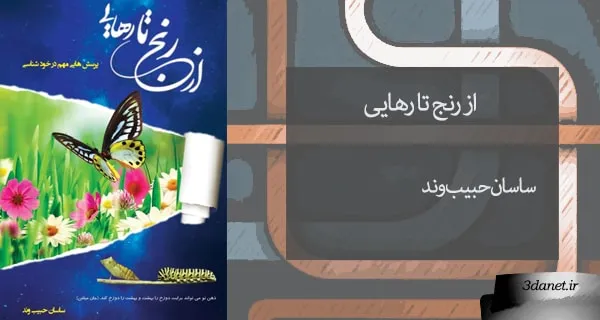
Author: Sasan Habibvand
.
.


Discussion1 comments
بسيار مقاله خوبي بود. نگاه عميق و متفاوتتان به اين مسئله مهم جالب و قابل تامل است.