Philosophy
Why Must We Think About the Future?
We live life forward but understand it backward. The future, though impossible to predict with precision, must be thought about and planned for if we are to have any direction in life.
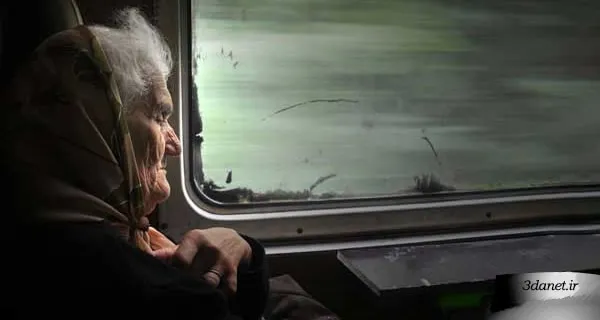
Understanding the present situation is impossible without reflecting on past events. Moreover, it is by considering past events that we can think about the future, even though the future cannot be predicted precisely. This unpredictability should not deter us from thinking about the future and planning to face it.
Søren Kierkegaard, in a famous remark, pointed out that the only way we can understand life is by looking backward: we are compelled to live life forward, but our attempt to understand life must be by looking at events that have already occurred. Here, Kierkegaard perhaps had Hegel's owl of Minerva in mind, which flies only at dusk. For Hegel, as history progresses, we collectively arrive at a moment of self-consciousness and understanding of what has occurred on a grand scale – of which the owl's wisdom and intelligence is a symbol. Kierkegaard, a fierce opponent of Hegelianism, was interested in the individual's experience and not the cyclical movements of history. Nevertheless, as Kierkegaard made clear, his insight that we individually live forward and understand backward by no means makes things easier. We are constantly (until death) moving forward, so we never attain a complete vantage point from which to look back.
The future is the stuff of our plans and fantasies. We all spend many days of our lives thinking about it, despite the injunctions of worry-teachers who tell us to live in the present. In an hour from now, you will likely begin thinking about the tasks you need to pursue, and even the words "in an hour from now" will probably stir thoughts in your mind about the near future. If we lived only in the moment and the present, we would have no motivation to move forward, no direction or orientation, drifting from one situation to another. We would probably leave the house without picking up an umbrella, miss our appointments, and have no food in the refrigerator upon returning home. Some people may live this way, but this kind of life cannot be a good thing. Yet, the paradox inherent in the situation of scheming and planning is that we need to do it, while at the same time we really have little idea how things will turn out – most of these notions seem a waste of time. Even our approximate predictions, made on the basis of seemingly sound evidence, can be highly inaccurate.
The mathematician Marcus du Sautoy, in his recent book, What We Cannot Know, describes the complexity of predicting something as simple and straightforward as the trajectory of a cube, a die, or a dice, thrown from a known height. The way this object spins and turns is very difficult to predict, even when we know a great deal about the physical laws governing that motion. The same is true of a double pendulum (a pendulum with another pendulum attached to the end of its arm). A very small difference in the launch angle will produce vastly different outcomes for both the cube and the pendulum. The pendulum arm, when released from almost exactly the same height, may swing smoothly and gently, or move in a complex pattern of back-and-forth rotations. A precise analysis of the launch angle by the casino croupier is unlikely to accurately predict the numbers the dice will show; and knowing the approximate height from which the double pendulum's arm is released does not allow the physicist to give an accurate approximate estimate of its path. This is vexing and worrying for someone who believes scientific prediction in physical systems is very simple and clear
.
«نظریهی آشوب» شاخهای از ریاضیات است که برای توضیح چنین موقعیتهایی تدوین شده است: ما در محاصرهی سامانههایی هستیم که اگر دربارهی شرایط آغازین وضعیتها به مقدار کافی بدانیم به طور اصولی قابل پیشبینیاند، اما در عمل پیشبینیِ دقیق غیرممکن است زیرا تفاوتهای خُرد در زمانِ حال پیامدهای بسیار متباینی ایجاد میکند. این نظریه را گاه «اثر پروانهای» هم مینامند، نظریهای که منسوب به ادوارد لورنتسِ هواشناس است؛ لورنتس در سال 19722 این پرسش را مطرح کرد: «آیا به هم خوردن بال پروانهای در برزیل میتواند گردباد تندی در تگزاس به راه اندازد؟» او لزوماً چنین تصوری نداشت. پرسش او این بود: با توجه به پیچیدگی عللی که بر آب و هوا اثر میگذارند، آیا ممکن است که شرایط آب و هواییِ واقعاً متفاوتی در آمریکا معلولِ پدیدهای ملایم و کمدامنه مثل به هم خوردن بال حشرهای هزاران مایل آنسوتر باشد؟ او به این دلیل چنین پرسشی را مطرح میکرد که به نظر میرسد آب و هوا یک بررسی و مطالعهی موردی برای پرداختن به دشواریِ پیشبینیِ نتایج بر اساس تخمینهاست.
«تصادف» اسرارآمیزی در اینجا در کار نیست. همانطور که دیوید هیوم در قرن هیجدهم اشاره کرده است، ما کلمهی «تصادف» را وقتی به کار میبریم که از علل آگاهی نداریم. امور را ناشی از تصادف دانستن فقط شیوهای است برای گفتن این که کاملاً مطمئن نیستیم که چه روی میدهد. اما در مورد سامانههای پیچیده مانند سامانهای که به گردباد شدید منجر میشود، دانش تقریبی از شرایط آغازین آن چه بسا حتی برای پیشبینی کردنِ تقریبیِ نتایج (در این مورد گردباد) کافی نباشد، زیرا تفاوتهای بسیار کوچک میتوانند عاملی باشند برای آن که این سامانه از وضعیتی به وضعیت دیگری فرو غلتد. لورنتس این مطلب را در تعریف خود از «آشوب» به خوبی بیان میکند: «وضعیت حال تعیینکنندهی وضعیت آینده است، اما وضعیت تقریبیِ حال تعیینکنندهی تقریبیِ وضعیت آینده نیست.»
در طول عمر من، بسیاری از رویدادهایی که اتفاق افتاد پیشبینی نشده بود. بسیاری از رویدادها میتوانست به طرزی کاملاً متفاوت اتفاق افتاده باشد. در سالی که من متولد شدم، بحران موشکی کوبا ممکن بود به آسانی به جنگی هستهای میان ابرقدرتها تبدیل شود. هنگامی که من در سالهای دههی 1970 مدرسه میرفتم، فقط خیالبافترین نویسندگانِ داستانهای علمی ـ تخیلی ممکن بود سطح پیوند و ارتباط جهانیِ امروزی را که اینترنت امکانپذیر کرده است به تصور در آورند. این تصور که بسیاری از افراد رایانهی کوچکی در جیب پشت شلوارشان بگذارند، یا این که اتومبیلهای بدون راننده در جاده در حرکت باشند، به نظر اکثر مردم باورنکردنی میرسید.
امروز، بسیاری از مردم بااطمینان پیشبینی میکنند که روباتها و رایانهها به زودی بیشترِ کارها را انجام خواهند داد. برخی نگراناند که «هوش مصنوعی» جهان را زیر کنترل خود در خواهد آورد، و با ظرفیتهای فکری نسبتاً محدود آدمیان چندان مدارا نخواهد کرد. با این همه، چه کسی میداند که واقعاً چه اتفاق خواهد افتاد؟ افراد باهوش در مورد پیشبینیهایشان اشتباهات بزرگی میکنند. لودویگ ویتگنشتاینِ فیلسوف، که در مهندسی هوافضا تعلیم دیده بود و باهوشتر از اکثر افراد بود، فقط چند دهه پیش از قدم گذاشتن بشر به کرهی ماه ادعا کرد که هرگز هیچکس قدم به کرهی ماه نخواهد گذاشت.
The solution is not to avoid thinking about the future. The solution is not to roll toward catastrophe with our eyes closed. We need to predict, we need to think and reflect upon what might happen – what is likely to occur, what could occur if things go terribly, horribly wrong. Meteorologists continue to predict the weather, even though they know their predictions can sometimes be wildly inaccurate for the reasons Lorenz specified. We, like meteorologists, must understand the role chaos plays in our lives, and how difficult predicting events can be. And again, like meteorologists, we must be prepared to revise our predictions in light of new evidence in a rapidly changing environment. We need to be sensitive and alert to minor shifts in direction in the present, which can have vast and far-reaching consequences in the future.
“What is the worst that could happen?” This is a question considered in the cognitive behavioral therapy approach as a way to minimize the fear of failure, and it is a question worth asking, even if we are not truly aware of the probability of the worst-case scenario occurring. Planning for the potential confrontation with the hazards arising from the worst-case scenario, individually and collectively, may well ensure our survival. At worst, this planning will mean we are prepared for a catastrophe that never materializes. Of course, there is still the risk that something far worse than anything we can currently imagine will occur. There is also the risk that we become despairing and fearful of the future – a mindset that can itself affect outcomes and limit our success. Instead, we should hope that it might be better to balance and counterbalance thinking about the worst-case scenario with thinking about the best thing that could happen. Also, we should spend some of our time daydreaming about an ideal future, to find an ideal to pursue and attain in the future. There is always the probability and chance that the flap of a butterfly’s wings somewhere will propel us right into a position one step closer to that future.
.
.
Why Must We Think About the Future?
Translation: Afsaneh Dadgar
Nigel Warburton is a British philosopher and researcher. What you read is a translation of this piece by him:
Nigel Warburton, ‘Thinking Ahead,’ New Philosopher, 7 April 2017.
.
.



Discussion0 comments
No comments yet; let yours be the first voice.