Philosophy
Yaser Mirdamadi and Esfandiar Tabari Debate on Pargar: Does Philosophy Progress?
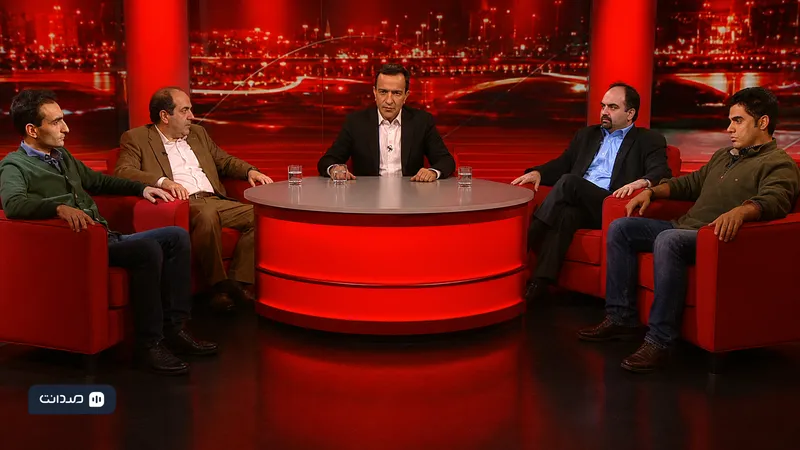
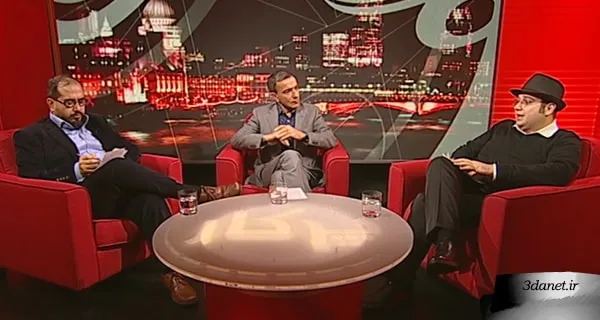
Does philosophy progress, or are its questions the same as they were at the beginning? Yaser Mirdamadi argues that philosophical progress is real, while Esfandiar Tabari contends that it is not. A report on their debate from the programme Pargar.
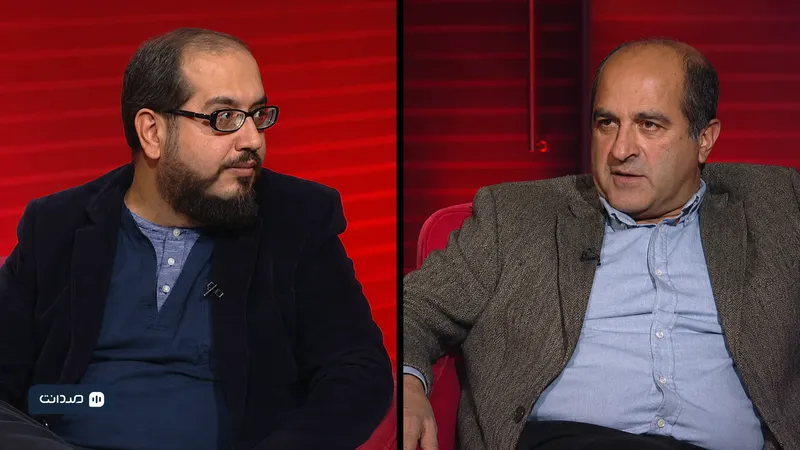
Yaser Mirdamadi
Debater
Esfandiar Tabari
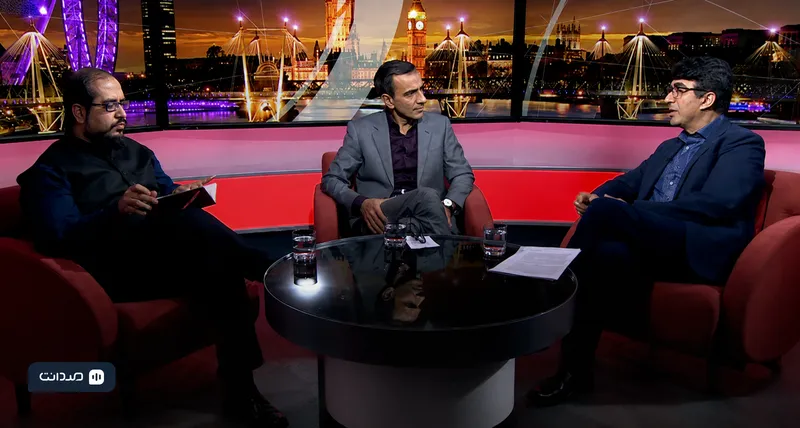
DebaterDoes philosophy progress? If we see progress in philosophy, why do the fundamental philosophical questions remain the same as they were from the beginning, and if philosophy does not progress, what are today's philosophers doing? If you put Socrates in a physics class at a modern university, he would likely be overwhelmed by the extent of his ignorance. But if you put him in a philosophy class, he might engage in discussion with the professor better than the other students. What does this comparison tell us? Can we not say that philosophy does not progress? If we do not see progress in philosophy, then what are all these professors, departments, and philosophical journals busy doing? Are they merely expressing and teaching the thoughts of the founding fathers of philosophy in new or relatively new forms? It goes without saying that many in the field of philosophy disagree with the so-called view of philosophy's lack of progress. Some find the term 'progress' inadequate, and some believe that we are indeed witnessing progress in philosophy. In their view, if fundamental philosophical questions such as the meaning of life, the existence or non-existence of God, and the nature and extent of human will and free choice remain without definitive answers, this stems from the nature of philosophical thought. But if these questions have become not a source of consensus but rather grounds for more disagreement among philosophers, does a layperson not have the right to say, leave us with the early ideas of philosophy and go do something else? The program's guests: Esfandiar Tabari; professor of philosophy, and Yaser Mirdamadi; researcher in philosophy and religion.
Yaser Mirdamadi: In this conversation, I defended the possibility and indeed the realization of progress in philosophy, and Esfandiar Tabari defended the lack of progress in philosophy. In the podcast version (the audio file at the end of this post), we talked a bit more about this after the video recording ended.
.

Discussion2 comments
سلام فلسفه یک چیز است و انسانهایی که اسم خودشان را فیلسوف میگذارند یک چیز دیگر سوال ازپایه ایراد دارد مثل اینکه از مراجع تقلید بپرسی که چرا هنوز نحوه ی نماز خواندن را در رساله هایتان مینویسید یا از معلممین ریاضی بپرسید چرا هنوز جدول ضرب یاد میدهید مگر علم پیشرفت نکرده؟ اینها و سوالات تکراری در هر علمی بخاطر انسانهای تازه ایست که به دنیا آمده اند و جویای حقیقتند و در هر علمی ، علمای آن علم باید مفاهیم را به زبان دوران یا سوال کننده بیان کنند ابزار شناخت فیلسوف از غیر فیلسوف ، منطق است با علم منطق کلام درست تشخیص داده میشود و فلاسفه ی حقیقی اکثرشان در عمر خود پاسخ سوالهای بنیادین را یافتند و در دسترس سوال کنندگان قرار دادند حالا هوای نفس ما اجازه نمیدهد کلام حق را قبول کنیم و به راحتی پا روی حق میگذاریم و جواب درست و منطقی را نمیپذیریم ، دلیل بر عدم پاسخ نیست
ببخشید من یک سوال داشتم در مورد منطق می خواستم پاسخ بگیرم طرفداران منطق میگن که منطق به ذهن کمک می کند تا لغزش نداشته باشد با وجود اینکه تکیه منطق بر ذهن است مثل اینکه تکیه عصا به ما باشد در حالی که ما باید به عصا تکیه بدهیم و از آن به عنوان تکیه گاه استفاده کنیم. به نظر شما منطق علم مفیدی است؟ ممنون