Religion
Yaser Mirdamadi's Critique of Arash Naraghi's Recent Article
While agreeing that the independent seminarian-student movement has a future, Yaser Mirdamadi rejects the decline of religious intellectualism: its apolitical turn risks conservatism, but religious intellectuals will retain an inspirational role through their critical stance.
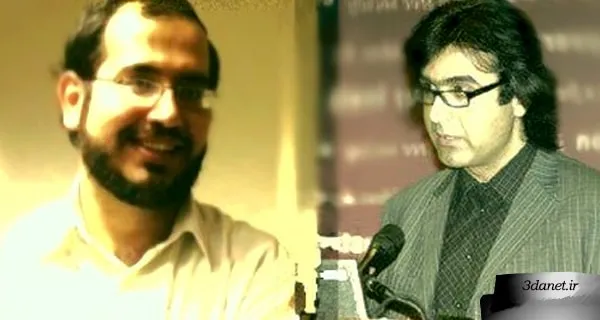
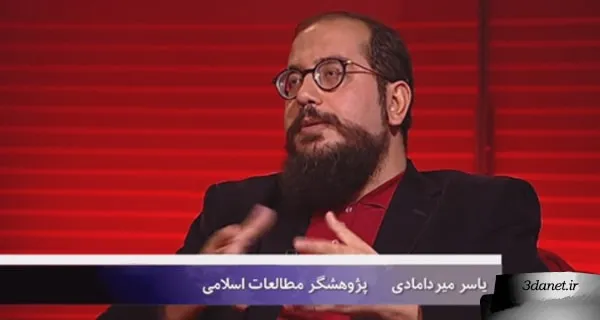
Yaser Mirdamadi: I completely agree with Arash Naraghi's analysis that there is a small but significant and growing stream of seminary students who were initially, directly or indirectly, influenced by religious intellectualism, but now this stream has an approach that is more or less independent of religious intellectualism and perhaps pursues issues independent of it. I fully agree with him that this stream has a future and is to be taken seriously.
However, if Naraghi's analysis implicitly leads to the conclusion that religious intellectuals will lose their importance in the near future (if they haven't already), then I disagree with this conclusion; and this disagreement is precisely for the same reason that Naraghi himself, at the end of his piece, has rightly pointed out: the apolitical nature of this stream.
This small but very important stream, for survival, has instinctively or consciously taken the path of being apolitical, and in my opinion, it will most likely remain apolitical, and this very fact exposes it to the danger of lapsing into political-religious conservatism.
Religious intellectuals, however, due to their overtly critical stance in the political and social sphere, are less exposed to the danger of lapsing into political-religious conservatism (although, in return, they are at risk of elimination and have, in practice, been forced into exile in some cases).
On this basis, it seems that religious intellectuals will retain their aspect of inspiration, problem-posing, and problem-solving efforts (probably for the near future, if not longer).


Discussion0 comments
No comments yet; let yours be the first voice.