Philosophy
Zavieh Program: “How Do Our Philosophers Engage with the Problems of Iranian Society?”
Musa Akrami and Alireza Qaeminia discussed the challenges facing philosophers in Iranian society on the program Zaviye. The conversation centered on the absence of a philosophical tradition, political pressures, the politicization of academic institutions, and issues such as social justice and Iran's global standing.
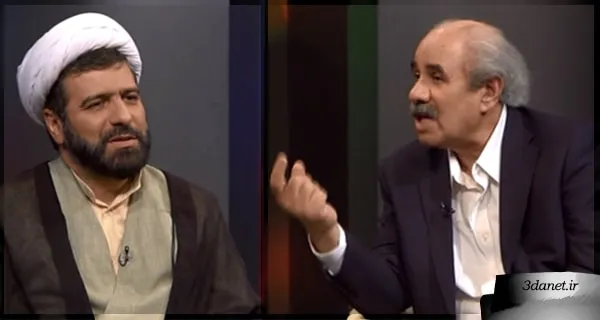
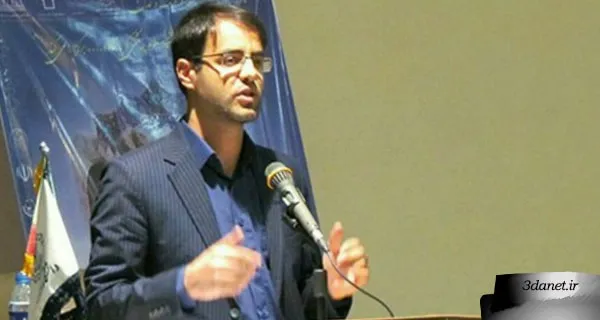
In this program, Dr. Mousa Akrami and Hujjat al-Islam Alireza Qaeminia discussed “Philosophers and the Problems of Iranian Society.”
Excerpts from this conversation:
Akrami: The most important issues facing our country today for native philosophers are Iran’s place in the new world, confronting existing crises, the country’s political structures, and the economy.
Qaeminia: All of Iran’s social problems can be summed up under social justice! The problem lies in the failure to precisely articulate the details of the issue of justice!
Akrami: We lack an established philosophical tradition, and the pessimism of governments toward philosophy, viewing philosophers as enemy infiltrators, along with the absence of an independent house of philosophy, are among the predicaments of our philosophers!
Qaeminia: Iranian society is extremely politicized in scholarly discussions, and many scientific and philosophical centers are established based on political partisanship; moreover, the paradox between tradition and modernity has blocked the path to dialogue!
Akrami: As long as religion was not in power, it was tolerant toward its rivals, but once in power, it has always exerted pressure on its rivals, including philosophy!
Akrami: Can opposing schools of thought still hold open discussion and dialogue sessions today, as they did in 1979? Certainly not!
Qaeminia: Open discussions and dialogues with opponents are still possible today and have occurred many times, even in the seminary.
Akrami: In our country, there is pressure on people of thought, and they are often preoccupied with the concern for an open atmosphere, or the sorrow of earning a living, or gaining status; meanwhile, due to political monopolization, thinkers with different tastes, even though they are capable of serving the country,
.
.
Audio file of this conversation
Video file of this conversation (73 MB)
Video file of this conversation (140 MB)
Video file of this conversation (269 MB)
.
.
Zavieh Program: “How Do Our Philosophers Engage with the Problems of Iranian Society?”
Wednesday, November 22, 2017, Channel 4
.
.

Discussion0 comments
No comments yet; let yours be the first voice.