Art
A Comparative Look at Nineteenth-Century Paris and Safavid Isfahan, Dariush Shayegan
Dariush Shayegan sees nineteenth-century Paris and Safavid Isfahan as two opposing poles: one the emblem of capitalism and modernization, the other the manifestation of the world of dreams. Architecture is the realization of utopia; it is a passage through cities, an entry into heterogeneous worlds and disparate ways of life.
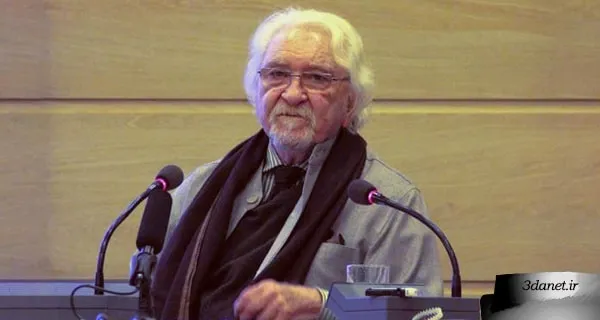
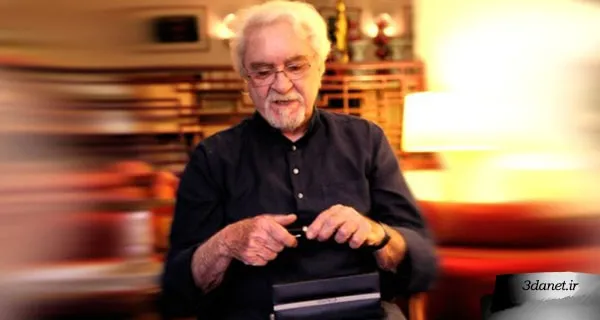
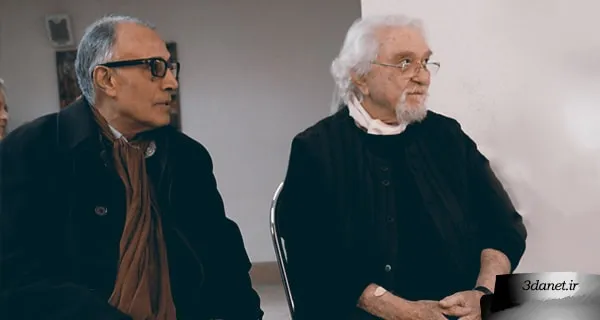
What you are about to read is the text of a lecture by Dr. Dariush Shayegan, held in the conference hall of the Iranian Society of Consulting Engineers on the evening of Monday, January 11, 2016, with the participation of a large group of architects and students of architecture and urban planning. First, Engineer Saeed Sadatnia presented a report on the cultural activities of the Society of Engineers, and then Ali Dehbashi gave an overview of the works of Dr. Dariush Shayegan. He then delivered his lecture, which was well received by the community of architects and engineers. At the end, Dr. Shayegan answered questions from the audience for an hour.
Dariush Shayegan: First of all, I feel obliged to say that I am neither an urban planner, nor an architect, nor an art historian, nor even a sociologist. I am, in fact, a free thinker who was once involved in Indology, religions, and comparative philosophy. So do not expect any astonishing revelations from me, for your hopes will surely turn to despair. I do confess, however, that old cities have always captured my attention—I mean the great historical metropolises, whether in the West or the East. Cities that carry the heavy baggage of history on their shoulders and house within them the magnificent and glorious monuments of human history; such as Delphi in Greece, Varanasi in India, Angkor Wat in Cambodia, the Forbidden City in Beijing, Kyoto in Japan, Luxor in Egypt, Machu Picchu in Peru, and the strange pyramids of the Maya culture at Palenque, Yucatán in Mexico and Guatemala. "The Age of the Cathedrals," which Georges Duby brilliantly described in a book of the same title, is endlessly fascinating to me. I love cities like Isfahan, Istanbul, Florence, Rome, and Toledo, which are allegorical cities. I have even tried to get to know Paris, that microcosm which, in the age of medieval Christianity, was the cradle of scholastic thought and reflection, and in the nineteenth century, in the words of Walter Benjamin—who truly loved this city—served as the capital of the world. In an essay written long ago, by comparing Paris and Isfahan, I tried to show how these two cities are polar opposites. If the Paris shaped by Haussmann during France's Second Empire is, in Baudelaire's beautiful phrase, "the city full of crowds, the city full of dreams, where specters in broad daylight clutch at passers-by," Isfahan is the ideal embodiment of the world of dreams, suspended in space.
The book In Search of Lost Spaces, which, as far as I know, was the reason for tonight's gathering, is divided into two parts: the first part deals mostly with the question of Western and Eastern art, such as the essay "My Journey in the Fifteenth Century," which is a reference to the grand exhibition held on the occasion of the five-hundredth anniversary of the discovery of the American continent in 1992 at the Washington National Gallery of Art, where all the cultures of the world were gathered, from the cultures of Japan, China, and India to the Islamic world and the West and pre-Columbian civilizations; and then the essay "In Search of Lost Spaces," "Paris, the Global City," and so on. The second part is a series of articles about some prominent contemporary Iranian artists, such as Bahman Jalali, the photographer; Abbas Rostami, on the occasion of his photo series of the doors of abandoned houses; a detailed essay on the worldview of Sohrab Sepehri titled "A Moment in the Oasis," which is an explanation and interpretation of a collection of his poems that I had translated into French; Abolghassem Saidi; and Aydin Aghdashloo.
Let us now return to architecture. In my view, there are inevitable homologies between the dwelling—that is, built space—and the space of the mind and the climate of the heart, such that one cannot be altered without tampering with the other. Architecture has always been the realization of a dream, a utopia, or a collective fantasy (fantasmagorie). And every spatial content is accompanied by a way of life, a mode of cognition, and one might even say a mode of presence. Allow me to offer a vivid example: in passing from Varanasi, the spiritual heart of India, to Isfahan, and from there to Paris and then to Los Angeles, we do not merely traverse different spaces but intermingle with often disparate ways of life and worldviews; in other words, we emerge from heterogeneous worlds. At one moment, in Varanasi, we observe the simultaneity of all stages of life; for instance, if we pass along the Ganges River through the city early in the morning, we see all manner of images before our eyes: one person is worshipping the sun (Surya), some are praying and bathing, children are playing in the water, another is relieving himself in the same river, and then at the end you reach a crematorium where bodies are burned and you can hear the sound of skulls exploding. It is as if all these events are a cinematic image of life, images that manifest all at once. At times in Isfahan, we encounter the magical vision of turquoise domes that seem to hang in the air without any support; at times in Paris, we witness the odyssey and the spiritual journey of the soul and its successive embodiments in time and history, from Notre-Dame along the Seine from east to west toward the Arc de Triomphe, witnessing all the major stages of Western architecture: Notre-Dame, the self-subsistent medieval world; then the Louvre, once the palace of kings; the Place de la Concorde, the square of the revolution where Louis XVI was beheaded; and finally the Arc de Triomphe, the emblem of Napoleon's empire and the ideology of the revolution, from which twelve major avenues radiate. At times we find ourselves in the indeterminate space of Los Angeles, a space that repeats itself endlessly in a monotonous and tedious horizontal sprawl. These stations are all symbols of the diverse unfolding of space, both on the horizontal and the vertical plane. If human beings have reflected all these diverse spaces and times, perhaps it is because all these spaces already existed potentially within them, and were part of the landscapes of their soul. My aim here is a brief comparison between Paris and Isfahan, further details of which appear in the article “In Search of Lost Spaces.”
Understanding Haussmann's Paris is difficult without understanding the imperial ideology that is its infrastructure; just as the magnificent architecture of Vienna's Ringstrasse is impossible without the important role of the bourgeoisie and its lofty values of law and culture, values embodied in the forms of four edifices in various styles: the Parliament (Reichsrat), the City Hall (Rathaus), the University (Universität), and the Burgtheater (Burgthearter), one in Gothic style, one Neoclassical, another Renaissance, and the last Baroque. Now let us compare nineteenth-century Paris with Safavid Isfahan.
In nineteenth-century Paris, Haussmann's style of urban planning is at once a sign of the triumph of capitalism. By decree of Napoleon III, Haussmann first demolished and then rebuilt Paris according to a specific plan aimed at the modernization of the city, that is, he transformed it from a medieval city into a modern one. He constructed a vast network of boulevards in the center of the old part of the city, which were intended to serve as the main arteries of the urban system. The construction of these boulevards entailed the complete demolition of slums and many buildings, the displacement of their inhabitants, and the destruction of some of the city's old neighborhoods, and this led to the breaking down of the barrier that had been drawn around the relatively closed world of the urban poor. In this way, the destitute gained access to other parts of the city for the first time and stepped into this new feast. On both sides of the boulevards, shops, commercial enterprises, glass-fronted buildings, and all sorts of restaurants and cafés were built, with their gas lamps and enchantingly lavish decorations, and thus the nightlife of Paris began, with its theaters, luxuries, and nocturnal revelries, gradually transforming the people's mores as well. We find the reflection of these images and scenes repeatedly in the works of Baudelaire. As he says in the poem “The Swan”:
Paris changes! but naught in my melancholy
تغییر نکرده است! کاخ نوساز، داربستها، تختهسنگها
محلههای قدیمی، همهچیز برایم به استعاره بدل میشود،
و خاطرات عزیزم از صخرهها گرانبارترند
شاعر با این واسطه، پاریس ازبینرفته را به شیوۀ خود زنده میکند. در واقع عالم خیال و هنر، عالمی هالهبخش است و بودلر از طریق خلاقیت شاعرانه در پی آن است که به بقایای دنیای تکهتکه که بیجان و بیرمق و بیکساند، جان تازهای بدمد، و نقش استعارهساز (allégoricien) او از دیدگاه والتر بنیامین در اینجا بروز مییابد. بی خود نیست که بودلر را شاعر بزرگ مدرنیته خواندهاند، چراکه ویژگی مدرنیته به گفتۀ بنیامین عبارت است از ناپدید شدن هالۀ رازآمیز، به این معنا که ارزش کالای تجاری جایگزین ارزش آیینی اشیا میشود تا به کالایی قابل مبادله و نمایشی تبدیلش کند. بودلر با احساس عمیق این فروپاشی هاله، به مدد شعرش، منزلت جدیدی به اشیا میبخشد. او با استعارهسازی، به نحوی آنها را انسانی میکند و به آنها بدین سان مکان زیست میدهد. در زیر نگاه کیمیایی شاعر، تمامی شکافهای مدرنیته، قدر و منزلت از دسترفتۀ خود را بازمییابند یا به قول بنیامین، شاعر به اوج کاپیتالیسم و به بیگانگی منتج از آن با یک کتاب سیصدصفحهای از اشعار غنایی پاسخ میدهد.
ولی با این تفاصیل اگر از پاریس به اصفهان گذر کنیم، با برداشتی کاملاً متفاوت از فضای شهری روبهرو میشویم. در این فضای شهری نه تنها صنعت بزرگ هنوز ظاهر نشده، نه تنها تشنجهای بزرگ مدرنیته، یعنی تضادهای بین فرد و جامعه، درون و بیرون، ناشناخته و بیگانه مانده، نه فقط اثری از نهادهای مدنی در آن سراغ نمیتوان کرد، بلکه نحوۀ تظاهر بینشی هم که طراح آن است از ساحتهای دیگر وجود نشأت میگیرد. در اصفهان از آن نهادهای مدنی که در پاریس و وین از آنها سخن گفتیم اثری نیست، مثلاً پارلمان، شهرداری، دادگستری، و غیره... در واقع اهالی اصفهان برخلاف اهالی پاریس و وین، شهروند نیستند بلکه مؤمنانی هستند زیر سلطۀ دو قدرت: دیانت و سلطنت؛ و قدرت هم دارالخلافۀ عباسی است و مظهر آن عالیقاپو در میدان شاه. استعارهسازی بودلر که صفت برجستۀ واقعیت پاریس قرن نوزدهم بود، در این فضا هیچ مصداقی ندارد؛ زیرا در اینجا آن هالهای که بنیامین بدان اشاره میکرد، فرو نریخته، بلکه برعکس سراسر فضای شهری در جوّ جادویی هاله غوطه میخورد. در اینجا الفبای فضا، استعاره نیست بلکه بینش تجلی است که منشأ خود را از تخیل خلاق که همان عالم مثال عرفان ایرانی است، برمیگیرد. در اینجا مدرنیته با تمام غنا و تعارضات خود هنوز ریشه ندوانیده، بلکه بالعکس شهر وجه مشهود و ملموس یک سنّت کهن است. پس اگر بخواهیم برای این شهر هم شاعری متصور شویم، چنانکه بودلر را برای پاریس برگزیدیم، میتوان از حافظ شیراز نام برد. یعنی شاعری که جهان را به صورت فضایی معلق در فاصلۀ بین مبدأ و معاد، و ازل و ابد میتواند ببیند. این شاعر نه از پیشرفت صنعتی به معنای تاریخی آن آشناست، و نه از کاپیتالیسم خبری دارد. در اینجا غرضم بههیچوجه ارزشداوری نیست و نمیخواهم بگویم کدامیک بر دیگری ارجحیت دارد، بلکه هدفم صرفاً اشاره به دیدگاههای مختلفی است که انسان از فرهنگ، شهر و فضاآرایی دارد.
The only time Paris might be considered comparable to Isfahan is medieval Paris. In his famous book Gothic Architecture and Scholasticism, Erwin Panofsky discusses the link between architecture and Scholastic thought and the similarity of the structures governing them, showing how these structures both originate from a habit-forming force. In the city of Paris, during a period beginning around 1130 AD and ending around 1270, an art manifested itself that makes this an exceptional era. In this period, during which Gothic art emerged and the abbot of the Cathedral of Saint-Denis, named Suger, played a pivotal role, the channels of cultural transmission in the urban environment encompassed the masters of all guilds and professions: booksellers, publishers, bookbinders, illuminators, painters, stone-carvers, jewelers, and architects. As a result, a deeper connection and mutual influence was established among these artisans and various professions, and thus a single set of mental habits was engraved upon their minds and souls. The sum of these habits constituted the Christian vision of art, in which art, philosophy, and theology, in an unbreakable bond with one another, formed a kind of existential climate specific to Scholastic thought. It is for this reason that Gottfried Semper calls the art of the Gothic era "the crystallization of Scholastic philosophy in stone." Just as Safavid Isfahan is the embodiment of the mystical and philosophical thought of Islamic Iran, so too is the medieval culture of Paris the thought of the Church, and the Church itself is a complete tradition, for it encompasses all the cultural systems from which the great figures of that culture benefited.
.
.
A Comparative Look at Nineteenth-Century Paris and Safavid Isfahan
Text of a lecture at the Iranian Society of Consulting Engineers
(Monday, January 11, 2016)
Reprinted from Bukhara Magazine, Issue 110, February – March 2016
.
.

Discussion0 comments
No comments yet; let yours be the first voice.