Literature
Sohrab Sepehri Through the Eyes of Dariush Shayegan
Dariush Shayegan's concluding note to the French translation of Sohrab Sepehri's poems recounts his final meeting with the poet and the regret that the book was not published before Sepehri's death. The text emphasizes the universality of Sepehri's thought and the need to read his works with gentleness and tranquility.
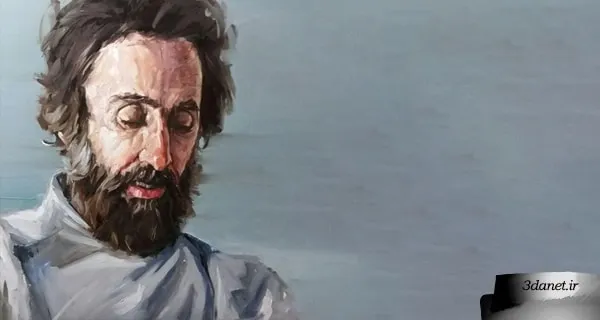
Dariush Shayegan translated a selection of Sohrab Sepehri's poems into French during the poet's lifetime; in this translation, he enjoyed the assistance and advice of the author himself. The publication of this translation was delayed, and Sohrab did not live to see it. Shayegan adorned the beginning of his translation with a long and weighty introduction. And yet, the final page of the book's text consists of a note that the translator ultimately added. In honor of Sohrab Sepehri, and of course Dariush Shayegan, we are translating the said page from French into Persian. The details of the work are as follows:
Sohrâb Sepehrî, Oasis d’émeraude, introduction et traduction de Daryush Shayegan, Imago Poiesis, Paris, 1982.
The candle of Sohrab Sepehri's life was extinguished in Tehran on the twenty-first of April 1980 (the first of Ordibehesht 1359), before the French translation of his poems could be published. I saw Sohrab for the last time in March (Esfand 1358) in London. He was suffering from leukemia, pale and gaunt, his body had no more strength or stamina, as if the time for his soul to depart had arrived; and yet, his eyes shone with a dazzling brilliance. The heavy, gloomy air of London tormented him to an almost unbearable degree. He was in a great hurry to breathe once more the fresh, gentle air of his motherland. This relief and deliverance was granted to him, and he had the opportunity to witness, for the last time, the rising of spring and to taste the Iranian Nowruz, which is the beginning of the new year and the celebration of the blossoming of all the forces of nature.
Sohrab departed from this world without anyone noticing his death; the death of one of the greatest poets and painters of contemporary Iran stirred almost no one's attention: those who were the so-called founders of a new spiritual order[1] had other, more important concerns, concerns other than honoring the memory of one of the most authentic voices of our land.
May his soul rest in peace beside the Truth! And may his heart be calm and at ease that what he has bequeathed to us has been in no way in vain, for, as his illustrious predecessor, Hafez of Shiraz, sang:
When you pass by our tomb, seek grace,
For it will become a pilgrimage site for the world's free-spirited.
***
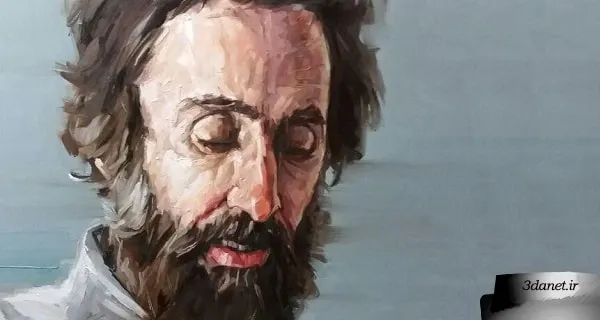
Dariush and Sohrab, Shayegan and Sepehri, both closed their eyes in the spring. Perhaps spring, which is the time of life, grants them a rebirth, breathes a new breath into them. Sohrab's thought is universal, and with the translations of his works into European languages, this horizon has opened up for him to be better known and for comparative studies in the field of comparative literature and art to be undertaken between his works and those of writers and artists from other lands. Shayegan, too, who himself wrote in French and now enjoys worldwide renown, expressed himself in French with a rare power, weighty and literary.
Some are inhabitants of a specific village, city, or country, and if they have a message, it is for that same group. Hafez, Sohrab, and Shayegan dwelled in "nowhere," and for this reason, they belong everywhere, to all of humanity. And all of humanity will appreciate them. Sepehri is intensely modern; the firmament of Sohrab's thought is global, a thought that can be a balm for the wounded body of today's world. Sepehri and Shayegan will not fade from world culture. Their art, their craft, will be seen more and more, and will be read with increasing frequency.
And yet, how should one read Sohrab? Perhaps he himself has provided the key to his own reading:
"If you come looking for me, come softly and slowly, lest..."
Sohrab asks his audience to read his works with gentleness and tranquility of soul, with the "simplicity of the amorous soul" (in the words of Saint John of the Cross).
.
.
PDF file of this writing
.
.
Sohrab Sepehri Through the Eyes of Dariush Shayegan
Author: Reza Koohkan
.
.
[1] Refers to the interpretation of a "spiritual revolution" that Michel Foucault, the renowned French philosopher, gave of the 1979 Iranian Revolution. Foucault, who traveled to Iran several times during the strikes and demonstrations of 1979, inscribed this notion onto the pages of history by publishing several articles in an Italian newspaper. After the victory of the revolution and the events that followed, numerous criticisms were leveled at this idea of Foucault's, to the point where he abandoned the notion and apologized for what he called his mistake.
.
.
Discussion2 comments
بهار که باز میگردد شاید دیگر مرا بر زمین باز نیابد چقدر دلم میخواست باور کنم بهار هم یک انسان است به این امید که بیاید وُ برایم اشکی بریزد وقتی میبیند تنها دوست خود را از دست داده است بهار اما وجود حقیقی ندارد بهار تنها یک اصطلاح است حتی گلها و برگهای سبز هم دوباره باز نمیگردند گلهای دیگری میآیند وُ برگهای سبز دیگری همچنین روزهای ملایم دیگری هیچ چیز دوباره باز نمیگردد و هیچ چیزی دوباره تکرار نمیشود چرا که هر چیزی واقعی است. بهار | فرناندو پسوآ
نام هر دو عزیز جاودان و روح شان قرین آرامش ، جامعه ما بشدت به انسان های فرهیخته با اندیشه و روح آرام و مثبت چون شایگان و سهراب نیازمند است .???????