Philosophy
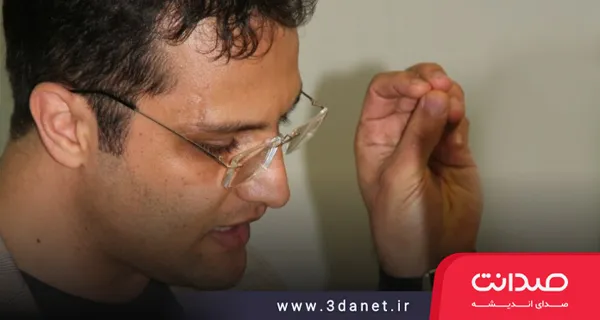
A Primer on the Fundamentals of Philosophy, by Mehdi Akhavan
Philosophy, relying on pure thought and rational analysis, probes the fundamental concepts of life to deepen human understanding of the world; an examination of the definition of philosophy, its distinction from the empirical, mathematical, and historical sciences, and its foundational questions, in a primer by Mehdi Akhavan.
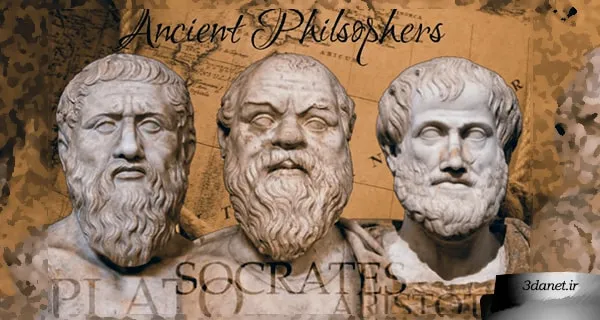
There are two ways to understand philosophy: either we refer to what in history has been called philosophy and philosopher, and the activities that have been termed philosophizing and philosophical inquiry, to see whether they share a common feature (a posteriori definition); the other way is to offer a description of philosophy ourselves (a priori definition). Thomas Nagel believes that many people begin philosophical thinking around the age of 14, and questions such as these arise in their minds:
● What really exists? ● Are we capable of knowing anything? ● Does life have meaning? ● Is there anything that is truly right or truly wrong?
The raw material of philosophy comes to mind directly through the world and humanity's relationship with it, not through reading the works of predecessors. In this respect, philosophical problems have repeatedly arisen in the minds of people who have had no studies in the field of philosophy. The center of gravity of philosophy consists of those questions that a thoughtful human mind naturally finds perplexing and enigmatic.
The Difference Between Philosophy and Other Disciplines ● Empirical sciences (natural and human): Philosophy relies on pure thought, not observation and experiment. (Go and see) ● Mathematics: Philosophy cannot be entirely reduced or confined to formal methods of proof. ● Historical/transmitted sciences (history and literature): Which investigate based on documents and evidence. (Go and ask)
Philosophy does its work solely through posing questions, debate, weighing ideas, and thinking about arguments against these ideas, as well as ideas about how concepts actually function. (It is a science with the strategy of sit and think)
The main preoccupation of philosophy and the philosopher is questioning and understanding very common opinions and views—views we employ everywhere in daily life without thinking about them. Perhaps in philosophy, the number of questions exceeds the number of answers, because we begin philosophical thinking with a few problems and ultimately, after engaging with those questions, we arrive at more and deeper questions. One of the subtleties of philosophical work lies in posing new questions against what was previously accepted and taken for granted in philosophy.
In brief, philosophy is rational, non-empirical reasoning and analysis concerning problems that cannot be resolved through empirical or mathematical means, nor can consulting historical documents and sources untie their knots. We cannot get through life without using concepts like time, number, right/wrong, knowledge, and so on, but philosophy excavates these very concepts.
The Aim of Philosophy It deepens our understanding of the world and of ourselves; the more fundamental the subject under investigation, the fewer tools we have at our disposal for inquiry. In the realm of philosophy, we do not have many assumptions and certainties available to us, which is why philosophical activity seems bewildering.
.
.
Download the Primer on the Fundamentals of Philosophy, by Mehdi Akhavan
Download from Server 1 | Download from Server 2
.
.
Source: Personal website of Mehdi Akhavan
Contact the author: makhavan77@yahoo.com
The Primer on the Fundamentals of Philosophy was written in 101 pages in Khordad 1391 (May/June 2012).
.
.




Discussion1 comments
با سلام یک مقدار شلختگی در بیان مطالب وجود دارد ولی محتوا و منابع برای نوآموز مناسبه... تشکر.