Philosophy
Idealism in Philosophy Education and the Neglect of Intermediate Goals
Idealism in the teaching of the sciences has its roots in the Islamic seminaries, obliging philosophy students to become philosophers. This outlook leads to a neglect of intermediate goals, even though philosophy can be useful for other professions.

Idealism in the teaching of sciences is a habit that we Iranians are afflicted with. What I mean by idealism in teaching is that our goal in education is always to reach the ultimate end and the highest degree of the sciences. Perhaps the reason for this is that the cradle of learning in our country has been the seminaries and religious schools. That is, the establishment of the current of teaching and learning was with the seminaries and religious sciences, and since in these sciences the goal of attending school and seminaries has always been that if a person studied jurisprudence, they would attain the degree of ijtihad, and if they studied hadith, they would become an expert hadith scholar like the founders of this science, and likewise in exegesis and the principles of jurisprudence—it is because of this idealism in teaching that our curriculum planners have made the slightest changes over years and perhaps centuries; the courses and the extent of their success and efficacy are never subjected to repeated and renewed reviews.
The necessity of studying Arabic grammar and syntax for all seminary students and theology students stems from this same idealistic view in teaching, which expects all students and seminarians to have the ability not only to read religious and scientific texts themselves but also to thoroughly understand the rhetorical subtleties of these texts. Even if a person wants from the outset to become a lawyer, or a prayer leader in a mosque, or to be active in cultural affairs, they must necessarily study grammar and syntax well and completely.
Strangely enough, everyone must read the classic and voluminous texts. And if a text has been simplified or its objectives are aimed at intermediate levels in Arabic language teaching, it is not accepted.
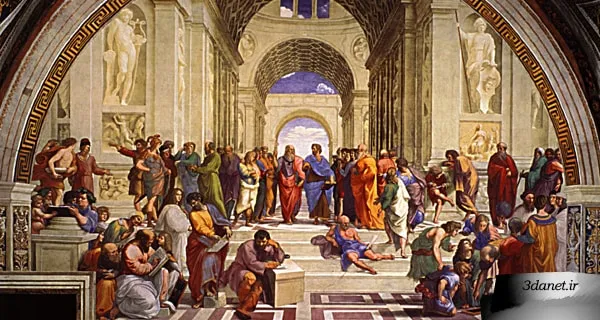
This same idealistic thinking also prevails in the field of philosophy. A philosophy student must study philosophy to become a philosopher and the possessor of a system of thought; they must study logic so that their proficiency in this subject reaches the level of the knowledge and understanding of Avicenna and Aristotle. Otherwise, what justification can there be for studying the very detailed and specialized logical discussions of the Isharat for a philosophy student whose goal is to study philosophy?
It is as if, in our thinking and in our educational system, the sciences have no intermediate goals or benefits, and their only benefit lies at the apex of their pyramid.
Psychologically, this notion causes those engaged in this science to never look at their own specific creativities and talents, and to not think about what achievements philosophy, logic, and other sciences could have for them personally, or which topics of this science are closer to their talents and abilities, and to which topics they have no interest and which are fundamentally not their mental concerns. If someone studies jurisprudence, they must read all its chapters, even if they have no interest or inclination towards the topics of blood money and sales. They must read them because if they do not read these topics, they are fundamentally no longer a person of jurisprudence.
What intermediate goals can philosophy have? Is philosophy only beneficial to the individual and society when the readers of this science all become philosophers possessing systems and frameworks of thought?
Can the study of philosophy not be of use to a film and cinema critic? Can the study of philosophy not be beneficial for a person studying architecture? Can the study of philosophy not be beneficial for someone who writes in children's literature or someone whose work is writing novels for adults? Can philosophy not have something to say to someone who provides family or professional counseling? Can philosophy not help a teacher improve their teaching method? And so on...
Well, if philosophy can have these capabilities, is that philosophy the same philosophy that is taught in universities? Or, in other words, must all these individuals come and learn philosophy within the formal system of philosophy education?
.
.
Idealism in Philosophy Education and the Neglect of Intermediate Goals
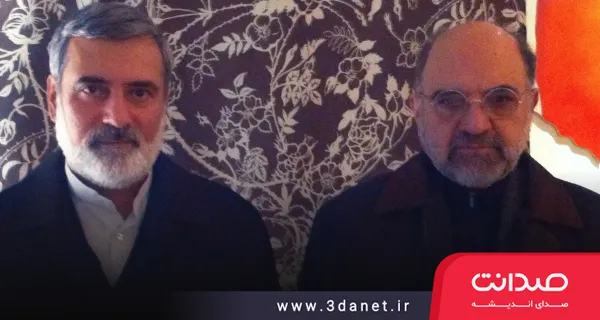
Abbasali Mansouri (Faculty Member, Department of Islamic Philosophy, Razi University)
.
.


Discussion2 comments
به علت عدم شناخت والدین همیشه از نمرات متوسطی برخوردار بودم...در مقطع سوم راهنمایی از بی انگیزگی رد شدم و دوباره خواندم...در دبیرستان هم همینطور...هنرستان کارو دانش. کامپیوتر خوندم...در دبیرستان بود که متوجه شدم به ادبیات علاقه مند شدم اما توجهی نکردم...خدمت سربازی متوجه شدم که عاشق علوم دینی ویژه عرفان اسلامی هستم...شروع به مطالعه کردم از طریق عرفان و تصوف با فلسفه آشنا شدم بعد منطق...برای کسب درآمد روانشناسی خوندم در روانشناسی با روانکاوی آشنا شدم...در هیچ کدوم از این علم ها به هیج عنوان مجتهد نیستم...و قرار هم نیست باشم...اما به واسطه فراگیری این مهارت ها با انسانهای خوبی آشنا شدم به واسطه این آشنایی ها عادت های خوب کسب کردم...مسیر زندگیم تغییر کرد...در محدوده ی خودم تاثیری که این مهارت ها در زندگیم گذاشت قابل وصف نیست...من مجتهد نشدم اما با این مهارت های اندک و کاربردی زندگی من متحول شد و سبب کمک و راهنمایی به انسانهای زیادی شد...مجتهد نشدم اما انسان شدم...و هنوز در حال انسان شدنم
بسیار عالی و کاربردی...