Philosophy
A Series of Conversations with Professor Michael Ruse; Session One: The Compatibility of Religious Faith with Darwinian Evolution and Professor Ruse’s Reasons for Agnosticism
Michael Ruse, a philosopher of science, sees Darwinian evolution as compatible with religious faith and does not consider a literal interpretation of scripture necessary. He attributes his agnosticism not to science, but to the problem of evil and historical suffering.
A Series of Conversations with Professor Michael Ruse
Session One: The Compatibility of Religious Faith with Darwinian Evolution and Professor Ruse’s Reasons for Agnosticism
In the Name of God, the Exalted
Interview with Michael Ruse, Philosopher of Science and Biology
Interviewer: Masoumeh Shahgordi, Writer and Translator
Date of Interview: July 26, 2020
Mr. Michael Ruse, could you please explain a little about the theory of human evolution for us?
Very well. I will first turn to Christian culture. It is clear that traditional Christians carry with them a picture of human origins. Where we came from. And of course, in this context, the Bible is what you turn to, and the Bible specifically tells us that we humans are special, because we were created in the image of God.
So this is a particular picture of the human being. But then he ate the apple and committed sin, and for this reason, we, who were created by a good God, were sinful. And is this why we do bad things? In Christian belief, one could say this is metaphorical. I do not accept something literal like creation in six days or anything like that. But if someone who is a Christian says I accept this, I say very well, I personally do not accept it.
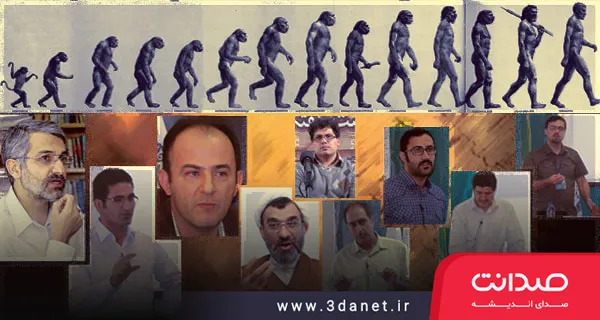
Now I will start with Darwin and his Origin of Species in the nineteenth century. Darwin said that we are descended from animals. Like other animals. And we share a common origin with them. He did not know when, perhaps four billion years ago. And that we evolved from reptiles, from fish, and from apes, arriving at where we are today. And we are their cousins; their relatives. And that humans evolved from animals. I know that many people like Richard Dawkins tell you, very well, then Christianity must be wrong. And what I say is, no; I do not think such a conclusion follows. Certainly, you cannot believe in a literal six days of creation. But Christians believed in that for a long time. It is clear that traditional Jews were not scientists. And God could not speak to them in scientific terms. God spoke to Moses. I [who speak the language of science] tell you about natural selection. But God had to speak metaphorically. So someone like Richard Dawkins says the two are in conflict. I want to say no. Perhaps I do not accept Christianity or another religion, but the reason is not scientific; rather, my problem is with what philosophers call the problem of "evil." I do not understand how a good God could allow the suffering of so many people to happen in World War II.
Well, let us return to our subject. So if we were animals, does this mean we must be like monkeys, like tigers, or the like, and just fight with each other? Certainly not.
I am a man, you are a woman. How is it that we cannot have a proper, normal conversation? Evolution does not necessarily tell us that we must constantly be at war with one another. If there is a loaf of bread on the table and we are both hungry; and if we fight, if you take the bread from me, I will remain hungry. But it could have been me in your place, and I take the bread from you. Then you would remain hungry. Does not evolution say it is better that we cooperate and divide the bread into two parts, each of us having half the loaf? Half a loaf of bread is better than none. So humans can cooperate. Not always, but sometimes. In my opinion, the coronavirus has illuminated this very well. How hard it is for people not to be able to have contact and socialize with each other. As soon as someone goes to the beach, thousands of others go to the beach because they like to have contact with one another; to socialize. For this reason, I think cooperation is an important tool that we have.
So what other tools do we have? We don’t have claws and teeth like tigers. We are adapted for cooperation at every moment. We are adapted in such a way that we get along with one another. Consider an example in an animal like a dog. When a female arrives, all the males want to win her. Suppose, for instance, there is a lady in my class and I am teaching, and suddenly ten men enter and all want to win that lady… So we are adapted to socialize well with one another. I respect your marriage. You are committed to a man, and he is committed to you, such that you have no relationship with anyone other than your spouse.
Our moral code tells us that this is a good thing. You don’t have to spend all your time pursuing another person’s wife. And you don’t have to spend all your time thinking about what your spouse will do when she leaves the house. So this is the way morality works. I want to say that morality is not a miracle. It is part of human nature. I want to say that if, for example, you believe that God created man in His own image, surely one of the things God wanted to create was morality. God did not want anyone to suffer in the Second World War. That event was evil. A Christian, a Jew, a Muslim, and a Buddhist would say that being in the image of God means living morally like God. God wanted people to be kind and helpful. I want to say that I see no reason why someone shouldn’t say, I am a Christian, or a Muslim, or a Jew, but I am also a Darwinian. I am an evolutionist. Because I don’t think that you come into existence with a boom… and boom… here I am… and something appears suddenly.
And look at the apple. For instance, your great-great-great-great-grandmother was a monkey, and so was my great-great-great-great-grandmother. And she had children until it came to me. Or I want to say that, in my view, there is no contradiction or problem between being a Christian, a Muslim, a Buddhist, or a Hindu and simultaneously doing scientific work and thinking about understanding the world and how to cooperate with the world we live in. Many Christians, Muslims, or Jews say that if you try to discover the extraordinary world that God has created, you are honoring Him. This is not an act against God.
Professor, I have seen that you believe in the existence of some invisible things like dinosaurs and the wave theory of light or molecules, but not in God?
I don’t see molecules, nor do I see dinosaurs. But we have the skeletons of dinosaurs. We have a theory that explains that dinosaurs existed. We don’t know exactly when dinosaurs existed, but we have found their fossils. More importantly, no one has been able to find dinosaurs precisely at the time of the Earth’s formation. We know almost exactly when dinosaurs became extinct. And more importantly, the primitive creatures before the dinosaurs, and that dinosaurs were the ancestors of other later creatures that we call birds. Yes, we know that birds are descended from dinosaurs. And when you look at the skeletons of birds and dinosaurs and the skeletons of monkeys, you see the similarities among their skeletons and you say: Oh. I think that birds are descended from dinosaurs, not from mammals. I think a great many of the conflicts that occur are truly unnecessary.
I see that science tries to provide answers. If I were a scientist, I would ask: Where did you come from? I ask the person you live with. The children around you. All such questions.
But if I were religious, I would ask what is the purpose? Why does such a thing happen? Why is there something rather than nothing? Why does all of this exist? And… I don’t think these are scientific questions.
So science says, take the universe and try to explain it, and it goes back to the Big Bang and so on. These are scientific questions.
I ask someone who is religious why some beings are intelligent, thoughtful, and so on, and whether they have a special place in the universe?
اما چیزی که آدم مذهبی در پاسخ به اینکه چرا چیزی وجود دارد - بجای هیچ چیز – این است: چون خدا ما را آفریده است و چون خدا خوب است و چون کار او آفرینش است. و خدا دوست دارد که موجودات مثل خودش باشند. در مسیحیت، در بیان دلیل اینکه چرا خدا ما را دوست دارد اینطور گفته میشود: چون ما مثل بچههای او هستیم. و همانطور که ما فرزندانمان را دوست داریم، پس خدا هم ما را دوست دارد، ولی وقتی مادری که عاشق فرزندانش است به آنها نه میگوید به معنی توهین به آنها نیست. نه؛ به این معنی نیست. اینکه مثلاً بگوید. نه. این کار را انجام نده. یا من فکر نمیکنم که فلان کار، کار خوبی باشد که انجام بدهی یا اینکه با فلانی بازی کنی. یا اگر فلان کار را انجام بدهی آدم نامهربانی خواهی بود پس فلان کار را انجام نده...
پس دوست داشتن، همیشه به این معنی نیست که من فلان چیز، فلان چیز و فلان چیز را به تو میدهم، و به همین ترتیب هرچیزی که از من بخواهی به تو میدهم. اینها سوالات علمی نیستند. یک دانشمند ممکن است بگوید چرا شما با دیگران معاشرت اجتماعی دارید. این یک سوال علمی است. اما سوال مذهبی این است که چرا شما از نوع موجوداتی هستید که وجود دارید تا چنین کارهایی را انجام دهید. چه هدفی از این «بودن» وجود داشته است؟
همینطور است دربارۀ مردن. علم میگوید خب وقتی مُردی بدن چه میشود؟ و پاسخ میدهد که وقتی شما میمیرید این دقیقاً به معنی پایان یافتن هستی و وجود داشتن شماست. و به همین ترتیب ادیان مختلف هم پاسخهای مختلفی به این پرسش میدهند. مثلاً مسیحیت میگوید خب شما احتمال دارد رستگار شوید یا اگر هم خیلی خوب نباشید به جهنم میروید و یک بودائی میگوید نه. وقتی که شما بمیرید دوباره و دوباره و دوباره زندگی خواهید کرد.
پس من میگویم علم و دین طوری هستند که نمیتوانند با هم تضاد داشته باشند چون درباره دو چیز مختلف صحبت میکنند.
واضح است که دین گاهی ادعاهایی دارد مثل یک سیل کامل در تمام جهان در گذشته، طوری که فقط ده نفر نجات پیدا کردند و اینکه این اتفاق افتاده است. اما علم میگوید نه. هیچ مدرکی برای یک سیل جهانی وجود ندارد. شاید در یک بخش کوچکتری بوده باشد؛ که من این را انکار نمیکنم همانطور که کتاب مقدس این را میگوید. پس آیا از این نتیجه بگیریم که علم و دین میتوانند با هم تضاد داشته باشند؟ نه. ضمناً من فکر میکنم اینقدر که طوفان [نوح] در مسیحیت مهم است در اسلام مهم نباشد. خب خدا خواست تمام آنها را نابود کند؛ غیر از نوح و چند نفر دیگر. اما آخر داستان چه اتفاقی میافتد؟ زمانی که کشتی به خشکی مینشیند. آخر داستان چیست؟ آخر داستان را در انگلستان هیچوقت به بچهها نمیگویند. نوح بدون لباس در گوشهای افتاده بود. بچهها رفتند بیرون و گفتند: اوه پدر را ببینید. او یک آدم احمق است.
پس من این داستان را داستان بسیار مهمی میدانم که میگوید این سادهلوحی است اگر بگویید همۀ شما باید از بین بروید... این فایدهای ندارد. پس اگر به مشکلی برخوردید، نگویید همۀ شما باید از بین بروید. بنشینید و درباره آن فکر کنید. به مشکل خوردید نگویید خب همۀ مردم باید از بین بروند. مثل جریان عراق و بوش. به این داستان خوب فکر کنید.
پس من شخصاً هیچگونه تضادّی بین مسیحیت یا اسلام با علم نمیبینم چون من داستان طوفان نوح را یک تبیین تحتاللفظی از چیزی که اتفاق افتاده باشد نمیبینم. شاید در منطقۀ محدودی این اتفاق افتاده باشد. من این را رد نمیکنم. اما من فکر میکنم که داستان طوفان میخواهد چیزی را دربارۀ شرایط بشر، و اینکه چگونه باید رفتار کنیم به ما میگوید. من واقعاً هیچ تضادّی برای هندو یا بودائی بودن و داشتن یک دیدگاه مذهبی و درعین حال یک دانشمند بودن نمیبینم.
پس شما ممکن است بپرسید که خب اگر شما تضادی نمیبینید چرا مسیحیت را قبول ندارید؟ خب همانطور که گفتم، این یک موضوع دیگر است. انتقادات من نسبت به مسیحیت همانطور که گفتم، به دلایل علمی نیست. من شخصاً نمیتوانم خودم را متقاعد کنم که چگونه یک خدای خوب میتواند به رنج بشر، بخصوص بچههای کوچک در جنگ جهانی دوم یا امروز، راضی باشد. من نمیتوانم خودم را متقاعد کنم که یک خدای خوب اجازه دهد چنین اتفاقاتی بیفتد. خب شاید شما بگویید خب خدا همۀ اینها را به یک نتیجهای میرساند. من میگویم: خب من این را نمیفهمم.
This does not mean that I am an atheist. I do not want to say that there is no God, as Richard Dawkins says. I say that for me this matter is not comprehensible; and that I do not understand it.
Here, the world is astonishing, a wondrous world, and I just say that I do not know. The world is an extraordinary world. For instance, I do not understand the problem that philosophers call the “mind-body” problem. You sitting there, what I see is that you are just a bunch of molecules. That is what you really are. Yes, molecules. But can a molecule think? How is it that we put a bunch of molecules together and suddenly, we find something different… .
.
.
The Second Session of this Conversation
.
.

Discussion5 comments
من فکر میکنم، اخلاق بین انسانها، خود ناشی از روند تکامل است.ا خلاق تا حد زیادی ضامن بقای جوامع انسانی بدوی و کوچک تا بزرگ و مدرن است.و حفظ قبیله برای حفظ نوع بشر و تداوم نسل ضروری است. انسان به تنهایی توانایی مقابله با طبیعت اطراف را نداشته،نیاز به باهم بودن بوده. پس روز به روز آن صفاتی که باهم بودن افراد و همکاری بین آنها را ممکن میکرده در بین نسلها تقویت شده و اخلاق به این صورت تکامل پیدا کرده.
کاش کتابهای ایشان ترجمه می شد کتابهایی دل نواز و اندیشه نواز بحث علم و دین دیالوگ ها
توسط همین خانم ترجمه شده
باید از آقای روس پرسید: این کُد اخلاقی را از کجا انسانها کسب می کنند؟ اینکه انسان انتخاب می کند که زیست اخلاقی داشته باشد با نظریه داروین تناقض دارد! انسان با عقل انتخاب می کند که اخلاقی باشد . هر انسانی که به دنبال اثبات وجود خدا برود ,, در واقع به دنبال (وحدت عددی) رفته است. خدا جزء قضایای فکری و نظری است. تمام ادله اثبات وجود خدا,, دلیل نیستند,,بلکه همه جزء تنبیهات هستند . ادله به "وجود" تعلق نمی گیرد,, بلکه به (مستدل ) تعلق می گیرد. هنگامیکه چیزی مجهول را برای جاهل اثبات می کنیم ,, فقط و فقط برای رفع جهل است و نه اثباتِ مجهول. استاد وقتی چیزی را اثبات می کند,, ادله استاد برای رفع جهل از آن چیز است و نه اثباتِ آن چیز؟ ادله برای اثبات خداست و نه ادله ثبوتِ وجودِ خدا. "ثبوت" به متن واقع می خورد و" اثبات" برای( رفعِ جهل )است. اشخاصیکه در مقامِ اثبات حرف می زنند , در مقام ثبوت نیستند. مقام ثبوت ,, مقام( سکوت) است. (سکوت) متنِ وجود است. هنگامیکه در سخن هستیم در مقام اثبات کردن موضوعی و یا سوژه ایی هستیم و می خواهیم آن چیزی را که در خارج هست , اثبات کنیم.. ما وجودیم,, از وجودیم و به سوی وجود می رویم. انا لله و انا الیه راجعون..
1- مقام " ثبوت " هیچ ارزشی ندارد و بمثابه " هیچ " است . یعنی چی ؟ مثلا وجود " موجودات هوشمند در کرات دیگر " ، چیزی است که شاید وجود داشته باشد ( مقام ثبوت ) ، ولی تا وقتی برای ما " اثبات " نشده ، ادعای وجود داشتن آن احمقانه است . جناب " خدا " هم شاید وجود داشته باشد ( مقام ثبوت ) ، ولی تا وقتی شواهد و قرائن ، به نفع او گواهی ندهند ، پذیرش خدا (خداباوری ) ، غیر عقلانی است . مقوله " وحی " محال عقلی نیست ، ولی وقتی هیچکدام از ادیان ، واجد یک دلیل نیم بند هم نیست ، پذیرش آن حماقت است . 2- خانم بیتا مدعی شده " اخلاق نافی داروینیسم است " .اولا که تئوری داروینیسم ( و بل که قانون داروینیسم ) یک تئوری صددرصد علمی و تجربی است ، و هر چقدر که سایر تئوریهای علمی مورد تایید هستند ، این نظریه نیز مورد تایید است . پس با سلاح علم نمیتوان نافی داروینیسم شد . دوم آنکه خانم بیتا فرض کرده اند که " اخلاق " یک مقوله " غیر علمی " است ، و سپس سعی دارند با یک مقوله " غیر علمی " به یک " مقوله علمی " حمله کنند . اشتباه ایشان اینست که اتفاقا " روانشناسی تکاملی " ( علم ) ، برای پیدایش اخلاق " تبیین " دارد . سوم آنکه چه خوب که اخلاق سیر تکاملی دارد . مثلا اگر قرار بود ما مطابق اخلاق قرآنی رفتار کنیم ، برده داری ، تصاحب زنان در جنگ ( اعم از شوهردار و باکره ) ، زدن زنان ، کشتن دگراندیشان ، و ... مجاز میبود . 3- مایکل روس میگوید مدعیات ادیان سمبلیک است . به زعم من این ترفند ، حیله گرانه و غیر قابل دفاع است . چرا ؟ زیرا حد یقف ندارد . مثلا کسی هم پیدا میشود و میگوید خود واژه " خدا " هم سمبلیک است . اینکه هر جا مدعیات ادیان توسط " علم " باطل شود ، انها را سمبلیک بخوانیم ، حیله گری و تزویر است . مثلا میگوییم ادم و حوا خلاف علم و تجربه است ، میگویند سمبلیک است . میگوییم ستون داشتن اسمانها خلاف علم است ، میگویند سمبلیک است . حالا بماند داستان بی سرانجام و فیصله نیافته محکم و متشابه و ناسخ و منسوخ و غیره .