Religion
A Series of Talks by Naeimeh Pourmohammadi Entitled “Modern Theology”
Traditional theology faces challenges such as suffering and the environment; in his 'Modern Theology' lectures, Pourmohammadi explains how new images of God are being offered to address these issues and embrace human diversity.
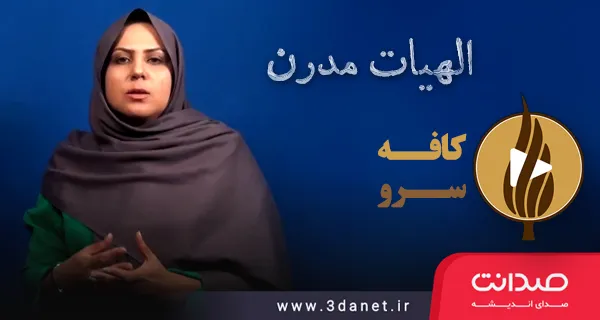
A Series of Talks by Naeimeh Pourmohammadi Entitled “Modern Theology”
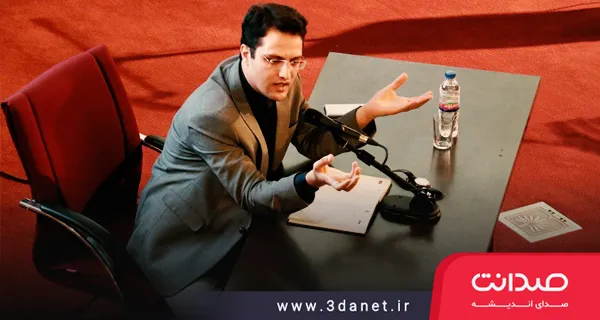
Naeimeh Pourmohammadi (supervisor of the translators of the book On Evil); Assistant Professor of Philosophy of Religion at the University of Religions and Denominations
The “classical image of God” in traditional theology has always faced challenges:
If God is the absolute sovereign, how can we be free in the true sense of the word?;
If God loves humanity, why do we suffer?;
If God has absolute providence, why do we pray at all?;
If domination, supremacy, and subjugation are perfection, why should we pay attention to and care for our environment at all?;
If power, knowledge, masculinity, light, and brightness are perfection, what will become of the disabled, women, and Black people?;
If God does not suffer, does not regret or despair, does not lament, and does not become joyful, sorrowful, or wrathful, how can certain passages of the Bible be interpreted?...
“Traditional fundamentalist theology,” which is the “theology of the perfect being,” depicts a God who is “omniscient,” “omnipotent,” “pure good,” “the perfect lover,” “the unquestionable free agent,” “the absolute sovereign of the world,” “transcendent and removed from the world,” “incorporeal and bodiless,” “outside of history and outside of time,” “eternal and everlasting,” “unbegotten and unbegetting,” “fixed and static,” “without change, transformation, influence, or affectability,” and “non-relational and non-reactive.” But this classical model of God has not only lost its utility and influence in the modern era, but it also ends up harming humanity, destroys the environment, fails to recognize the diversity of healthy and disabled humans, women and men, Black and white, and fuels discrimination and injustice, and...
However, in the twentieth century, “modern theology” offers “new and transformed images of God” to address these challenges:
The God of “protest theology” is an indifferent and autocratic God; in contrast, the God of the “theology of God’s weakness” cares about people’s condition and suffers with and for the people.
The God of “process theology” does not have controlling power over the world to change anything; in contrast, the God of “open theism” retains power but is not omniscient so as to know in advance and change circumstances in humanity’s favor.
The God of “skeptical theology” is a God about whom we do not know much and cannot know much; in contrast, we know the God of “death of God” theology died to bring the world to life.
The God of “environmental theology” is a loving God for whom nature, as His beloved, is sacred and must be preserved; likewise, the God of “feminist theology” is a female God and a motherly God who, instead of the attributes of wrath and tyranny, seeks to create relationships, give birth, nurture, and care; also, the God of “disability theology” is a God with a disability who accepts everyone’s body and mind as they are and does not seek a perfect body or perfect mind. These examples are the “diverse images of God in modern theology.”
.
.
Videos of Naeimeh Pourmohammadi’s Series of Talks Entitled “Modern Theology” on Aparat
Introduction
Part One: (Protest Theology)
Part Two: (Theology of God’s Weakness)
Part Three: (Narrative Theology)
Part Four: (Process Theology)
Part Five: (Open Theism)
Part Six: (Skeptical Theology)
Part Seven: Death of God Theology
Part Eight: Existentialist Theology
Part Nine: Environmental Theology
Part Ten: Liberation Theology
Part Eleven: Feminist Theology
Part Twelve, the Final Part: Disability Theology
.
.
By the Efforts of Café Sarv
Café Sarv is a place for writers and culture enthusiasts to gather, honored by the presence of friends from the realms of thought, culture, and art.
.
.

Discussion1 comments
عرض سلام ادب و احترام از صمیم قلب با تمام وجود بی ریا و بی تکلف از این همه کرامتتان در اشاعه مطالب ارزشمند تقدیر و تشکر می کنم و خواهشمندم فیلم های موجود در وب سایت مخصوصا مجموعه گفتارهای استاد نعیمه پورمحمدی را به فایل صوتی تبدیل و در اختیار علاقه مندان قرار دهید، لطفا