Religion
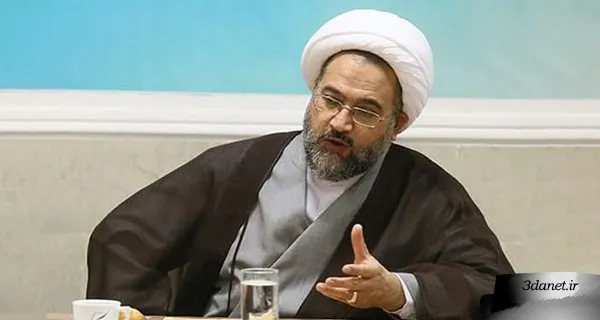
Abolqasem Alidoust: Martyr Motahhari's Writing Was Not Free from the Faults of Youth
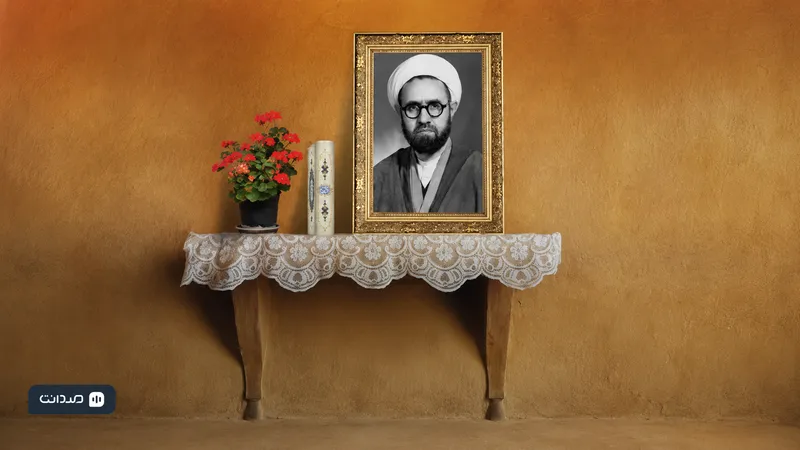
The publication of Shahid Motahhari's private drafts, written under the influence of 'the afflictions of youth,' is beneath the dignity of public release. Moreover, the unwarranted generalizations about the clergy contained within them are inconsistent with historical evidence, and their current publication is fallacious.
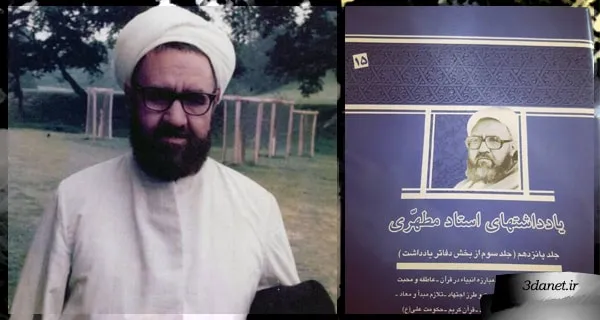
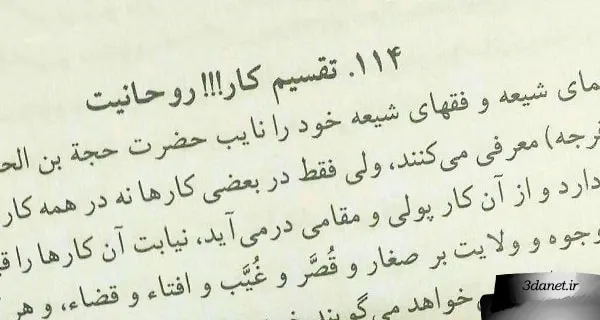
These days, in one of the Telegram channels, a draft from among the drafts of the 1950s attributed to Martyr Motahhari has been published. This note, written in the prime of Martyr Motahhari's youth and perhaps not free from the faults of youth, was penned under specific circumstances and about particular clerics who, in those days, did not fulfill the youthful aspirations of Martyr Motahhari. The state governing the text is such that today, if Martyr Motahhari were still alive, he would keep it in his album of memories and, at the very least, would not release it for public dissemination in this condition.
The publication of this note on Telegram and making it accessible to everyone has prompted the recollection of the following points:
First) Book-making with Unready Drafts; a Disagreeable Method
Martyr Motahhari's private drafts, like the notes of all other researchers, are often nothing more than a handful of hypotheses, and the nature of a hypothesis is that it may change during the research process. If sufficient attention is paid to the meaning of "thought" and "book" and the relationship between these two elements, it will be acknowledged that publishing a researcher's private and unprocessed notes is, firstly, contrary to the proper culture of reading (would that the custodians of Sadra Publications had not committed this shortcoming from the beginning!) and secondly, since such notes are usually raw and unprocessed, their publication is also a manifest injustice to that dear martyr, because such an act is akin to dragging someone out of their house in their nightclothes and taking them to the very place where they always appeared in formal and well-groomed attire (it is a parable, so heed it)!
Second) Fallacious and Unjustified Generalization in the Note Itself
In this draft, it is claimed that the clergy has divided the labor and performs effortless and self-interested tasks, such as collecting religious dues, with enthusiasm, but does not undertake laborious tasks like social reforms (!) If (as the publishers of this note are insinuating) this judgment concerns the entirety of the clerical establishment, then throughout the history of the clergy, why were the First and Second Martyrs executed? Why was Qazi Nurullah Shustari sent to the gallows? Who stopped the manifest oppression inflicted upon the people in the Tobacco Concession?
Why was Sheikh Fazlollah Nouri martyred openly in Tehran and Akhund Khorasani martyred covertly in Najaf? Why was Seyyed Hassan Modarres martyred in the desolation of Kashmar? Why was Mohammad Taqi Bafqi flogged in Qom? If the clergy were not fulfilling their duties, in that very 1950s when this note was written, for fear of whom did the Shah of Iran refrain from implementing his land reforms and other policies until the end of Ayatollah Boroujerdi's life? And ultimately, whose blood was it that stamped nullity on the two-thousand-five-hundred-year awe of Iranian kings and brought the Islamic Revolution of Iran to victory? Had the decision-making, decision-shaping, and organizing clerics of the clergy, who were among the teachers and companions of Martyr Motahhari at the time of writing this unseemly note, divided the labor as stated in this note?!!!
Third) The Fallacy of Anachronism in the Note's Publication!!
Undoubtedly, this draft by Martyr Motahhari was written under specific socio-political conditions and about specific shortcomings that he, with his own personal characteristics (especially his youth), thought existed within a segment of the clergy; it was written in a raw (and unpresentable) form, and it was his right (his alone) to process, edit, and revise his own preliminary drafts and, if he saw fit, prepare them for public release.
Such an unprocessed draft, which was written at another time and whose arrowhead of criticism was aimed at a specific group, is published at this time, and in the virtual space no less (where most users lack sufficient awareness of the specifics of that time), and the arrowhead of its criticism is redirected elsewhere! Such an act is a clear instance of the "fallacy of anachronism," and from whomever it issues, it is unjustified.
.
.
Abolqasem Alidoust: Martyr Motahhari's Writing Was Not Free from the Faults of Youth
Author: Abolqasem Alidoust
.
.

.webp)
.webp)
Discussion0 comments
No comments yet; let yours be the first voice.