Political Science
Charter of Citizens' Rights
Invoking the Constitution and human dignity, the government has proclaimed the Charter of Citizens' Rights—a document that underscores the observance of freedoms, justice, and non-discrimination, and affirms the government's commitment to working with other branches of power to realize these rights and address their violation.

The contemporary history of Iran is a clear mirror of the ideals and demands of the Iranian people. The more than one-hundred-year history of the Iranian nation's quest for freedom and justice has witnessed proud examples such as the Constitutional Movement and the Islamic Revolution. Throughout this tumultuous era, the people of Iran have sought respect for sublime human dignity and honor, and the attainment of their rights. The durability of a government's legitimacy and power is secured through the satisfaction of its citizens and the fulfillment of their rights; as the Commander of the Faithful, Ali ibn Abi Talib (AS), stated: "God, the Glorified, has made the rights of His servants the foundation for His own rights; therefore, upholding the rights of God's servants will lead to the establishment of the rights of God Almighty."
In the Name of God, the Most Compassionate, the Most Merciful
"And We have certainly honored the children of Adam and carried them on the land and sea and provided for them of the good things and preferred them over much of what We have created, with [definite] preference."
The great and cultured nation of Iran;
The contemporary history of Iran is a clear mirror of the ideals and demands of the Iranian people. The more than one-hundred-year history of the Iranian nation's quest for freedom and justice has witnessed proud examples such as the Constitutional Movement and the Islamic Revolution. Throughout this tumultuous era, the people of Iran have sought respect for sublime human dignity and honor, and the attainment of their rights. The durability of a government's legitimacy and power is secured through the satisfaction of its citizens and the fulfillment of their rights; as the Commander of the Faithful, Ali ibn Abi Talib (AS), stated: "God, the Glorified, has made the rights of His servants the foundation for His own rights; therefore, upholding the rights of God's servants will lead to the establishment of the rights of God Almighty."
Whereas the President has sworn before the Holy Quran and the Iranian nation to uphold the right, justice, and to support freedom, the dignity of individuals, and the rights of the nation as stipulated in the Constitution;
- With trust in God, the Benefactor, and following the conduct of the Holy Prophet (PBUH) and the Pure Imams (AS), and the thoughts of the great founder of the Islamic Revolution, and the emphases of the Supreme Leader on considering the people as a blessing and observing the rights of others;
- Invoking the "Rights of the Nation" clearly stipulated in the Constitution of the Islamic Republic of Iran, and considering that the government is obliged to observe and realize the right to life, enjoyment of human dignity, justice, freedom, and a decent life for all Iranian citizens, whether Iranians residing inside or outside the country, regardless of gender, age, level of material benefits, economic status, or physical, mental, and psychological health, socio-political orientation, lifestyle, religious belief, race, ethnicity, and language;
- Considering that citizenship rights are based on principles such as human dignity, the protection of inalienable rights and freedoms, popular sovereignty, the enjoyment of equal human rights by all people, the prohibition of discrimination, and equal protection of the law for all members of the nation;
- Considering that the realization of civil and political rights and freedoms, including freedom of thought, expression, and access to and exchange of information, freedom of the press and media, the right to critique, comment, and public oversight, the right to residence and freedom of movement, the right to citizenship, the right to self-determination and the proper administration of the country's affairs based on public opinion through a sound, transparent, and competitive electoral system and free referendums, the right to establish, manage, join, and be active in civil and trade organizations, parties, and associations, the right to freely participate in assemblies and marches, and other rights, is only possible through the commitment, accountability, and political will of the government;
- Considering that people's participation in social life is contingent upon citizens' non-discriminatory enjoyment of the right to a transparent and competitive economic system, the right to property, the enjoyment of housing, nutrition, and safe drinking water, comprehensive welfare and social security, health and medical services, decent work and employment, education and higher education, and participation in cultural life;
- Considering that the participation, cooperation, and accountability of individuals, groups, and governments are essential for the realization of the right to development, the right to a healthy environment, the right to cultural identity, the right to peace and the rejection of violence and hatred, and the right to communication, at the national and international levels;
- Whereas the government considers it its duty, in cooperation with the other branches of power, to secure civil liberty and security, access to justice and fair trial, the inviolability of private life from any unlawful intrusion, the prohibition of wiretapping, inspection, surveillance, inquisition of beliefs, and unlawful disclosure of information, arbitrary detention of individuals, and any form of torture or compulsion to give testimony, confession, or oath for all citizens, and to pursue the observance of the presumption of innocence, the principle of legality of crimes and punishments and the jurisdiction of the authority hearing the charge, the clarification of crimes, and the observance of the rights of the accused and the convicted, especially in political and media offenses, the right to a fair, public, and non-discriminatory trial, and the right to choose or benefit from a lawyer;
- Whereas the realization of citizenship rights is impossible without the awareness, capability, and responsibility of citizens regarding public rights, duties, and interests;
A- I declare that the government, in cooperation with the other branches and pillars of governance, within the limits of its jurisdictions, resources, and facilities, and within the framework of the Constitution, will undertake the following:
- Raising awareness, capacity-building, and promoting public culture, and increasing the sensitivity, commitment, and skills of the agents of governmental and non-governmental institutions in safeguarding citizenship rights;
- Encouraging, supporting, and attracting the participation of individuals, experts, civil and private associations, and institutions to promote public culture, expand public demands, and counter any encroachment on citizenship rights;
- Paying attention to the principle of non-discrimination and the equality of all individuals and groups before the law, without any consideration such as gender, ethnicity, religion, and socio-political orientations, and pursuing the implementation of this principle by the other branches and institutions;
- Endeavoring to uphold the instances of the principle of human dignity and pursuing its implementation by the three branches of power and institutions; including the strict prohibition of any insult or humiliating treatment of the people by officials and agents;
- Formulating non-judicial procedures and methods to counter violations of citizenship rights, with the aim of facilitating the lodging of objections and complaints and their handling in the shortest possible time;
- Expanding scientific and applied studies and research to identify the challenges and obstacles facing the realization of citizenship rights and to find practical solutions within Iran's legal system, and undertaking corrective and compensatory measures;
- Formulating quantitative and qualitative indicators for monitoring and evaluating the activities of all executive bodies in the field of citizenship rights;
- Supporting public oversight, especially through public institutions and media, in identifying, criticizing, and analyzing the grounds for violations of citizenship rights, and safeguarding the country's media environment, particularly media that use public funds, against unethical and irresponsible actions, spreading falsehoods, accusations, satire, mockery, and aggression aimed at damaging the dignity, reputation, and sanctity of individuals;
- Continuous planning and effort, in cooperation with the other branches, governing bodies, public authorities, and non-governmental institutions, to create coordination and coherence in the observance of citizens' rights and to find appropriate legal solutions;
- Preventing the creation of grounds for violations of citizenship rights, especially systematic and repeated violations, by using the maximum facilities of the executive branch and in cooperation with the other branches and public and civil institutions;
- The commitment of executive managers and officials to observe citizenship rights in all planning, policymaking, decisions, and actions;
- Legal action against the abuse of power in encroaching upon citizenship rights.
B- Whereas the President is obliged to implement the Constitution and to safeguard, protect, and support the freedom, dignity of persons, and the rights of the nation:
- Based on Article One Hundred and Thirty-Four of the Constitution of the Islamic Republic of Iran, I proclaim the "Charter of Citizens' Rights" as the program and policy of the government for the observance and advancement of the fundamental rights of the Iranian nation.
- I will formulate the necessary bills regarding citizenship rights and submit them to the Islamic Consultative Assembly, and I am confident of the cooperation of the other branches in providing the grounds for its implementation.
- For the realization of the Charter of Citizens' Rights, I will give serious consideration to cooperation, good interaction, and constructive relations with the Islamic Consultative Assembly, the Judiciary, the Expediency Discernment Council, the Guardian Council, the Islamic Republic of Iran Broadcasting, the military and law enforcement forces, the Islamic City and Village Councils and the Supreme Council of Provinces, and other institutions;
- I ask the Grand Sources of Emulation, seminary and university professors, specialists and experts, political parties, the media, non-governmental organizations, and all citizens to assist the government and other branches and governing bodies in the realization and full implementation of this Charter, as well as in strengthening and expanding the discourse of citizenship rights, by offering their views and reminders;
- I order the agencies subordinate to the Executive Branch to undertake the necessary legal and structural groundwork, as well as the required cultural and educational efforts, for the precise implementation of the Charter of Citizens' Rights.
- I order the agencies subordinate to the Executive Branch, with the participation of the non-governmental sector, especially political parties, associations, and non-governmental organizations, to proceed with determining the instances and elaborating on citizenship rights within the scope of their activities, responsibilities, and authorities, and to identify the most important and most common instances of violations of citizenship rights and adopt the necessary legal measures to realize these rights, particularly through education, information dissemination, capacity building, and expanding the culture of dialogue and interaction in the public sphere.
- I will adopt the necessary measures, in cooperation with other branches, for the development, strengthening, and reform of the capacity of existing institutions, both governmental and non-governmental, to advance citizenship rights.
- I obligate the agencies subordinate to the Executive Branch to prepare and approve, within six months of the announcement of this Charter, a
S- Right to Employment and Decent Work 10
Z- Right to Welfare and Social Security 11
T- Right to Cultural Access and Participation 11
Z- Right to Education and Research 12
A- Right to a Healthy Environment and Sustainable Development 13
Gh- Right to Peace, Security, and National Sovereignty 14
Legal References for the Articles of the Charter of Citizens' Rights 16
In the Name of God, the Most Compassionate, the Most Merciful
Absolute sovereignty over the world and humanity belongs to God, and it is He who has made humanity sovereign over its own social destiny. No one can deprive human beings of this divine right or place it in the service of the interests of a specific individual or group. The Iranian nation has exercised this right through the principles of the Constitution; and pursuant to Principles 113 and 121, has vested the responsibility for implementing and safeguarding the Constitution in the President. The President, who has sworn before the Holy Quran and the Iranian nation to God to uphold the right, expand justice, and protect the freedom and human dignity of individuals and the rights of the nation as set forth in the Constitution, proclaims the "Charter of Citizens' Rights" as the program and policy of the government for observing and advancing the fundamental rights of the Iranian nation.
This Charter has been formulated with the aim of realizing and enhancing citizens' rights and for the purpose of compiling the "program and policy of the government," as per Principle 134 of the Constitution, and comprises a set of citizens' rights that are either recognized in the sources of Iran's legal system or for whose recognition, creation, realization, and implementation the government will undertake serious and comprehensive efforts through reforming and developing the legal system, drafting and pursuing the approval of legal bills, or any necessary legal measure or action. Achieving this goal requires the cooperation of other branches of government and institutions, as well as the participation of the people, associations, trade unions, non-governmental organizations, and the private sector.
The various articles of this Charter must be interpreted and implemented in harmony and consistency with one another and within the framework of the existing legal system, and must not lead to a reduction in the rights of Iranian citizens or the rights of nationals of other countries recognized in the laws or international obligations of the country.
A- Right to Life, Health, and Quality of Life
Article 1- Citizens have the right to life. This right cannot be taken away from them except by law.
Article 2- Citizens have the right to a decent life and its necessities, such as sanitary water, adequate food, health promotion, environmental hygiene, appropriate treatment, access to medicine, equipment, medical, therapeutic, and health goods and services conforming to the standards of modern knowledge and national standards, and healthy and favorable environmental conditions for the continuation of life.
Article 3- It is the right of women to benefit from appropriate health and medical programs and facilities, and suitable education and counseling to ensure physical and mental health in personal, family, and social life at various stages of life, especially during pregnancy, childbirth, postpartum, and in conditions of illness, poverty, or disability.
Article 4- Children have the right, regardless of gender, to be specifically protected from any discrimination, abuse, and exploitation, and to benefit from appropriate social support, including in the area of health, care against mental, psychological, and physical illnesses, and healthcare and medical services.
Article 5- Persons with disabilities (citizens with disabilities) and needy elderly persons have the right to benefit from medical and rehabilitation facilities for recovery and/or empowerment towards independent living and participation in aspects of life.
Article 6- Citizens have the right to enjoy an environment conducive to the growth of moral and religious virtues and spiritual transcendence. The government shall employ all its resources to provide the necessary conditions for the enjoyment of this right and shall combat moral vices in society, including lying, hypocrisy, flattery, intolerance, indifference, hatred, distrust, extremism, and discord.
B- The Right to Human Dignity and Equality
Article 7- Citizens enjoy human dignity and all benefits provided for in laws and regulations equally.
Article 8- Any form of unjust discrimination, especially in citizens' access to public services such as healthcare services and employment and educational opportunities, is prohibited. The government must refrain from any decision or action leading to class divisions, unjust discrimination, and deprivation of citizenship rights.
Article 9- The dignity and reputation of citizens are inviolable. No person, official, or media outlet, especially those using public funds and facilities, shall harm the reputation and dignity of others through insulting behavior or expression, such as satire and slander, even through quotation.
Article 10- Insulting, humiliating, or inciting hatred against ethnicities, followers of religions and denominations, and various social and political groups is prohibited.
Article 11- Women have the right to active and influential participation in policymaking, legislation, management, execution, and oversight, and to enjoy equal social opportunities based on Islamic standards.
C- The Right to Civil Liberty and Security
Article 12- The individual and public freedoms of citizens are inviolable. No citizen may be deprived of these freedoms. Limitation of these freedoms shall only occur to the extent necessary and in accordance with the law.
Article 13- Every citizen has the right to enjoy security of life, property, dignity, legal, judicial, occupational, social, and similar securities. No official shall, in the name of providing security, violate or threaten the legitimate rights and freedoms of citizens and their dignity and honor. Illegal actions in the name of providing public security, especially violations of people's privacy, are prohibited.
Article 14- Citizens have the right, in the event of an illegal violation of their freedom and security, to have access to the authorities and officers providing public security in the shortest possible time and with the utmost ease. The said authorities and officers must provide their services without delay or discrimination, proportionate to the violation or threat faced by the citizens, and in compliance with the laws.
D- The Right to Participate in Determining One's Destiny
Article 15– Citizens equally enjoy the right to participate in determining their own political, economic, social, and cultural destiny and may exercise this right through referenda or free and fair elections.
Article 16– Citizens have equal rights to participate in and monitor the electoral process, to benefit from governmental facilities and privileges (including subsidies, radio and television advertising, and the like), to receive public contributions and other methods of financing electoral expenses, and to file complaints and objections concerning electoral violations before competent authorities.
Article 17– The decisions, actions, or statements of government officials and authorities, executive and supervisory agents, and military, law enforcement, and security personnel before elections, during the vetting of electoral candidates, and after elections must be entirely transparent, impartial, and lawful, such that not even the suspicion of fraud, violation, or support for a specific candidate or candidates arises.
Article 18– The Islamic Republic of Iran Broadcasting and all media that utilize public funds or property must observe complete impartiality at various stages of elections so that no suspicion of support for a specific candidate or candidates arises.
C– The Right to Good Administration and Sound Governance
Article 19– Citizens enjoy the right to sound administration of the country’s affairs based on the rule of law, efficiency, accountability, transparency, justice, and fairness. Observance of this right is mandatory for all officials and employees.
Article 20– It is the right of citizens that their administrative affairs be handled and concluded within a specified and reasonable time, in accordance with the law, impartially, and free from any personal gain-seeking or bias, kinship relations, political leanings, and prejudice.
Article 21– It is the right of citizens, should they deem the decisions of administrative bodies or their personnel contrary to laws and regulations, to seek the restoration of their rights by referring to competent administrative and judicial authorities.
Article 22– It is the right of citizens to be informed of administrative decisions and actions that in any way affect their legitimate rights and interests.
Article 23– Administrative authorities and officials must be accountable and accessible in their dealings with citizens, and should they reject a request, they must, upon demand, provide a written response and offer maximum guidance within the framework of their competencies.
Article 24– It is the right of citizens to have a government committed to observing good ethics, truthfulness, integrity, trustworthiness, consultation, safeguarding the public treasury, respecting people’s rights, attending to conscience and public opinion, moderation and prudence, and refraining from extremism, haste, arbitrariness, deceit, secrecy, and manipulation of information; and to accepting responsibility for its decisions and actions, apologizing to the people for mistakes, welcoming the views of opponents and critics, and appointing and dismissing on the basis of merit and ability.
D– The Right to Freedom of Thought and Expression
Article 25– Citizens enjoy the right to freedom of thought. The inquisition of beliefs is prohibited, and no one may be molested or reproached merely for holding a belief.
Article 26– Every citizen enjoys the right to freedom of expression. This right must be exercised within the limits prescribed by law. Citizens have the right to freely seek, receive, and disseminate opinions and information on various subjects using means of communication. The government must guarantee freedom of expression, particularly in the spheres of mass and social communications and cyberspace, including newspapers, magazines, books, cinema, radio, television, social networks, and the like, in accordance with the laws.
Article 27- Citizens have the right to express their thoughts, creativity, and feelings through various means of intellectual, literary, and artistic creation, while observing the laws and the rights of others.
Article 28- Citizens enjoy the right to criticize, express dissatisfaction, invite to good, and offer advice regarding the performance of the government and public institutions. The government is obliged to promote and expand a culture of accepting criticism, tolerance, and forbearance.
Article 29- The government supports the freedom, independence, plurality, and diversity of the media within the framework of the law. No authority has the right to exert pressure on the press and other media for the publication or non-publication of information or content contrary to legal standards, or to engage in censorship or control of publications and other media.
C- Right of Access to Information
Article 30- It is the right of citizens to have access to public information held by public institutions and private institutions providing public services. All agencies and institutions are obliged to continuously publish unclassified information needed by society.
Article 31- It is the right of citizens to have access to their personal information collected and maintained by individuals and institutions providing public services, and to request the correction of this information upon observing an error. Private information pertaining to individuals cannot be provided to others, except by law or with the consent of the individuals themselves.
Article 32- Children have the right to access information appropriate for their age and must not be exposed to immoral, violent, or any type of content that causes overwhelming fear or results in physical or psychological harm.
H- Right of Access to Cyberspace
Article 33- It is the right of citizens to freely and without discrimination benefit from the possibility of access, communication, and acquisition of information and knowledge in cyberspace. This right includes, among other things, respect for cultural, linguistic diversity, traditions, and religious beliefs, and observance of ethical standards in cyberspace. The imposition of any restriction (such as filtering, jamming, speed reduction, or network disconnection) without explicit legal authorization is prohibited.
Article 34- It is the right of citizens to enjoy the benefits of e-government and e-commerce, educational opportunities, and user empowerment in a non-discriminatory manner.
Article 35- It is the right of citizens to enjoy cybersecurity and communication and information technologies, protection of personal data, and privacy.
Article 36- It is the right of every citizen that his/her privacy be respected. The place of residence, private premises and objects, and personal vehicles are immune from inspection and search, except by law.
Article 37- The inspection, collection, processing, use, and disclosure of letters, whether electronic or non-electronic, personal information and data, as well as other postal items and telecommunications such as telephone conversations, fax, wireless, and private internet communications and the like, are prohibited except by law.
Article 38- The collection and dissemination of citizens' private information is prohibited except with informed consent or by law.
Article 39- It is the right of citizens that their personal information held by agencies and natural and legal persons be protected and safeguarded. Providing and disclosing individuals' personal information is prohibited, and if necessary, upon the request of competent judicial and administrative bodies, it shall be provided exclusively to them. No official or authority has the right to provide or disclose individuals' personal information to another without explicit legal authorization.
Article 40- Any bodily inspection and search must be conducted in accordance with the law, with due respect, and using non-degrading and non-harassing methods and tools. Furthermore, compulsory medical tests and procedures without legal authorization are prohibited.
Article 41- Unlawful audio and visual surveillance in workplaces, public places, shops, and other environments providing services to the public is prohibited.
Article 42- It is the right of citizens that their dignity and privacy be respected in the media and on public platforms. In the event of a violation of individuals' dignity and the infliction of material or moral harm, the perpetrators shall be liable and obliged to compensate for damages according to legal regulations.
D- The Right to Association, Assembly, and Procession
Article 43- Citizens enjoy the right to form, join, and be active in parties, associations, social, cultural, scientific, political, and guild societies, and non-governmental organizations, in compliance with the law. No one may be prevented from participating in them or compelled to participate in one of them. Membership or non-membership shall not result in the deprivation or restriction of citizenship rights or cause unjust discrimination.
Article 44- It is the right of citizens to have effective participation in policymaking, decision-making, and law enforcement through unions, associations, and guild systems.
Article 45- Civic activities in the areas of citizenship rights are the right of every citizen. Non-governmental organizations must have the right of access to information and a competent court for seeking justice regarding violations of citizenship rights.
Article 46- It is the right of citizens to freely and in compliance with the law, form assemblies and processions and participate in them, and to enjoy the impartiality of responsible agencies and the protection of the security of assemblies.
E- The Right to Citizenship, Residence, and Freedom of Movement
Article 47- It is the indisputable right of every Iranian individual to enjoy the benefits of Iranian citizenship, and no one can prevent the fulfillment of this right.
Article 48- It is the right of every citizen to move freely within the country and to leave or enter Iran, unless this right has been restricted by law.
Article 49- It is the right of citizens to reside and dwell in any part of the territory of Iran. No one may be exiled from their place of residence or prohibited from residing in their desired location or compelled to reside in a location, except in cases stipulated by law.
Article 50- Iranian nationals anywhere in the world have the right to benefit from the legal, consular, and political services and protections of the Government of Iran.
R- The Right to Form and Enjoy a Family
Article 51- It is the right of citizens to freely, with full consent, and without any compulsion, marry and form a family, in compliance with the relevant law.
Article 52- It is the right of citizens to benefit from the necessary educational, counseling, and medical facilities in the matter of marriage.
Article 53- It is the right of citizens to enjoy the necessary measures and protections for the formation, consolidation, elevation, and safeguarding of the family, and the facilitation of marriage based on religious and national values and traditions.
Article 54- It is the right of all citizens, especially women and children, to be immune from verbal and behavioral aggression and violence by others in all family and social environments, and in the event of any type of violence, to have easy access to safe places and relief, medical, and judicial institutions to realize their rights.
Article 55- It is the right of children to benefit from competent parents and guardians. Separating children from their parents or legal guardians shall be solely in accordance with the law.
G- The Right to Fair Adjudication
Article 56- It is the right of citizens to have free and easy access to competent and impartial judicial, disciplinary, administrative, and supervisory authorities for the purpose of seeking justice. No one may be deprived of this right.
Article 57- The principle is that of innocence, and no one shall be considered guilty unless their charge is proven in competent courts, observing the principles of fair trial, including the principle of legality of crime and punishment, the independence and impartiality of the judicial authority and judges, the right to defense, the personal nature of criminal responsibility, adjudication within a reasonable time and without undue delay, and with the presence of a lawyer. Judgments must be reasoned and based on relevant laws and principles.
Article 58- It is the right of citizens to freely choose a lawyer from the beginning to the end of the proceedings in judicial, disciplinary, and administrative authorities. If individuals are unable to choose a lawyer in judicial authorities, the means for appointing a lawyer must be provided for them. In order to ensure the inviolable realization of the right to defense, the professional independence of lawyers shall be protected.
Article 59- The principle is that trials are held publicly, and citizens have the right to attend hearings if they wish. Exceptions shall be solely by the rule of law.
Article 60- Citizens (whether the accused, the convicted, or the victim of a crime) enjoy the right to security and the protection of their identity details before judicial, disciplinary, and administrative authorities, and no harm whatsoever shall be done to their human dignity, sanctity, and honor. Any illegal conduct such as physical or psychological torture, coercion to testify or provide information, conduct involving verbal or practical humiliation, verbal or physical violence, and insulting the accused or the convicted, constitutes a violation of citizens' rights and, in addition to being subject to legal prosecution, the results obtained from such conduct shall not be admissible as evidence against individuals.
Article 61- The trial of citizens facing political or press charges shall be conducted solely in courts of justice, publicly, and with the presence of a jury. The selection of jury members must reflect the public conscience and the outcome of the thoughts and opinions of various social groups.
Article 62- It is the right of citizens to be immune from arbitrary detention and warrantless searches. Any threat, pressure, or restriction imposed on the family and relatives of individuals subject to accusation and detention is prohibited.
Article 63- It is the right of citizens to be informed of all their adjudication rights, including the nature and cause of the accusation and its legal basis, and the choice of a lawyer, and to benefit from an adequate opportunity to present their complaint or defense, the accurate recording of the matters presented at all stages of the proceedings, detention in lawful detention centers or prisons, and notification of the family of the detention.
Article 64– Detainees, convicts, and prisoners have the right to enjoy their relevant citizenship rights, such as adequate nutrition, clothing, healthcare and medical care, communication with and information about their families, educational and cultural services, and the performance of religious rites and precepts.
Article 65– Appealing the rulings of criminal, civil, and administrative courts and quasi-judicial bodies based on legal criteria is a right of citizens.
Article 66– All temporary detainees and convicts have the right, after the end of their detention or the execution of their sentence, to return to a dignified life and to enjoy all citizenship rights, especially employment. Social deprivation of any convict is prohibited except in cases explicitly stipulated by law and within the limits and time determined.
Article 67– The government, in cooperation with the other branches of power and governing authorities, shall take the necessary measures to enhance Iran's legal system and create an efficient model, with an emphasis on observing the rights of litigation.
G– The Right to a Transparent and Competitive Economy
Article 68– Citizens are equal in the right to access economic opportunities and public and governmental facilities and services. The conclusion of contracts and agreements between the public and governmental sector and the private sector, and the granting of any type of license in the economic sphere to citizens, must be carried out in compliance with relevant laws and regulations and fair competition in accessing opportunities and facilities.
Article 69– It is the right of citizens to be informed about the process of formulating, amending, and implementing economic policies, laws, and regulations, and to convey their views to the approving authority, and to be informed, with a suitable time interval, of decisions differing from previous policies and procedures so that they can prepare themselves for the occurrence of changes. After a decision is made, and in order to observe the principle of transparency, citizens have the right to be informed of the decisions through public notification.
Article 70– It is the right of citizens to be informed of economic information, including information related to the holding of auctions and tenders, equally and with full transparency.
Article 71– The government guarantees a regulated, transparent, and fairly competitive environment for citizens to engage in various types of economic activities and ensures the security of their investments.
Article 72– In order to secure the economic rights of citizens and maximize the participation of all members of society in economic activities, the government provides the necessary conditions regarding ensuring investment security; simplification, clarity, and stability in economic decisions; expansion of regional relations and ties; making the necessary arrangements for the presence of Iranian economic actors in global markets; supporting the modernization and equipping of production enterprises with up-to-date knowledge; targeted regulation of exports and imports; and combating organized economic crime, money laundering, and the smuggling of goods and currency.
Article 73– It is the right of citizens to enjoy safe housing appropriate to their needs and that of their family. The government, based on need and observing priorities and possibilities, provides the grounds for the realization of this right.
Article 74– By adopting measures and enacting necessary regulations, the government provides the grounds for securing and improving the housing situation in accordance with local characteristics and cultural values, implementing national building regulations, and energy consumption optimization plans.
Article 75– The right to personal property of citizens is respected. No person or authority may deprive another of their property, or confiscate, seize, or impound their assets, or create any obstruction, disturbance, or restriction regarding their financial rights or property, except by virtue of law.
Article 76- All forms of intellectual property, including literary, artistic, and industrial property, are respected and protected subject to the law, and citizens have the right, within the framework of the law, to enjoy the necessary protections for creating and presenting artistic works and benefiting from the material and moral rights arising from them, both inside and outside the country.
S- The Right to Employment and Decent Work
Article 77- It is the right of citizens to freely and without discrimination, and in compliance with the law, choose the occupation they desire and engage in it. No one may deprive citizens of this right on the grounds of ethnicity, religion, gender, or differences of opinion in political or social orientations.
Article 78- Citizens enjoy the right to equal opportunity in accessing jobs and freely choosing their desired profession according to legal standards, in such a way that they are able to secure their livelihood in a fair and dignified manner. The government guarantees suitable conditions for the realization of this right and supervises it.
Article 79- It is the right of citizens to benefit from the necessary training regarding occupations.
Article 80- It is the right of citizens to benefit from a healthy and safe environmental and occupational hygiene and the necessary measures to prevent physical and mental harm in work environments.
Article 81- Citizens have the right to seek justice before legal authorities regarding violations of labor laws and regulations.
Article 82- The employment, promotion, and granting of privileges to employees must be based on expertise, merit, and capabilities appropriate to the job, and arbitrary, factional, and discriminatory approaches, as well as the use of methods violating privacy in the selection process, are prohibited.
Article 83- It is the right of women to enjoy suitable job opportunities and equal rights and benefits with men for equal work.
Article 84- Forced child labor is prohibited. Exceptional cases that are in their best interests and welfare are only permitted by law.
Z- The Right to Welfare and Social Security
Article 85- Peace of mind, vitality and hope for a better future, spiritual self-improvement and social empowerment, enjoying a secure and peaceful life, having the opportunity and possibility for greater companionship with family, recreation, sports, and tourism are the right of every citizen.
Article 86- It is the right of every citizen to benefit from public welfare, social security, and relief services.
Article 87- It is the right of citizens, in the event of involuntary unemployment, to enjoy unemployment insurance benefits according to the law.
Article 88- It is the right of rural and nomadic citizens to benefit, as applicable, from rights such as rural development, insurance and social security, and the securing of their living environment.
Article 89- It is the right of all citizens, especially women, to have access to sports and educational facilities and healthy recreation, and to be able to participate in national and global sports arenas while preserving Islamic-Iranian culture.
Article 90- It is the right of women to benefit from healthy nutrition during pregnancy, safe childbirth, postpartum health care, maternity leave, and treatment for common women's diseases.
Article 91- It is the right of citizens to enjoy a living environment free from individual and social harms, including narcotics and psychotropic substances. Vulnerable groups and aid recipients shall benefit from the government's effective measures in the field of empowerment, life expectancy, and the implementation of social security policies.
Article 92- It is the right of the community of self-sacrificers and their esteemed families to specifically benefit from the necessary provisions for individual and collective empowerment for effective presence and participation in various cultural, political, and social arenas.
Article 93- The government supports the rights of the insured, and this support includes guaranteeing a competitive environment, supervising the activities of insurers and insurance institutions, regulating the relationship between insurer and insured, and improving the mechanisms for handling the grievances of the insured and other stakeholders.
Article 94- Citizens have the right to access standard goods and services in such a way that their hygiene or health is not endangered.
T- The Right to Cultural Access and Participation
Article 95- Enjoying the works and benefits of cultural development and scientific advancements, participating in cultural life, and balanced support for various aspects of culture is the right of citizens.
Article 96- The cultural diversity and differences of the people of Iran, as part of the cultural heritage within the framework of national identity, are respected.
Article 97- Citizens, regardless of ethnic and religious differences, enjoy the right to intercultural communication.
Article 98- The government is obliged to preserve and protect the civilizational and cultural heritage and to maintain historical monuments, buildings, and memorials, regardless of their belonging to different cultural groups.
Article 99- Citizens have the right to enjoy the necessary facilities for participating in their cultural life and accompanying other citizens, including in establishing organizations, associations, holding religious and ethnic rituals, and cultural customs, in compliance with the laws.
Article 100- Activists in artistic fields have the right to operate freely in a non-exclusive environment. The government is obliged to provide the necessary measures to attract the competitive participation of the private sector in the stages of production and presentation of artistic works.
Article 101- Citizens enjoy the right to learn, use, and teach their local language and dialect.
Article 102- Citizens are free in choosing their type of clothing in accordance with social custom and culture and within the framework of legal standards.
Article 103- It is the right of all citizens, especially women, while enjoying participation and presence in public spaces and centers, to form their own social, cultural, and artistic associations and organizations.
Z- The Right to Education and Research
Article 104- Citizens enjoy the right to education. Primary education is compulsory and free. The government provides the means for access to free education up to the end of secondary school and expands the means for higher education free of charge up to the limit of the country's needs and necessities. The government provides basic education for individuals lacking primary education.
Article 105- All professors and students have the right to benefit from educational and research advantages, including promotion. Granting facilities and scientific support, including sabbatical opportunities, scholarships, etc., must be based solely on scientific capabilities and merit, regardless of factional and partisan tendencies and the like.
Article 106- Scientific, seminary, and university communities enjoy academic freedom and independence; professors, seminarians, and students are free to express opinions, and they cannot be subjected to aggression or reprimand merely for holding or expressing an opinion in academic environments, or be deprived of teaching or studying. Professors and students have the right to establish and be active in professional, political, social, scientific, and other associations.
Article 107- The university must be a safe place for professors and students. University officials must make serious efforts to ensure the security of students. Addressing students' disciplinary violations must be carried out in accordance with regulations, observing the right to seek justice, the principles of fair trial, and access to competent, independent, and impartial authorities, while respecting the right to defense and appeal, in the shortest possible time and without delay.
Article 108- It is the right of students to receive an education that leads to the flourishing of their personality, talents, and mental and physical abilities; respect for parents and the rights of others; cultural identity; and religious and national values, and that prepares them for a moral and responsible life characterized by understanding, peacefulness, tolerance and compassion, fairness, order and discipline, equality and friendship among people, and respect for the environment and cultural heritage.
Article 109- It is the right of students that their personality and dignity be respected. The views of children on matters concerning their lives must be heard and taken into consideration.
Article 110- No one has the right to cause the formation of ethnic, religious, and political hatred in the minds of children, or to create violence against a particular race or religion in the minds of children through education, upbringing, or mass media.
Article 111- Persons with disabilities must, in proportion to their abilities, have the opportunity and possibility for education and skill acquisition, and disability must not lead to deprivation of the right to acquire knowledge and vocational skills.
E- The Right to a Healthy Environment and Sustainable Development
Article 112- Protecting the environment—in which the present generation and future generations must have a growing social life—is a universal duty. Therefore, economic and other activities that involve environmental pollution or its irreversible destruction are prohibited. The protection, improvement, and beautification of the environment, and the promotion of a culture of environmental protection, are the rights of citizens, and the government shall take this right into consideration in its developmental, economic, social, cultural, defense, and security programs, decisions, and actions, and shall combat environmental pollution and destruction.
Article 113- Every citizen has the right to enjoy a healthy, clean environment free from all types of pollution, including air and water pollution and pollution caused by harmful waves and radiation, and the right to be informed of the levels and consequences of environmental pollutants. Executive bodies shall adopt the necessary measures to reduce environmental pollutants, especially in large cities.
Article 114- Any measure for infrastructural and industrial development, such as the construction of dams, roads, and extractive, petrochemical, or nuclear industries and the like, must be carried out after an environmental impact assessment. The implementation of development projects will be contingent upon the strict observance of environmental considerations.
Article 115- The government shall, by playing an effective international role through economic cooperation, information exchange, transfer of technical knowledge, and cultural exchange, take action to achieve comprehensive and balanced sustainable development and remove international obstacles. It is the right of citizens to benefit from the advantages and benefits of new technologies in all fields, including health, medical, pharmaceutical, food, economic, and commercial.
F- The Right to Peace, Security, and National Authority
Article 116- It is the right of citizens to enjoy a transparent and peace-seeking foreign policy within the framework of national interests and security. The government, observing the principles of dignity, wisdom, and expediency, pursues the establishment, maintenance, and promotion of stable relations and ties with countries and international organizations, and strives, using diplomatic tools and wise methods, to promote and strengthen the discourse of peace, safeguard human rights and human dignity, combat violence and extremism, and defend the rights of the oppressed.
Article 117- The government shall plan and take action to protect the rights of Iranians abroad and to improve Iran's international image.
Article 118- Citizens have the right to enjoy security, independence, unity, territorial integrity, and national authority.
Article 119- The government is obliged, through necessary planning and the allocation of sufficient resources, to take the required measures for strategic deterrence and enhancing the country's defense capability, especially equipping and strengthening the Armed Forces.
Article 120- Citizens have the right to receive necessary defense training. The government shall act to strengthen the defense foundation and public mobilization through planning and allocating the necessary facilities.
Mechanism for Implementation and Supervision of the Proper Enforcement of Citizenship Rights
- The President shall appoint a Special Assistant for the supervision, coordination, and follow-up of the proper implementation of the government's obligations under this Charter. Proposing the plan and policy for the full implementation of the Charter of Citizens' Rights is among the responsibilities of the Special Assistant.
- Executive bodies under the Executive Branch are obliged, in coordination with the Special Assistant and within the bounds of their legal competencies, by attracting the participation of the people, associations, non-governmental organizations, and the private sector, while compiling and codifying the rights and freedoms stipulated in the Constitution and ordinary laws within their area of responsibilities and authorities, and identifying instances of violations of citizenship rights, to take the necessary legal measures and actions to realize these rights, especially through formulating and implementing a program for the reform and development of the legal system, education, information dissemination, capacity building, and strengthening understanding, dialogue, and interaction in the public sphere.
- Bodies under the Executive Branch are obliged to prepare their relevant legal system reform and development program within six months of the publication of this Charter and provide it to the President's Special Assistant, and to present an annual periodic report on progress, challenges, obstacles, and proposed solutions for the promotion and implementation of citizenship rights in their area of responsibility, and to take action through institutional and structural reforms for the realization of the citizenship rights stipulated in this Charter.
- The Ministries of Education; Science, Research and Technology; and Health, Treatment and Medical Education shall adopt the necessary arrangements to familiarize students as much as possible with the teachings of citizenship rights.
- The President shall annually present a report on progress and solutions for removing obstacles to the realization of citizenship rights to the nation and, if necessary, update the Charter.
Hassan Rouhani
President of the Islamic Republic of Iran
.
.
Legal References for the Articles of the Charter of Citizens' Rights
Article 1- Principles Twenty-Two, Thirty-Six, and Thirty-Seven of the Constitution of the Islamic Republic of Iran, the Criminal Procedure Code – enacted 1392 (2013) – the Islamic Penal Code, enacted 1392 (2013) – the Act on Respect for Legitimate Freedoms and the Protection of Citizens' Rights – enacted 1383 (2004).
Article 2- Paragraph 12 of Principle Three, Principle Twenty-Nine, Paragraph 2 of Principle Forty-Three, Principle Fifty of the Constitution, the Vision Document of the Islamic Republic of Iran, the Law on the Organization and Duties of the Ministry of Health, Treatment and Medical Education – enacted 1367 (1988) – the Law on the Structure of the Comprehensive Welfare and Social Security System – enacted 1372 (1993), Paragraph 7 of the General Policies of the Resistance Economy – enacted 1392 (2013).
Article 3- Principles Ten and Twenty-One of the Constitution, the Charter of Women's Rights and Responsibilities in the System of the Islamic Republic of Iran – approved 2004 by the Supreme Council of the Cultural Revolution – Policies and Strategies for the Promotion of Women's Health – approved 2007 – Supreme Council of the Cultural Revolution.
Article 4- Principle Twenty-One of the Constitution – Law on the Protection of Children and Adolescents – approved 2002 – Law on the Protection of Unsupervised and Improperly Supervised Children and Adolescents – approved 2013, Law on Accession to the Convention on the Rights of the Child – approved 1993.
Article 5- Law on Accession to the Convention on the Rights of Persons with Disabilities – approved 2008 – Comprehensive Law on the Protection of the Rights of Persons with Disabilities – approved 2004.
Article 6- Paragraph 1 of Principle Three, Principle Twenty-Three, Paragraph 1 of Principle 21, and Principle One Hundred and Fifty-Six of the Constitution, Paragraphs 21 and 44 of the National Measures, Paragraphs 17 and 19 of the National Strategies of the National Cultural Engineering Plan – approved 2012 – Supreme Council of the Cultural Revolution, Law on the Objectives and Duties of the Ministry of Culture and Islamic Guidance – approved 1986, Paragraph 1 of the General Policies for Creating Transformation in the Country's Education System – approved 2013, and Paragraph 1 of the General Policies of the Administrative System – approved 2010.
Article 7- Principle Twenty-Two of the Constitution, Paragraph 6 of Principle Two of the Constitution, and Principles Nineteen and Twenty of the Constitution.
Article 8- Principles Three, Thirteen, Nineteen, Twenty, and Thirty of the Constitution – Law on the Implementation of Principle 48 of the Constitution of the Islamic Republic of Iran, approved 2001 – General Policies on Spatial Planning – approved 2011, Civil Service Management Law – approved 2007, and Paragraph 1 of Principle Forty-Three of the Constitution.
Article 9- Principles Three, Twenty-Two, and Twenty-Three of the Constitution.
Article 10- Principles Twelve, Fourteen, Nineteen, Twenty-Two, and Twenty-Four of the Constitution, Press Law – approved 2000 – Subsection (4) of Paragraph A of the Policies and Regulations Governing Environmental Advertising – approved 2009 – Supreme Council of the Cultural Revolution.
Article 11- Paragraphs 8, 9, and 14 of Principle Three and Principles Twenty and Twenty-One of the Constitution, Paragraphs 15 and 51 of the Charter of Women's Rights and Responsibilities in the System of the Islamic Republic of Iran – approved 2004 by the Supreme Council of the Cultural Revolution. Paragraph 12 of the Policies and Strategies for the Promotion of Women's Health – approved 2007 by the Supreme Council of the Cultural Revolution.
Article 12- Principles Nine, Twenty-Two, Thirty-Six, Thirty-Seven, and Fifty-One of the Constitution and Paragraph 7 of Principle Three of the Constitution.
Article 13- Principles Three, Nine, Twenty-Two, Twenty-Three, and Twenty-Five of the Constitution – Law on the Establishment of the Ministry of Intelligence of the Islamic Republic – approved 1983.
Article 14- Principles Thirty-Four, One Hundred and Fifty-Six, One Hundred and Fifty-Nine, and One Hundred and Seventy-Three of the Constitution, Civil Service Management Law – approved 2007, Law on the Disciplinary Forces of the Islamic Republic of Iran – approved 1990.
Article 15- Principles Three, Six, and Fifty-Seven, Fifty-Eight, and Fifty-Nine of the Constitution and Paragraph 3 of Principle Forty-Three of the Constitution.
Article 16- Principle Three and Principle Nineteen of the Constitution, Presidential Election Law – approved 2000 and its subsequent amendments, Islamic Consultative Assembly Election Law – approved 1999 and its subsequent amendments.
Article 17- Principle Three of the Constitution, Islamic Consultative Assembly Election Law – approved 1999 – and its subsequent amendments.
Article 18- Paragraphs 8 and 9 of Principle Three and Principle 175 of the Constitution.
Article 19- Paragraphs 6, 8, 9, and 10 of Principle Three and Principles Nineteen and Twenty of the Constitution, General Policies of the Administrative System – approved 2010 – Law on Promoting the Integrity of the Administrative System and Combating Corruption – approved 2011 – Civil Service Management Law – approved 2007.
Article 20- Paragraphs 6, 9, and 10 of Principle Three of the Constitution, Article 28 of the Civil Service Management Law – approved 2007.
Article 21- Principles Thirty-Four, One Hundred and Seventy, One Hundred and Seventy-Three, and One Hundred and Seventy-Four of the Constitution, Law on the Establishment of the National Inspection Organization – approved 1981, Law on the Court of Administrative Justice – approved 2013.
Article 22- Principle 3 of the Constitution - The Law on Dissemination and Free Access to Information – enacted 1388 (2009), the Law on Continuous Improvement of the Business Environment – enacted 1390 (2011), and Paragraph 18 of the General Policies of the Administrative System – enacted 1389 (2010).
Article 23- The Civil Service Management Law – enacted 1386 (2007) - The Law on Handling Administrative Offenses – enacted 1372 (1993) - The Law on Dissemination and Free Access to Information - enacted 1388 (2009), and Paragraph 20 of the General Policies of the Administrative System – enacted 1389 (2010).
Article 24- Paragraph 9 of Principle 3 of the Constitution, Articles 25 to 28 and 41, 53, and 114 of the Civil Service Management Law – enacted 1386 (2007), and various articles of the General Policies of the Administrative System – enacted 1389 (2010).
Article 25- Principle Twenty-Three of the Constitution - The Law on Respect for Legitimate Freedoms and the Preservation of Citizens' Rights – enacted 1383 (2004).
Article 26- Paragraph 2 of Principle 3 and Principles Twenty-Four and One Hundred and Seventy-Five of the Constitution, the Press Law – enacted 1364 (1985) - and its subsequent amendments.
Article 27- Paragraph 4 of Principle 3 and Principles Twenty-Four and One Hundred and Seventy-Five of the Constitution, the Law on the Aims and Duties of the Ministry of Culture and Islamic Guidance – enacted 1365 (1986).
Article 28- Principle Eight of the Constitution, Article 8 of the Law on the Protection of Enjoiners of Good and Forbidders of Evil – enacted 1393 (2014) – Article 3 of the Press Law – enacted 1364 (1985) – and its subsequent amendments, Paragraph 4 of the Cultural Policies of the Islamic Republic of Iran in the Field of the Press – enacted 1380 (2001) - Supreme Council of the Cultural Revolution.
Article 29- Paragraph 2 of Principle 3 and Principle Nine of the Constitution - Article 3 of the Law on Dissemination and Free Access to Information enacted 1388 (2009) - Article 4 of the Press Law – enacted 1364 (1985) and its subsequent amendments.
Article 30- Paragraph 2 of Principle 3 of the Constitution, Articles 2 and 10 of the Law on Dissemination and Free Access to Information, enacted 1388 (2009) - Paragraph (a) of Article 3 of the Law on Promoting the Integrity of the Administrative System and Combating Corruption – enacted 1390 (2011), the Law on Continuous Improvement of the Business Environment – enacted 1390 (2011), and Article 10 of the Law on the Accession of the Government of the Islamic Republic of Iran to the Convention against Corruption – enacted 1387 (2008).
Article 31- Principle 22 of the Constitution, Article 14 of the Law on Dissemination and Free Access to Information – enacted 1388 (2009).
Article 32- The Law on Accession to the Convention on the Rights of the Child – enacted 1372 (1993), the Resolution of the Supreme Council of the Cultural Revolution concerning the Aims, Policies, and Criteria for Book Publishing - enacted 1389 (2010), and Article 17 of the Law Permitting the Accession of the Government of the Islamic Republic of Iran to the Convention on the Rights of the Child – enacted 1372 (1993).
Article 33- Paragraph (b) of Principle Two and Paragraph 1 of Principle Three and Principle Twenty-Four of the Constitution, the Electronic Commerce Law – enacted 1382 (2003), and Article 21 of the Computer Crimes Law – enacted 1388 (2009).
Article 34- Paragraph (b) of Principle Two of the Constitution, the Electronic Commerce Law - enacted 1382 (2003), Article 38 of the Civil Service Management Law – enacted 1386 (2007), the Computer Crimes Law - enacted 1388 (2009), and Paragraph 15 of the General Policies of the Administrative System – enacted 1389 (2010).
Article 35- The Decree of the Supreme Leader on the Formation of the Supreme Council of Cyberspace and the Appointment of its Real and Legal Members – 1390 (2011), Articles 13 and 14 of the Law on Dissemination and Free Access to Information - enacted 1388 (2009), and Article 1 of the Computer Crimes Law – enacted 1388 (2009).
Article 36- Principles Twenty-Two and Twenty-Five of the Constitution, Articles 4 and 150 of the Code of Criminal Procedure – enacted 1392 (2013), the Law on the Punishment of Persons Engaging in Unauthorized Audio-Visual Activities - enacted 1386 (2007), Articles 13 and 14 of the Law on Dissemination and Free Access to Information - enacted 1388 (2009), Article 5 of the Law on the Protection of Enjoiners of Good – enacted 1394 (2015), and Paragraph 1 of the General Policies on the Security of the Space for the Production and Exchange of Information and Communications – enacted 1389 (2010).
Article 37- Principle Twenty-Five of the Constitution, Article 150 of the Code of Criminal Procedure – enacted 1392 (2013), the Law on the Punishment of Persons Engaging in Unauthorized Audio-Visual Activities - enacted 1386 (2007), Articles 13 and 14 of the Law on Dissemination and Free Access to Information - enacted 1388 (2009), and Paragraph 8 of the Single Article of the Law on Respect for Legitimate Freedoms and the Preservation of Citizens' Rights – enacted 1383 (2004).
Article 38- Article 25 of the Constitution, Article 150 of the Criminal Procedure Code – enacted 1392, the Law on the Punishment of Persons Engaged in Unauthorized Audio-Visual Activities – enacted 1386, and Articles 13 and 14 of the Law on the Publication and Free Access to Information – enacted 1388.
Article 39- Article 25 of the Constitution, Articles 13 and 14 of the Law on the Publication and Free Access to Information – enacted 1388.
Article 40- Article 25 of the Constitution, Article 150 of the Criminal Procedure Code – enacted 1392.
Article 41- Article 25 of the Constitution, the Press Law – enacted 1364 – and its subsequent amendments, and the Law on the Punishment of Persons Engaged in Unauthorized Audio-Visual Activities – enacted 1386, Article 40 of the Criminal Procedure Code – enacted 1392.
Article 42- Article 25 of the Constitution, the Law on the Punishment of Persons Engaged in Unauthorized Audio-Visual Activities – enacted 1386, Article 648 of the Islamic Penal Code – enacted 1375 (Ta'zirat section).
Article 43- Article 26 of the Constitution, the Law on the Activities of Political Parties, Groups and Associations, and Guilds, and Islamic Associations or Recognized Religious Minorities – enacted 1360.
Article 44- Articles 26 and 27 of the Constitution, the Law on the Country's Guild System – enacted 1382 with subsequent amendments, the Bylaw on Non-Governmental Organizations – enacted 1395.
Article 45- Articles 26 and 27 of the Constitution, the Law on the Country's Guild System – enacted 1382 with subsequent amendments, the Bylaw on Non-Governmental Organizations – enacted 1395, the Law on the Publication and Free Access to Information – enacted 1388, Article 66 of the Criminal Procedure Code – enacted 1392.
Article 46- Article 27 of the Constitution, Article 6 of the Law on the Activities of Political Parties, Groups and Associations, and Guilds, and Islamic Associations or Recognized Religious Minorities – enacted 1360, the Bylaw on How to Provide Security for Lawful Gatherings and Demonstrations – enacted 1381.
Article 47- Article 41 of the Constitution, Articles 976 and 991 of the Civil Code – enacted 1307- the Civil Registration Law – enacted 1355.
Article 48- The Passport Law – enacted 1343 and Article 33 of the Constitution.
Article 49- Article 33 of the Constitution, Article 12 of the Islamic Penal Code – enacted 1392.
Article 50- Paragraph 6 of Article 2 of the Law on the Duties of the Ministry of Foreign Affairs – enacted 1364 and the Law Obliging the Government to Pursue and Restore the Rights of Iranian Nationals and Diplomats Harmed by the Actions of Foreign Governments – enacted 1389.
Article 51- Articles 10 and 21 and Paragraph 1 of Article 49 of the Constitution, the Goals and Principles of Family Formation and the Policies for its Consolidation and Elevation enacted 1384 – Supreme Council of the Cultural Revolution, Articles 43 and 230 of the Law of the Fifth Development Plan of the Islamic Republic of Iran – enacted 1389 and Paragraph 2 of the General Population Policies – enacted 1393.
Article 52- Paragraph 56 of the Charter of Women's Rights and Responsibilities in the System of the Islamic Republic of Iran – enacted 1383- Supreme Council of the Cultural Revolution.
Article 53- Article 10 of the Constitution, the Goals and Principles of Family Formation and the Policies for its Consolidation and Elevation – enacted 1384- Supreme Council of the Cultural Revolution and Paragraph 4 of the General Population Policies – enacted 1393.
Article 54- The Goals and Principles of Family Formation and the Policies for its Consolidation and Elevation – enacted 1384 – Supreme Council of the Cultural Revolution.
Article 55- Articles 1168 to 1179 of the Civil Code – enacted 1307 and the Family Protection Law – enacted 1391.
Article 56- Articles 34, 61, 90, 159, 173, and 174 of the Constitution - the Criminal Procedure Code- enacted 1392- the Code of Procedure for General and Revolutionary Courts in Civil Matters- enacted 1379- the Law on the Organization and Procedure of the Administrative Justice Court – enacted 1392- the Law on the Establishment of the General Inspection Organization of the Country – enacted 1360, the Law on Handling Administrative Offenses- enacted 1372- the Law on Dispute Resolution Councils – enacted 1387 and amended 1394.
Article 57- Articles 37 and 167 of the Constitution, Article 4 of the Criminal Procedure Code – enacted 1392 (2013)- Clause 2 of the Single Article of the Law on Respect for Legitimate Freedoms and the Protection of Citizens' Rights – enacted 1383 (2004).
Article 58- Article 35 of the Constitution, Resolution of the Expediency Discernment Council regarding the Selection of Lawyers by Litigants – enacted 1370 (1991)- Clause 3 of the Law on Respect for Legitimate Freedoms and the Protection of Citizens' Rights – enacted 1383 (2004), Article 48 of the Criminal Procedure Code- enacted 1392 (2013).
Article 59- Articles 39 and 168 of the Constitution, Clauses 4, 6, and 7 of the Law on Respect for Legitimate Freedoms and the Protection of Citizens' Rights – enacted 1383 (2004)- Resolution of the Expediency Discernment Council regarding the Selection of Lawyers by Litigants- enacted 1370 (1991), Articles 305 and 352 of the Criminal Procedure Code- enacted 1392 (2013).
Article 60- Articles 22, 38, 166, and 168 of the Constitution, Article 40 of the Criminal Procedure Code – enacted 1392 (2013), Article 169 of the Islamic Penal Code – enacted 1392 (2013).
Article 61- Article 168 of the Constitution, Article 305 of the Criminal Procedure Code – enacted 1392 (2013).
Article 62- Article 32 of the Constitution, Law on Respect for Legitimate Freedoms and the Protection of Citizens' Rights – enacted 1383 (2004)- Chapter Two of the Criminal Procedure Code – enacted 1392 (2013).
Article 63- Articles 3 and 32 of the Constitution, Articles 5 and 52 of the Criminal Procedure Code – enacted 1392 (2013).
Article 64- Article 39 of the Constitution, Law on Respect for Legitimate Freedoms and the Protection of Citizens' Rights – enacted 1383 (2004), Articles 49, 50, and 51 of the Criminal Procedure Code – enacted 1392 (2013).
Article 65- Criminal Procedure Code- enacted 1392 (2013)- Code of Procedure for General and Revolutionary Courts in Civil Matters- enacted 1379 (2000)- Administrative Offenses Law –enacted 1372 (1993).
Article 66 - Articles 36 and 37 of the Constitution, Articles 4, 7, 25, and 26 of the Islamic Penal Code - enacted 1392 (2013).
Article 67- Clause 14 of Article 3 of the Constitution.
Article 68- Clause 9 of Article 3 of the Constitution, Clause 19 of the General Policies of the Resistance Economy – enacted 1392 (2013).
Article 69- Law on Dissemination and Free Access to Information – enacted 1386 (2007)- Law on Continuous Improvement of the Business Environment - enacted 1390 (2011)- General Policies of the System regarding Economic Security – enacted 1379 (2000), Clause 19 of the General Policies of the Resistance Economy – enacted 1392 (2013).
Article 70- Clause 9 of Article 3 of the Constitution, Clause 5 of the General Policies for Encouraging Investment – enacted 1389 (2010), Clause 19 of the General Policies of the Resistance Economy – enacted 1392 (2013).
Article 71- Clause 9 of Article 3 of the Constitution, Clause 2 of the General Policies for Encouraging Investment – enacted 1390 (2011), Clauses 19 and 23 of the General Policies of the Resistance Economy – enacted 1392 (2013).
Article 72- Clauses 8, 12, and 14 of Article 3 of the Constitution, Law on Encouragement and Protection of Foreign Investment – enacted 1380 (2001)- General Policies for Encouraging Investment – enacted 1389 (2010)- Law on Combating Smuggling of Goods and Currency. enacted 1392 (2013)- Clause 23 of the General Policies of the Resistance Economy – enacted 1392 (2013).
Article 73- Article 31 of the Constitution, Clauses 3 and 4 of the General Housing Policies – enacted 1389 (2010)- Law on Organizing and Supporting Housing Production and Supply- enacted 1387 (2008).
Article 74 - Law on Organizing and Supporting Housing Production and Supply- enacted 1387 (2008)
Article 75- Articles 22, 46, and 47 of the Constitution, Articles 30 and 31 of the Civil Code – enacted 1307 (1928).
Article 76- Articles 46 and 47 of the Constitution, Law on Protection of the Rights of Authors, Composers, and Artists- enacted 1348 (1969)- Law on Registration of Patents, Industrial Designs, and Trademarks – enacted 1386 (2007).
Article 77- Articles 19, 20, and 28 of the Constitution.
Article 78- Clause 12 of Article 3 and Clause 2 of Article 43 of the Constitution, Article 31 of the Fifth Five-Year Development Plan Law – enacted 1389 (2010).
Article 79 – Article 28 of the Constitution; Articles 41, 44, and 54 of the Civil Service Management Act – enacted 1386 (2007); Clauses 2 and 6 of the General Policies of the Administrative System – enacted 1389 (2010); Article 7 of the Comprehensive Act on the Protection of the Rights of Persons with Disabilities – enacted 1389 (2010).
Article 80 – Clause 1 of Article 43 of the Constitution; Clause 12 of the General Policies on National Production, Support for Labor and Human Capital – enacted 1391 (2012); Article 58 of the Civil Service Management Act – enacted 1386 (2007).
Article 81 – Article 34 of the Constitution; Article 157 of the Labor Law – enacted 1369 (1990); Clause 2 of Article 10 of the Administrative Justice Court Act – enacted 1385 (2006).
Article 82 – Clauses 9 and 10 of Article 3 of the Constitution; Articles 41 and 53 of the Civil Service Management Act – enacted 1386 (2007); Clauses 2, 4, and 6 of the General Policies of the Administrative System – enacted 1389 (2010).
Article 83 – Clause 14 of Article 3 and Articles 20, 21, and 28 of the Constitution; Women's Employment Policies in the Islamic Republic of Iran – enacted 1371 (1992) by the Supreme Council of the Cultural Revolution; Clauses 101 and 102 of the Charter of Women's Rights and Responsibilities in the Islamic Republic of Iran – enacted 1383 (2004) by the Supreme Council of the Cultural Revolution.
Article 84 – Clause 4 of Article 43, Clause 6 of Article 2, and Articles 19, 20, and 28 of the Constitution; and Article 79 of the Labor Law.
Article 85 – Clause 1 of Article 3 and Article 43 of the Constitution; Clauses 21 and 44 of the National Actions, Clauses 17 and 19 of the National Strategies of the National Cultural Engineering Plan – enacted 1391 (2012) by the Supreme Council of the Cultural Revolution.
Article 86 – Clause 12 of Article 3, Clause 1 of Article 43, and Article 29 of the Constitution; the Act on the Structure of the Comprehensive Welfare and Social Security System – enacted 1383 (2004).
Article 87 – Clause 2 of Article 3, Article 29 of the Constitution; the Unemployment Insurance Act – enacted 1369 (1990); Article 73 of the Fifth Five-Year Development Plan of the Islamic Republic of Iran Act – enacted 1389 (2010).
Article 88 – Articles 29 and 31 of the Constitution; the Rural Development Section of the Fifth Five-Year Development Plan of the Islamic Republic of Iran Act – enacted 1389 (2010).
Article 89 – Clause 3 of Article 3 and Article 21 of the Constitution; Clauses 53 and 54 of the Charter of Women's Rights and Responsibilities in the Islamic Republic of Iran – enacted 1383 (2004) by the Supreme Council of the Cultural Revolution; Cultural Policies and Priorities of the Physical Education Organization – enacted 1384 (2005) by the Supreme Council of the Cultural Revolution.
Article 90 – Articles 10, 21, and 29 of the Constitution; Clauses 15 and 51 of the Charter of Women's Rights and Responsibilities in the Islamic Republic of Iran – enacted 1383 (2004) by the Supreme Council of the Cultural Revolution; Clause 12 of the Policies and Strategies for the Promotion of Women's Health – enacted 1386 (2007) by the Supreme Council of the Cultural Revolution.
Article 91 – Clauses 1 and 2 of Article 3 and Article 22 of the Constitution; the Anti-Narcotics Act – enacted 1367 (1988) with amendments in 1376 (1997) and 1389 (2010); General Policies on Combating Narcotics – enacted 1385 (2006); the National Cultural Engineering Plan – enacted 1391 (2012) by the Supreme Council of the Cultural Revolution.
Article 92 – The Comprehensive Act on Providing Services to Veterans and Self-Sacrificers – enacted 1391 (2012); the Fifth Five-Year Development Plan of the Islamic Republic of Iran Act – enacted 1389 (2010).
Article 93 – Clause 12 of Article 3, Articles 21 and 34 of the Constitution; the Act on the Structure of the Comprehensive Welfare and Social Security System – enacted 1383 (2004); the Compulsory Civil Liability Insurance for Owners of Land Motor Vehicles against Third Parties Act – enacted 1392 (2013).
Article 94 – Clause 12 of Article 3 and Clause 1 of Article 43 of the Constitution; the Consumer Rights Protection Act – enacted 1388 (2009).
Article 95 – Article 19 of the Constitution; the National Cultural Engineering Plan – enacted 1391 (2012) by the Supreme Council of the Cultural Revolution.
Article 96 – Articles 14, 15, 19, and 20 of the Constitution; the National Cultural Engineering Plan – enacted 1391 (2012) by the Supreme Council of the Cultural Revolution.
Article 97 – Articles 14, 15, 19, 20, 26, and 83 of the Constitution.
Article 98 – Articles 19, 45, and 48 of the Constitution; the Act on the Implementation of Article 48 of the Constitution – enacted 1380 (2001).
Article 99- Principles Twelve, Fourteen, Nineteen, and Twenty-Six of the Constitution.
Article 100- Paragraph 4 of Principle Three, Principles Twenty-Six and Twenty-Eight, and Paragraph 2 of Principle Forty-Three of the Constitution, the Policies for Supporting the Employment of Artists – approved 2003 – by the Supreme Council of the Cultural Revolution, the Law on the Objectives and Duties of the Ministry of Culture and Islamic Guidance – approved 1986 – Articles 102 and 153 of the Law of the Fifth Development Plan of the Islamic Republic of Iran, approved 2010.
Article 101- Principle Fifteen of the Constitution, the Resolution on the Cultural Engineering Map of the Country, approved 2012 by the Supreme Council of the Cultural Revolution.
Article 102- The Principles and Foundations of the Executive Methods for Expanding the Culture of Chastity – approved 1997 – by the Supreme Council of the Cultural Revolution.
Article 103- Principles Nineteen and Twenty-Six of the Constitution, Paragraph 115 of the Charter of Women's Rights and Responsibilities in the System of the Islamic Republic of Iran – approved 2004 by the Supreme Council of the Cultural Revolution.
Article 104- Paragraph 3 of Principle Three and Principle Thirty of the Constitution, Article 10 of the Law on the Objectives and Duties of the Ministry of Education – approved 1987 – the Statute of the Literacy Movement of the Islamic Republic of Iran – approved 1984 – the Law on the Objectives, Duties, and Organization of the Ministry of Science, Research and Technology – approved 2004.
Article 105- Principle Nineteen of the Constitution, the Comprehensive Scientific Map of the Country document, approved 2010 – by the Supreme Council of the Cultural Revolution, the Strategic Document of the Country on Elite Affairs – approved 2012 by the Supreme Council of the Cultural Revolution.
Article 106- Principles Twenty-Three and Twenty-Six of the Constitution. The Comprehensive Scientific Map of the Country document – approved 2010 by the Supreme Council of the Cultural Revolution, the Law on the Objectives and Duties of the Ministry of Science, Research and Technology, approved 2003.
Article 107- Paragraphs 6 and 7 of Principle Three, Principles Twenty-Three and Thirty-Five of the Constitution, the Law on the Objectives, Duties, and Organization of the Ministry of Science, Research and Technology – approved 2004.
Article 108- The Fundamental Transformation of Education document – approved 2011 – by the Supreme Council of the Cultural Revolution, Article 29 of the Law on the Accession of the Government of the Islamic Republic of Iran to the Convention on the Rights of the Child – approved 1993.
Article 109- Subparagraph 9-3 of the National Strategies of the Resolution on the Cultural Engineering Map of the Country, approved 2012 by the Supreme Council of the Cultural Revolution, Articles 12 and 29 of the Law on the Accession of the Government of the Islamic Republic of Iran to the Convention on the Rights of the Child – approved 1993.
Article 110- Article 6 of the Press Law – approved 1985, Article 8 of the Law on the General Policy and Principles of the Programs of the Islamic Republic of Iran Broadcasting – approved 1982, Articles 28 and 29 of the Law on the Accession of the Government of the Islamic Republic of Iran to the Convention on the Rights of the Child – Paragraph (c) of the Resolution of the Supreme Council of the Cultural Revolution regarding the amendment of "Objectives, Policies, and Criteria for Book Publishing" – approved 2010.
Article 111- Principles Eleven, Twenty, and Twenty-Nine of the Constitution, the Comprehensive Law on the Protection of the Rights of Persons with Disabilities – approved 2008 – the Law on the Ratification of the Convention on the Rights of Persons with Disabilities – approved 2008.
Article 112- Principle Fifty of the Constitution, the General Environmental Policies – approved 2015 – the Environmental Protection and Improvement Law – approved 1974, the Law on the Prevention of Air Pollution – approved 1995, Article 688 of the Islamic Penal Code – approved 2013.
Article 113- Principle Fifty of the Constitution, Paragraph 7 of Chapter One of the Comprehensive Scientific Map of the Country document – approved 2010 by the Supreme Council of the Cultural Revolution, Articles 184 and 193 of the Law of the Fifth Five-Year Development Plan of the Islamic Republic of Iran – approved 2010, Paragraph 7 of the General Policies of the Resistance Economy – approved 2013.
Article 114- Principles Twenty-Six and Thirty-Four of the Constitution, Paragraph 4 of Subparagraph (z) of the General Policies on Spatial Planning – approved 2011.
Article 115- Paragraphs 2, 3, and 4 of Principle Three and Paragraph 1 of Principle Forty-Three of the Constitution, the Comprehensive Scientific Map of the Country document – approved 2010 – by the Supreme Council of the Cultural Revolution – the Law on Achieving Peaceful Nuclear Technology – approved 2005.
Article 116- Paragraph 16 of Principle Three, Principles Eleven, One Hundred and Fifty-Two, and One Hundred and Fifty-Four of the Constitution, the Law on the Duties of the Ministry of Foreign Affairs – approved 1985 – Article 210 of the Law of the Fifth Development Plan of the Islamic Republic of Iran – approved 2010.
Article 117- Principle One Hundred and Fifty-Two of the Constitution.
Article 118- Article 210 of the Law of the Fifth Five-Year Development Plan of the Islamic Republic of Iran, approved 2010- The Law on the Duties of the Ministry of Foreign Affairs – approved 1985.
Article 119- Paragraph (c) of the Second Principle of the Constitution, Paragraph 11 of the Third Principle of the Constitution, Principle One Hundred and Forty-Third of the Constitution, Principle One Hundred and Fiftieth of the Constitution.
Article 120- Paragraph 11 of the Third Principle and Principles One Hundred and Forty-Fourth and One Hundred and Fifty-First of the Constitution.
.
.
Charter of Citizens' Rights
Statement by Hassan Rouhani (President of the Islamic Republic of Iran) | December 2016
.
.

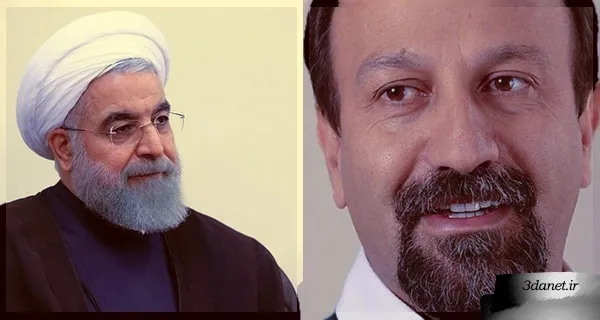
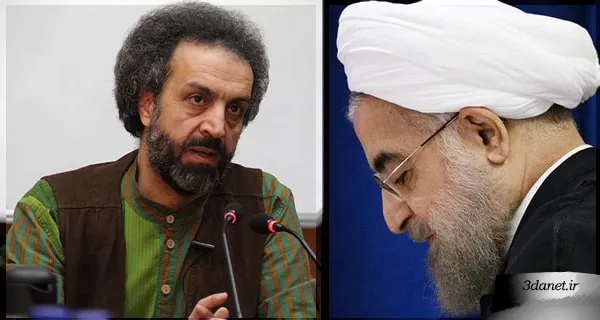

Discussion0 comments
No comments yet; let yours be the first voice.