Philosophy
Climate Ethics, Famine Ethics, or Extinction Ethics?
Iran's agricultural water consumption is four times the sustainable capacity, and its continuation is driving society toward famine and collapse. Critiquing the prioritization of green policy, lifestyle reform is a prerequisite for escaping the environmental crisis.
Climate Ethics, Famine Ethics, or Extinction Ethics?
A Word on the Priority of Individual Greenism over Green Politics
Author: Mohammad Ali Tabatabaei (Mehrdad)
Mataba2003@gmail.com
Imagine you are among the elder children of a large family with a relatively low income. Every day, the father provides the family's food supplies and sends them home. The management and distribution of these items is not the responsibility of any specific person; in fact, it is a task entrusted to all family members. In this situation, several scenarios are conceivable:
First scenario: The older or stronger children seize the more nutritious and tastier items, and the younger ones make do with whatever is left.
Second scenario: Those who are stronger enforce justice and try to distribute the food items so that everyone receives more or less similar things.
Third scenario: Those who are stronger wait until the younger ones have eaten whatever they want, and then the older ones make do with what remains.
The first and third scenarios are clearly unacceptable and unethical, because in both cases, some individuals are deprived. So, for now, let us focus on the second scenario. Now let us suppose that after a while, due to the family becoming more populous or its income decreasing, even in the second scenario, the necessary supplies do not reach all members. What should be done now?
The elder children find the best solution is to ask the father of the family to cut back on his own non-essential expenses and spend a larger sum on his children's food needs. This happens, but after a while, the situation becomes difficult again. This time, the children conclude that they should make changes to their diet, reducing or eliminating expensive items like meat, or nutritionally poor ones like rice, and replacing them with cheaper and more nutritious foods. One of the children, who has expertise in nutrition, tries, with the existing funds, to meet all the family members' nutritional needs in a way that none of the children suffer from malnutrition or other problems.
Now, if the family's population grows even more, or its income decreases further, what should be done? In this situation, the family cuts back on all other expenses, including clothing, housing, education, recreation, etc., so they can meet their most basic need, which is food. In this way, gradually, children in tattered clothes, in a dilapidated and ruined house, without any education or recreation, find joy only in the fact that there is a morsel of bread to eat. Now, if the situation worsens even further, what then? In this state, gradually (all or some of) the family members must submit to hunger, malnutrition, and its ensuing consequences.
The above example, in its most difficult circumstances, is a symbol of the current situation of Iranian society (and, from a broader perspective, the entire world); with the necessary explanation that the “cash” in the above example is a symbol of the country’s (and the world’s) water resources. In today’s Iran, we have a population of eighty million who must be fed through agriculture. Agriculture naturally requires water resources. But our total water resources are one hundred billion cubic meters per year, of which we are naturally permitted to withdraw only twenty billion cubic meters for agriculture and drinking; the remainder of these water resources is the share that nature itself demands from us to spend on our other needs (in the above example, spending on clothing, housing, etc.). Therefore, eighty million people must feed themselves with twenty billion cubic meters of water annually. This means each person must eat in such a way that they consume no more than 685 liters of water per day. But the current Iranian diet is such that it consumes at least about 3,000 liters of water daily; that is, about 88 billion cubic meters annually (more than four times the capacity that Iran’s nature has considered for us). Thus, right now we are being deprived of many of the basic needs that Mother Nature was supposed to provide for us (such as soil, biodiversity, humidity, vegetation cover, etc.). Worse, we are meeting this very food need with low water efficiency, and therefore we are spending all of our one hundred billion cubic meters of water assets solely and exclusively on our food (this low water efficiency is the same as the extra expenses of the father in the above example). Now we have left nothing else for meeting our other needs. We are now in the situation of a family that, although it has not yet reached the point of hunger and malnutrition, has no clothing, no housing, no education, no recreation, and no other facilities. We can only just manage our daily food; we no longer have soil, vegetation cover, groundwater reserves, humidity, acceptable biodiversity, or anything else needed for a healthy natural life.
This is only if the family’s population and our income remain constant. While estimates show that in the coming years, the country’s population will increase, and our water resources will become more limited. Therefore, we are inevitably and rapidly moving towards hunger (famine) and then death (extinction). Estimates tell us that this unpleasant future is not so distant that we will not see it in our lifetime.
One important point remains unsaid: in reaching the current situation, we have not gone through two of the stages that the example family above went through, and therefore we also suffer the consequences of our own incompetence in this regard. Those two stages are, one, eliminating the father’s extra expenses, and the other, changing the family’s diet. With all the limitations we have in our water resources, we have still not been able to change the policies and behaviors of our politicians and producers; just as we have not made any changes to our own diet to reach a situation where we both use our water resources more optimally and properly meet our daily food needs. In the meantime, some of the “eldest children” in the above example (whom I call “environmental intellectuals”) believe that there is no particular need to change the diet and that we should only think about the father’s extra expenses.
Pay attention to this statement by Dr. Nasser Karami, Assistant Professor of Climatology at the University of Bergen, Norway:
“The relationship of a green lifestyle to the environment is like the relationship of charity to the economy. Of course, we should be benevolent and charitable in life and help the poor without expectation. But it is naive to think that with alms and charity, we can make the poor wealthy and the world full of equality and justice.
On this basis, sustainable development and environmental protection are achieved only through constant striving in the realm of politics and economics, and a green lifestyle is primarily a moral matter with a limited sphere of influence within the framework of the home.
The world reaches good through the overthrow of evil, not through charity.”
در تقویت این نگاه، ایشان بارها مقالاتی با این مضمون منتشر کرده است که فعالان محیطزیست در ایران باید هر چه سریعتر وارد عرصۀ سیاست شوند و از آن طریق مطالبات خودشان را به پیش ببرند؛ وگرنه «عارفان منزه خامگیاهخوار» راه به جایی نمیبرند و...
به باور من، وجود چنین نگاهی در میان فرهیختگان محیطزیستی ما، اگر فاجعهبارتر از اصل بحران محیطزیست نباشد، حداقل به همان اندازه فاجعهآفرین استفآاآ. دکتر کرمی هم به عنوان یک روشنفکر محیطزیستی ایرانی، دقیقا همان اشتباهی را میکند که بیش از صد سال است تقریبا تمام روشنفکران ایرانی مرتکب شدهاند و حاصلش هم همین وضعیت جامعۀ ایرانی است که میبینیم و آن اشتباه این است که گمان میکنند اصلاحات اجتماعی باید از بالا به پایین صورت بگیرد، نه از پایین به بالا. اما فاجعهبارتر این است که میبینیم هنوز یک متخصص اقلیمشناسی و فعال محیطزیست با همۀ خیرخواهیاش برای آب و خاک کشور، بر این پندار است که سبک زندگی سبز به مثابۀ فعالیتهای خیریه است؛ درحالیکه واقعیت این است که نسبت سبک زندگی سبز با سیاست و اقتصاد، همان نسبت فرهنگ با نهاد سیاست و نسبت مصرفکننده با تولیدکننده است، که اگر فرهنگ نباشد سیاستی هم نیست و اگر مصرفکنندهای نباشد، تولیدکنندهای هم نخواهد بود. میتوان به رسم معهود در محافل فلسفی، صدها صفحه دربارۀ تقدم یا تأخر فرهنگ بر/از نهادها بحثهای انتزاعی و بیحاصل کرد. اما من در اینجا به جای بحثهای انتزاعی، ترجیح میدهم یک واقعیت عینی را یادآوری کنم و قضاوت را به خود دکتر کرمی و دیگر طرفداران آن نگاه واگذار کنم:
فرض کنیم (فرض محال که محال نیست)، با تلاشهای سیاستورزانۀ فعالان محیط زیست در ایران، سال دیگر در این موقع دولتی بر سر کار باشد که ملتزم به تمام قواعد سبز است. بنابراین، کنترل شدیدی بر چگونگی برداشت از منابع طبیعی (آب، معادن، جنگلها، خاک و...) اعمال میکند؛ بسیاری از صنایع آلاینده و کاهندۀ ذخایر طبیعی (مثل کشاورزی، نفت، برق، پتروشیمی، سیمان و...) را تعطیل میکند و به جای آنها رو به صنایع پاکتر میآورد (و انبوهی از اصلاحات زیستمحیطی دیگر). به طور طبیعی نتیجه آن خواهد بود که باید واردات انبوهی از محصولات کشاورزی و غیرکشاورزی را چندده یا چندصد برابر کند؛ زیرا هیچ تغییری در الگوی مصرف ایرانیان رخ نداده و تنها تغییری که اتفاق افتاده، تغییر «سیاست»های حاکمیت است. کشوری که تولیداتی همسطح وارداتش ندارد، به ناچار باید از کیسه خرج کند و در کیسۀ ما چه چیزی جز نفت و چوب و مواد معدنی و محصولات کشاورزی یافت میشود؟ ما چه محصولی برای صادر کردن داریم که بدون آسیب زدن به طبیعت بتواند ارزی وارد کشور کند؟ نتیجتا، در کمتر از یکی دو سال، یکی از این دو وضعیت حاکم خواهد شد: یا دولت از مردم خواهد خواست که اجبارا (و نه به عنوان عملی مستحبی مثل امور خیریه) کممصرفتر زندگی کنند، یا خیلی زود خود دولت تحت فشار مردمی که از گرانی و تورم و کمبود به ستوه آمدهاند، از سیاستهایش عقبنشینی خواهد کرد. تجربه نشان داده حتی قدرتمندترین اقتصادهای جهان هم در چنین وضعیتی محیطزیست را قربانی راحتطلبی مردم میکنند.
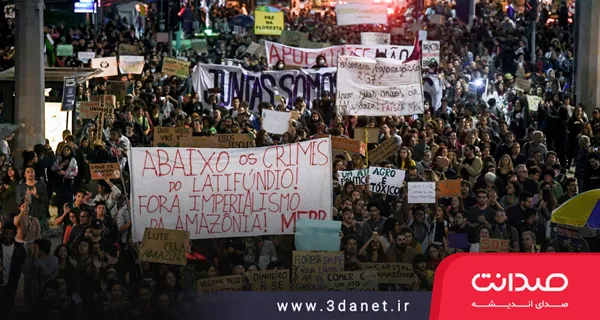
It is saddening that Dr. Karami rightly points out that “Greens must strive more diligently to reduce global poverty and promote economic equality and justice” in order to deprive populists of the opportunity to destroy the environment; yet he fails to mention that it is precisely the consumerist lifestyle of each and every one of us humans that daily impoverishes ever larger populations in poor countries. Now let Dr. Karami answer this question: which government or producer in today’s world is manufacturing goods and destroying nature for Martians? Is it not the case that all this destruction is to satisfy the voracity of us short-sighted consumers? If consumerism subsides at the societal level, for whom would the destructive producers work? I wish Dr. Karami, who in Independent Persian taunts vegetarians on the pretext of the Amazon forest fires, had also taken a look at the Independent English to learn how a carnivorous lifestyle (which he defends) plays a deeper role than Bolsonaro in the burning of the Amazon forests (the gist of the article being that Brazil is the world’s largest exporter of beef, and meat producers need more land to supply fodder and soy for over 200 million Brazilian livestock, which is why they burn forests to produce more meat. Therefore, meat-eaters around the world share responsibility for the burning of the Amazon forests; read the more shocking facts in the same report). Thus, the Bolsonaros are merely the foot soldiers paving the way to supply the favorite food of Dr. Karami and his friends. But well, it is always easier for us humans to abandon the roots and attack the surface.
Dr. Karami will have a sober response here: such a government will neither come to power at such speed nor undertake such extensive changes with such haste; instead, everything will be very gradual, and in these gradual reforms, everything will be resolved nicely and happily. This sober response is acceptable only under one condition, and that is if, in these gradual reforms, the focus is not solely on institutional reforms, but also includes reforming the consumer culture of the people. That is, the situation should progress in such a way that, say, fifteen years from now (if anything remains of Iran’s nature), the people’s culture will have gradually reached a level where they themselves are environmentalists, bring an environmentalist government (in the true sense of the word) to power, and also accept the associated austerities. By accepting this condition, we can no longer reduce the role of the people to that of charitable affairs. A mature democracy never comes to power in a society lacking political literacy and action. Therefore, if we want, for instance, to have an environmentalist government or sovereignty fifteen years from now, we must by then have raised the level of environmental awareness and actions of the majority of society so high that they not only bring an environmentalist government to power, but also, with a deep understanding of the importance of this issue, endure the hardships of the greening path and help that government gradually triumph over anti-environmental mafia rings (to make the discussion tangible, look at American society, which, after enduring just a few years of Obama-era economic austerities for environmental protection, grew weary and replaced him with a Donald Trump who sold out all environmental positions for economic gain).
ظاهرا، دکتر کرمی یک اصل سادۀ عمل سیاسی را فراموش کردهاند: هیچ جریان فکری یا سیاسی یا فرهنگیای نمیتواند در عرصۀ سیاسی کوچکترین امیدی به پیروزی داشته باشد، مگر اینکه پیش از ورود به این عرصه یک جریان عظیم اجتماعی را پشت سر خود به راه انداخته باشد. البته پس از این اصل ساده، یک اصل پیشرفتهتر هم وجود دارد و آن این است که حتی جریانهای فکری یا سیاسی یا فرهنگیای که با پشتیبانی یک جریان عظیم اجتماعی وارد عرصۀ سیاست شوند، بسیار زود از میدان به در خواهند شد اگر تنها با شعار و پروپاگاندا و تهییج احساسات تودهها را بسیج کرده باشند، نه با تعمیق شعور آنان در حدی که توأم با اکتِ متناسب در سطح فردفردِ جامعه شده باشد.
به همین دلیل است که من، درست در نقطۀ مقابل دکتر کرمی، مؤکدا بر این نکته اصرار میورزم که فعالان محیط زیست پیش از ورود به عرصۀ سیاست، باید ابتدا خودشان را به بالاترین حد آگاهی و عمل محیطزیستی برسانند و بعد با تلاشهای مداوم برای ترویج این نگاه در سطح جامعه، روزگاری آفرینندگان یک جریان عظیم اجتماعی در ایران باشند که نهتنها آگاهی بالایی از لحاظ زیستمحیطی دارد، بلکه در سطح تکتک اعمال روزمره اصول سبزگرایی را رعایت میکند. تنها با اتکاء به چنین سرمایۀ اجتماعی کلانی است که میتوان وارد عرصۀ سیاستورزی شد و امید به موفقیت داشت. این هدف تنها از مسیر فرهنگسازی و آموزش حاصل میشود، نه سیاستورزی بیپشتوانه.
فعال محیطزیستی که هنوز نتوانسته در زندگی شخصی خودش از لذات سطحی مثل گوشتخواری، بنزینسوزی و مصرفگرایی دست بکشد (چهرسد به آنکه دیگران را مجاب به اتخاذ چنین سبکهایی در زندگی کند)، چگونه میخواهد غول سیاست را مجاب کند که دست از آسودهخواری بردارد و تن به ریاضتهای سبز دهد؟ قبول کنیم که دستکم در زمینۀ محیطزیست همهچیز از سطح فرد آغاز میشود و سپس به کلانترین نهادها میرسد. به راستی چرا بولسوناروها در آلمان و فرانسه ظهور نمیکنند؟ بیشک یکی از مهمترین دلایل آن است که مردم آلمان و فرانسه بیشتر از مردم برزیل و حتی آمریکا آموزشهای محیطزیستی دیدهاند و به ارزشهای آن ایمان دارند.
***
اکنون بازمیگردم به همان بحث اصلی خودم دربارۀ ضرورت آغاز اصلاحات محیطزیستی از سطح زندگی روزمرۀ مردم. من پیشتر در مقالۀ «اخلاق اقلیمی؛ در فضیلت و ضرورت خامگیاهخواری در عصر حاضر» نشان دادم که بهینهترین رژیم غذایی ممکن برای شرایط امروز ما خامگیاهخواری یا دستکم گیاهخواری حسابشده (یعنی پختهگیاهخواری مبتنی بر حداقل نان و برنج) است که میتواند تمام نیازهای غذایی ما را با کمترین آب مصرفی فراهم آورد؛ با این حال، همین رژیم هم روزانه دستکم دو هزار لیتر آب میبرد؛ تازه با فرض اینکه راندمان آبی در کشاورزی کشورمان در سطح متوسط جهانی باشد؛ یعنی در شرایطی که حکومت و تولیدکنندگان سیاستها و روشهایشان را به گونهای اصلاح کنند که ما از لحاظ راندمان آبی در کشاورزی به متوسط جهانی برسیم؛ وگرنه، اگر با همین وضعیت کنونی به کشاورزی ادامه بدهیم، حتی با خامگیاهخواری هم ما همچنان در وضعیتی خواهیم بود که مجبور خواهیم بود به جای «آب خوردن از طبیعت»، خون طبیعت را بخوریم (یا به عبارت دیگر، به جای شیر خوردن از پستان مادر طبیعت، گوشت این مادر را بکَنیم و بخوریم) و البته که آن هم روزی به اتمام خواهد رسید و در آن روز دیگر حتی برای حرف زدن از «اخلاق قحطی» و «اخلاق انقراض» هم دیر شده باشد.
بنابراین، امروز، که روز روزش است، باید روشنفکران و اخلاقیان ما دربارۀ «اخلاق اقلیمی» حرف بزنند و از طرفی جامعه را به به سطحی از آگاهی محیطزیستی برسانند که افراد جامعه خودخواسته سبک زندگی سبز را برگزینند، و از طرف دیگر مردم را نسبت به وظایفی که حکومت و تولیدکنندگان در حفظ محیطزیست بر عهده دارند، مطلع سازند تا یک مطالبۀ عمومی فراگیر در جامعه ایجاد شود که حکومت و تولیدکنندگان را ملزم به تجدیدنظر در سیاستها و روشهایشان کند.
I said at the beginning that if we do nothing today, we will soon be reduced to famine and then extinction. So if we do not talk about “climate ethics” today, conditions will deteriorate so rapidly that we will no longer have any opportunity to theorize about “famine ethics” and “extinction ethics.” Therefore, it might not be a bad idea to make a brief reference to these concepts right here, so that we may at least gain a vague notion of them:
“Famine ethics” discusses moral dilemmas in conditions of famine; such as deciding whether, in a famine situation, suicide is more ethical or killing others (whether to eat their flesh, or to reduce the number of mouths to feed); if it comes to eating human flesh, who should eat whom? The father the son, or vice versa? If it comes to slaughtering a large group of people so that others may survive, what is the criterion for deciding on the candidates for slaughter, and by what order of priority are individuals placed on the death list? The mentally and physically disabled? Criminals? The unintelligent? The uneducated? The poor? The elderly? Men? Who has priority on the life list? Philosophers? University professors? Engineers? Doctors? Mothers? Or ...? It seems that even thinking about these issues is utterly nauseating and disgusting, let alone actually reaching such conditions.
But if famine ethics cannot be properly brought to a (theoretical and practical) conclusion, we will very quickly reach a situation where we are forced to discuss extinction ethics; a discussion which this time is certainly only theoretical and makes no difference to the practical outcome. In this situation, moral philosophers discuss whether, if we are faced with the dilemma of “the extinction of the human species at the cost of saving other species of life” or “the extinction of millions of animal and plant species to preserve humans for a few more years,” which situation should we choose? Both options will ultimately lead to the destruction of the human species; therefore, the only debate is whether a few more years of the human species’ survival on Earth is worth the destruction of all terrestrial life. Those who have even an inkling of the grandeur of terrestrial life understand perfectly well that this discussion (even in theory) is uglier and more shameful than the discussion of “famine ethics.”
Unfortunately, the intellectuals of our society still have no conception of the realities ahead, and for this reason, with peace of mind and a carefree spirit, they amuse themselves with unimportant, second-rate theoretical discussions; just like a driver on a steep, deadly slope who, instead of focusing on how to control the vehicle, is busy discussing politics, economics, society, and so on with the passengers. In a society that, due to the ignorance of its citizens and the incompetence of its officials, is exposed to climatic hazards that will soon roll up the scroll of that society’s life, if its intellectuals engage with any issue other than this one, they have gone severely astray in their prioritization of problems; for all intellectual discussions are based on the “existence of humans”; so in a situation where the very principle of this existence is endangered, no other discussion is a priority until this danger is resolved.
* The selected image is a scene from Brazilian protests against the fires in the Amazon rainforest. One of the signs reads: Veganism for the Earth.




Discussion8 comments
نوشته ای بسیار عالی. استفاده کردم. سپاس از نویسنده، سپاس از صدانت برای انعکاس این اندیشه. با احترام، کمترین.
اولا این که توضیح بدید که این همه که گونه های جانوری منقرض شدند چه تاثیر مخربی بر گونه های دیگه گذاشت اتفاقا وقتی که دایناسورها منقرض شدند باعث شکوفایی و تکامل پستانداران شد مثلا اگه گرگ ها که این همه ضرر به گله های دام میزنند نباشند چه ضرری به حال ما انسان ها دارند شاید بگید که جمعیت سایر گونه ها رو کنترل می کنند ما این. هدف رو با شکار هم می تونیم تامین کنیم و یا اگر حیوانات گیاه خوار نباشند دام های ما جای آنها رو خواهند گرفت دوم اینکه جریان تغییرات اقلیمی انسانساخت. بیشتر یک شو تبلیغاتی است و مبنای علمی ندارد و توسط دانشمنان تراز اول مثل فریمن دایسون رد شده است گفته شده است که دی اکسید کربن. منتشر شده در جو تنها 2% منشا صنعتی دارد و بقیه از عوامل محیطی متاثر است مانند آتش فشان ها علاوه بر این ها افزایش تابش خورشید رو هم نباید نادیده گرفت سوم این که هیچ صنعتی رو من سراغ ندارم که بشه بدون تغییر محیط امکان تاسیس و بهره برداری داشته باشد نیروگاه خورشیدی با اینکه در ظاهر کربن دی اکسید تولید نمی کند اما فضای زیادی رو اشغال می کند و این انرژی نه به لحاظ اقتصادی فعلا قابل ذخیره سازی نیست و نه صادرات در نهایت اینکه صنعتی است با هزینه بالا و بهره وری اندک
دوست عزیز؛ من هم بسی خوشحال خواهم شد اگر تمام پیشبینیهای اقلیمشناسان دربارۀ تغییرات اقلیمی غلط باشد؛ اما اخلاق باور ما را ملزم میکند در مسائل علمی به اجماع اهالی آن علم مراجعه کنیم. فریمن دایسون فیزیکدان بسیار بزرگی است؛ اما بارها و بارها در مصاحبههایش تأکید کرده که در اقلیمشناسی نه تخصصی دارد و نه علاقهای دارد که مطالعات تخصصی کند. از این رو وقتی قاطبۀ اقلیمشناسان اظهارات شاذ او دربارۀ مفید بودن گرمایش جهانی را انکار میکنند، تمسک به اظهارات امثال او در یک بحث علمی فایدهای ندارد و فقط مصداقی از تشبث به حشیش است. متأسفانه سایر مسائلی هم که دربارۀ انقراض گونهها و صنایع پاک مطرح کردهاید، به همین اندازه دلبخواهی و بیبنیان است. هزاران دانشمند در سراسر جهان در حال تأکید بر اهمیت این موضوعات هستند و حال یک نفر پیدا میشود که بدون هیچ تخصص و مطالعهای منکر این نظریات علمی میشود. اگر اخلاق باور این را از شما میپذیرد، این شما و این هم شواذ مطلوبتان؛ اما بهگمانم بهتر است این قبیل شبهاستدلالها را در جایی غیر از محافل علمی و فلسفی مطرح کنید.
بله. سه ادعا وجود دارد و با همان ترتیبی که فرموده اید. اما من در سه مقاله ای که تا کنون در صدانت منتشر کردهام، به هر سه پرداختهام. البته اثبات ادعای اول، خارج از حیطۀ علوم انسانی است و ما فقط با مراجعه به اجماع دانشمندان علوم طبیعی آن را میپذیریم. این اجماع را در مقالۀ «اخلاق اقلیمی، در ضرورت و فضیلت خامگیاهخواری» نشان دادهام. ادعای دوم، بحثی در میانۀ علوم طبیعی و علوم انسانی است که در مقالۀ «در عیب و هنر روشنفکران محیط زیستی» و در همین مقالۀ حاضر به آن پرداختهام. ادعای سوم هم با تفصیل فراوان در همان مقالۀ «اخلاق اقلیمی، در ضرورت و فضیلتِ خام گیاهخواری» مطرح شده است. با این همه، شکی نیست که مخاطب اول مقالات من کسانی هستند که با اصل وجود بحران محیط زیست در عصر حاضر همدلی دارند. بنابراین، پیش نیاز هر سه مقاله، انبوه کتابها و مقالاتی هستند که به زبانی علمی بیان می کنند که «بحران محیط زیست» دقیقا به چه معناست و تغییر سبک زندگی افراد (در کنار تغییر سیاستهای دولتها و روشهای تولید) چقدر در عبور موفق از این بحران، اهمیت دارد.
با خوندن این مطلب واقعا به خشم اومدم آقای طرفدار محیط زیست تو که اسم همه صنایع رو ردیف کردی و گفتی که این صنایع آلوده کننده محیط زیست هستند و فورا باید تعطیل بشن و اونا رو صنایع پاک پرسود جایگزین کنند میشه که اسم اون صنایع رو ببری اصلا صنعتی هست تو دنیا و آینده که بدون تغییر محیط امکان داشته باشه تو با این کارت محیط زیست انسان رو نابود میکنی تمدن بشری یعنی باید معطل چهار تا سگ و گربه یا قوچ وحشی باشه که تو که بهترین شرایط زندگی میکنی و نه درد نون شب داری جمعه ها بری کوهگردی. تا کیفیش رو بکنی یعنی انسانب که اشرف مخلوقاته از بقیه جاندارت کمتره این که بقیه موجودات از منابع طبیعت کمترین استفاده رو می برن معنیش این نیست که اونها خیر خواهند بلکه ناتوانند و گرنه اونها هم اگه بتونند استفاده حداکثری از طبیعت می کنند
از اینکه از خواندن متنی اخلاقی چنین به خشم آمدهاید، متأسفم. البته این خشمناکی شما کاملا قابل درک است؛ آشکار است که شما هنوز مثل مردمان قرن هجدهم فکر می کنید که انسانها میتوانند بدون وجود سایر حیوانات و گیاهان، همچنان به حیاتشان بر این کرۀ خاکی ادامه دهند. دوست عزیز؛ لطفا کمی مطالعه کنید. اخلاق اقلیمی بیش از آنکه نگران "چهار تا سگ و گربه یا قوچ وحشی" باشد، دقیقا دلنگران حیات خود انسانهاست؛ انسانهایی که به خاطر ندانمکاری و افراط در برداشت بیش از حق طبیعیشان از منابع طبیعت، هم حیات خودشان را به خطر انداختهاند، هم حیات کل زیستمندان زمین را. با کمی مطالعه خواهید آموخت که "اکوسیستم" به معنای خانهای است که هر یک از گونههای جانوری یا گیاهی، تشکیلدهندۀ یکی از آجرها یا ستونهای آن هستند و با حذف هر یک از این گونهها، این خانه یک گام به ویرانی کامل نزدیکتر میشود و طبق برآورد سازمان ملل، ما امروز در حال از بین بردن یک چهارم از کل این آجرها و ستونها هستیم. همچنین خواهید دانست که، بر خلاف تصور شما، واقعا صنایع پاکتری هم وجود دارند که آسیبشان برای محیطزیست بسیار کمتر از صنایع فعلی است؛ مثل نیروگاههای خورشیدی، بادی و هستهای. بحث در این زمینه مفصل است؛ اگر مایل بودید بیشتر بدانید، لطفا از طریق ایمیل با من در تماس باشید. با آرزوی بهروزی.
خیلی ممنون از مقاله خوبتون تقریبا خلاصه ادعای شما این بود که باید تغییر در رفتار مردم به وجود اورد برای مواجهه با بحران پیش رو نه تغییر در رفتار سیاستمداران . حرف صحیحی است اما مجموعا چه تفاوت ادعایی با مقاله قبلیتان دارد ؟
سپاس از توجهتان. مدعا همان مدعاست، اما به زبانی ساده تر. چون مقالۀ قبلی طولانی و بیش از حد تخصصی بود، یک بار دیگر آن را به زبان ساده ترجمه کردم. کامنت های مقالۀ قبلی نشان می داد که برخی تنها با نگاهی به تیتر مقاله دربارۀ آن نظر داده اند (شاید به دلیل طولانی بودن مقاله) و برخی هم با اینکه مقاله را کامل خوانده اند، نتوانسته اند از پس فرمول ها و اصطلاحات علمی پی به مدعای اصلی مقاله ببرند. به این دلیل، این بار کوشیدم که کوتاه تر و گویاتر بنویسم. امید که موفق بوده باشم.