Sociology
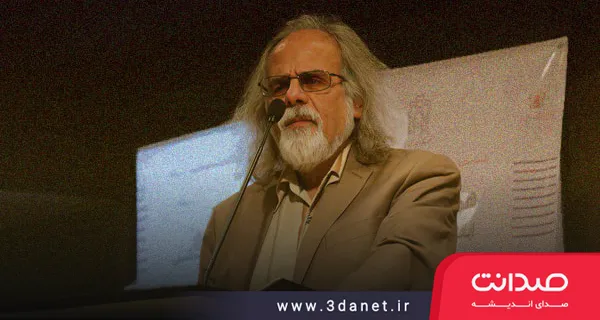
Cultural Causes and Factors of Iranian Underdevelopment in the View of Mostafa Malekian
Mostafa Malekian attributes the backwardness of Iranians not to external factors but to cultural attitudes. He enumerates twenty inward-looking factors—such as prejudice, dogmatism, and superstition—whose transformation requires turning inward.
That part of cultural issues which pertains to the attitudes of Iranians can be enumerated or counted under twenty factors. My arguments on these matters are also largely introspective. That is, the audience must look within themselves and see whether such a state exists within them, and if it does, one can say the argument is sound.
.
In the last hundred years, most of those who have spoken and studied about society's problems have usually explored the set of causes and factors that have created all these practical problems and theoretical issues for society, and brought about the misery and misfortune of our society, along three axes.
The first axis has been the intervention of foreign countries, colonialism, and various forms of domination. The second point has been the ruling political regimes, and the third issue has been the people's conception of religion.
These three factors have been emphasized the most so far, and depending on different viewpoints, one of these factors has been stressed more. Although there is usually no one who has denied the other two factors. But the issue that is more important than these three factors is the cultural condition of the people. In other words, the cultural pathology of the Iranian people, and what undesirable matters have become entrenched in their minds and consciousness culturally. Therefore, my words do not mean a denial of the other three factors. However, the emphasis is that our cultural attitudes are more important than them.
Regarding cultural attitudes, I also have a dual interpretation.
I believe that when it is said "it is from us that is upon us," and when it is said that we must change from within, two types of change are meant, and I will address one of them.
Sometimes when it is said that we must change, it means that as long as we do not have sound moral behavior, our situation will not improve, and the point is made that the ultimate and final benefit for all lies in living ethically. This ethical living is one of the two parts of the matter I am referring to. But the cultural condition does not depend on our ethical discussion; it also depends on a series of mental attitudes, and I want to address these mental attitudes.
Mental attitudes are matters that have become entrenched in us, consciously or unconsciously, and we are under the influence of these attitudes in all our actions and reactions, which do not necessarily have a moral aspect, and changing them does not require our moral behavior to change. On the contrary, it is these attitudes that pull our ethics toward unhealthiness.
These attitudes could be discussed under the sociology of the Iranian people. But the subject of my discussion is not about the sociology of contemporary Iran. In other words, I am not entering into the discussion that a branch of psychology is the psychology of peoples, and a branch of sociology and psychology pertains to peoples. Therefore, these words should not be placed alongside Siegfried's book "The Spirit of Nations" or the late Bazargan's writing, where they said Siegfried did not address the spirit of the Iranian nation, and I am addressing the spirit of the Iranian nation to make it a more complete writing.
Regarding that part of cultural issues related to the attitudes of Iranians, I have enumerated twenty factors. My arguments on these matters are also largely introspective. That is, the audience must look within themselves and see whether such a state exists within them, or if it does, one can say the argument is sound.
Cultural Causes and Factors of Iranian Underdevelopment:
1- Prejudice
The first characteristic that exists within us is having abundant prejudices towards many matters. If each of us looks within ourselves, we see abundant prejudices. These prejudices have many negative effects on our social actions and reactions. Usually, when prejudice is mentioned, negative prejudice is mostly intended, but the destructive effects of prejudice are not limited to negative prejudice. Positive prejudices also have their own destructive effects. Including the misplaced optimism we have towards certain individuals, strata, and social layers.2- Dogmatism and Rigidity
A kind of dogmatism and rigidity has taken root in us. I have no psychological or historical research at all on why the Iranian nation is so prone to dogmatism and rigidity. That is to say, its reality is undeniable for me, even though its explanation is not possible for me. What exists in us, which is referred to as dogmatism and rigidity, is that our belief has an appendage. That is, we may believe that a certain proposition is true—this is healthy—but if we believe that it is impossible for that proposition not to be true, this "it is impossible" turns a person into a dogmatic human being. And it is rare for us to believe something without an "it is impossible" appended to that belief. In other words, when we hold the opinion that a certain proposition is correct, we hold a second opinion that it is inevitable for that proposition not to be correct.3. Superstition
Another characteristic of ours is superstition, both superstition in the religious and denominational context and in non-religious and non-denominational contexts. Superstition in the religious context means something that was not in the religion and has been introduced into it. But more importantly, we are also superstitious in the secular sense of the word. Superstitious in the sense of believing in beliefs for which there is no evidence in their favor, yet we still hold those beliefs in our hands. These three issues can be considered the three children of our aversion to reasoning. Whoever is not given to reasoning is given to these three; therefore, the solution for treating these three is strengthening the spirit of rationalism.4. Valuing the judgments of others about oneself
We rarely live in the "self" that we imagine of ourselves, and our attention is always on the "self" that others imagine of us, and our scale is always outside of us. This valuing of the judgments of others is the cause of causes for a series of cultural problems in our society.5. Conformity with the crowd
The fifth point arises from the fourth point, in the sense that we have never been able to say something in opposition to the crowd we deal with, and conformity with the crowd has always been important to us.6. Suggestibility (Indoctrinability)
Indoctrination means expressing one opinion and not expressing opposing opinions, and exposing the audience solely to this opinion. Whenever, in the face of any belief, you also seek out the views of its opponents, it shows that you are not suggestible. Suggestibility means accepting a single voice.7. Susceptibility to Inculcation
Susceptibility to inculcation is psychologically different from suggestibility. In inculcation, an opinion is repeated so often that repetition takes the place of reason. If I say a certain proposition is correct, you expect a reason from me, but instead of providing a reason, I repeat that proposition 200 times, and gradually we come to think that the repetition of the claim takes the place of reason. That is, instead of adducing evidence, the claim itself is repeated, and this is the art that exists in propaganda or rumor-mongering. The fact that when the media falls into the hands of powers, they become happy, is due to the existence of this spirit of susceptibility to inculcation among the people. Otherwise, if a nation were not susceptible to inculcation, no matter what the media said, because they would constantly demand reasons, no one would express happiness at taking control of radio and television.8. Imitation
I do not mean imitation as it is spoken of in jurisprudence . I mean imitation in its psychological sense. That is, consciously or unconsciously being under the model of a person. That is, I make myself like you and seek resemblance to you, and imitation means I have taken you as a model. What is said in mysticism, that you should seek resemblance to God, if we do this with human beings, it is termed imitation, and this imitation is also condemned in religions, denominations, and mysticism.9. Submissiveness (Ta'abbud)
تعبد یعنی سخنی را پذیرفتن صرفا به این دلیل که فلان شخص آن را گفته است. یعنی اینکه اگر صورت استدلالی من، ذهن من را آزار ندهد که فلان گزاره صحیح است چون فلان شخص گفته است: “فلان گزاره صحیح است”، من اهل تعبدم. آیهای در قرآن است که معمولا کمتر نقل میشود اتخذو احبارهم و رهبانهم من دونا… که در باب روحانیت نصاری و یهود است که فراوان میگوید که یهودیان و نصاری، روحانیون خود را میپرستیدند چه من دونا… را به جای خدا بگیرم یا علاوه بر خدا. صحابی از امام باقر)ع( میپرسد که آیا واقعا میپرستیدند حضرت در جواب میگوید: هرگز اینگونه نیست، روحانیون مسیحی به مردم نمیگفتند که ما را بپرستید و اگر هم میگفتند، کسی نمیپرستید. اما اینکه قرآن به آنها این نسبت را میدهد به این دلیل است که رفتاری که با خدا باید میداشتند با روحانیون خود داشتند. مجموعه عوامل دسته دوم ناشی از یک عمل واحد است و آن اینکه ما زندگی اصیل نداریم. زندگی اصیل به تعبیر روانشناسان انسانگرا و به تعبیر عرفا یعنی زندگی براساس فهم و تشخیص خود. زندگی اصیل را فقط کسانی انجام میدهند که دو سرمایه دارند: عقل در مسائل نظری و وجدان در مسائل عملی.۱۰- شخصیت پرستی
کمتر مردمی به اندازه ما شخصیت پرستند و شخصیت پرستی جز این نیست که شخصیتی خود را بر خود عرضه می کند و خوبیهایی را که در زندگی اطراف خودمان نمیبینیم، از سر توهم به او نسبت میدهیم و او را به دست خودمان بزرگ میکنیم.۱۱- تعصب
تعصب هم افق با شخصیتپرستی است. تعصب به معنای چسبیدن به آنچه که داریم و نگاه نکردن به چیزهای فراوانی که نداریم. اگر من شیفته آنچه که دارم شدم و فکر کردم جای نداشتهها را هم برایم میگیرد من نسبت به آن تعصب پیدا کردهام و اینجاست که من نسبت به کسانی که به آن وفاداری ندارند، دو دیدگاه پیدا میکنم. گروهی خودی میشوند و گروهی غیرخودی. قرآن خودی و غیرخودی را رد کرده است چرا که درباره حب و بغض میگوید: وقتی با گروهی دشمنید دشمنی باعث نشود درباره آنها عدالت و انصاف را فراموش کنید. درباره دوستی هم میگوید: همیت جاهلیت شما را نگیرد. همیت جاهلیت یعنی اینکه چون فلانی از قبیله من است. طرف او را چه ظالم باشد یا عادل میگیرم. به عبارت دیگر ویژگیهای خود او مهم نیست بلکه ویژگیهای تعلقی او مهم است.۱۲- اعتقاد به برگزیدگی
هر کدام از ما اگر به خودمان رجوع کنیم میبینیم به نوعی فکر میکنیم که به نوعی مورد لطف خدا هستیم. یعنی درست است که ممکن است وضع ما به مو بند باشد، اما پاره نمیشود و اکثر اهمالها و بیتوجیها ناشی از همین نکته است. لایپ نیتس اصطلاحی داشت که برای موارد دیگری به کار میبرد. این اصطلاح هماهنگی پیش بنیاد بود به معنی اینکه گویا همه امور از پیش حاصل آمده است اما گویا ما این هماهنگی پیشبنیاد را راجع به خودمان قائلیم.۱۳- تجربه نیندوختن از گذشته
پس از اقدامات انساندوستانه افرادی چون ماندلا واسلاوهاول و اقدامات انساندوستانی که در باب “فرهنگی کردن سیاست” تلاش کردند، زیاد شنیدهایم که ببخش و فراموش کن یا ببخش و فراموش نکن. اما داستان بر سر این است که اگر شما ببخشایید و فراموش کنید باز هم از همانجا ضربه میخورید. انسانهای سالم کسانی هستند که در درونشان میتوانند بزرگترین دشمنان خود را از لحاظ عاطفی ببخشایند، چرا که از لحاظ عاطفی باید بخشود اما از لحاظ ذهنی نباید فراموش کرد. اما متاسفانه ما عکس این عمل میکنیم،از لحاظ عاطفی نمیبخشیم و کینهجویی در ما زنده است، اما به لحاظ ذهنی فراموش میکنیم چرا که حافظه تاریخی ملت ما بسیار کند و تار است.۱۴- جدی نگرفتن زندگی
سقراط از ما میخواست که در عین شوخطبعی زندگی را جدی بگیریم کسانی زندگی را جدی میگیرند که دو نکته را باور کنند. ۱-باور به مستثنی نبودن از قوانین حاکم بر جهان دلیل هر جدی نگرفتن مستثنی ندانستن خود از قوانین هستی است ۲-نسبتسنجی در امور روانشناسان اصطلاحی دارند با این مضمون که انسان باید بتواند وزن امور را نسبت به هم بسنجد. انسانهایی که زندگی را جدی نمیگیرند چیزهای مهمتر را برای چیزهای مهم رها میکنند. فراوانند انسانهایی که در طول زندگی خطای تاکتیکی نمیکنند اما خطای استراتژیک عظیم دارند یعنی کل زندگی را میبازند اما در ریزهکاریها وسواس دارند.۱۵- دیدگاه مبتذل نسبت به کار
Fewer people have a more vulgar view of work than we do. We want work only for income, and therefore if we could obtain income through idleness as well, we would not welcome work. In fact, we consider work unavoidable, whereas we should hold the view of Rumi regarding work, who believed that work is the essence of the human being.16- Not Believing in Austerity
Austerity here does not mean what ascetics do; austerity means knowing that in life, one cannot obtain everything. Therefore, one must sacrifice some things to obtain more valuable things. Our ancients said the world is a realm of conflict, meaning all virtues cannot be gathered in one place. In the words of Nima Yushij, until you give things away, you will not be given a thing. In European languages, sanctity derives from the root of sacrifice. Christian mystics said that sacrifice and sanctity share the same root because sanctity is not attained except at the cost of losing many things. But we want to have everything, and when our view of work is like that, our view of consumption also becomes the same, causing us to suffer from consumerism. When we raise the issue of consumerism, they raise the point that you are unaware of the society's situation and poverty. It must be said that consumerism is a perspective, not a possibility; meaning even a poor person, in the secret chamber of their heart, says, "I wish I had more and could consume more." Which of us is willing to suffice with the bare necessities for the sake of our ideals? This consumerism drags us into baseness. If it were just us and the necessities of life, we would not be forced to grovel.17- Loss of the Faculty of Distinguishing Between the Pleasant and the Expedient
People who see short-term interests and lack the ability to see long-term interests are susceptible to being deceived. The reason for the success of the populist policies prevalent in our country is also this failure to see long-term interests. When long-term interests are not seen, short-term interests are secured at the cost of long-term misery and misfortune.18- Verbosity
We, precisely contrary to what is said in religions and creeds, are verbose and talk too much. It is narrated that mystics also had spiritual exchange in silence, but we are a nation of excessive talkers, and the easiest task for us is talking.19- Aphasia
Worse than our verbosity is our aphasia. Aphasia here means that a person does not even understand their own words. That is, if a psychological analysis were conducted on our speech, some sentences would have no meaning at all. Everyone's words are like movie-set towns that, during filming, are full of forts and castles, but collapse when pressure is applied. In other words, our words have no backing, and all of us, from top to bottom, talk nonsense. And for this very reason, we are so mentally disturbed. Those who suffer from mental wandering must first refine their language. That is, they must speak with understanding and demand understood speech from the other party. To prove that not every sentence whose syntactic and morphological rules are observed is necessarily meaningful, Noam Chomsky would give examples; for instance, he would say: "Colorless green ideas sleep furiously." Its morphological and syntactic rules are observed, but it is meaningless.20- Superficiality
Superficiality, due to the dominance of the jurisprudential spirit in religion, has cast a shadow over all our affairs. That is, instead of paying attention to the value and motivation of an action, we are captivated by appearances. This superficiality prepares us for deception by appearances. Wherever ethics, mysticism, and psychology are sacrificed for jurisprudence and appearances, this spirit prevails. In conclusion, I have a suggestion that contains two points: First, regarding each of the points raised, let us think about whether it is correct or not. If it is correct, the first thing to do is to examine it in ourselves. That is, let us not turn these points into a magnifying glass and focus it on others, but first focus the magnifying glass on ourselves. Second point: If the matters stated are correct, intellectuals and social reformers, instead of always flattering the people and thinking that all problems are directed at the political regime, must stop flattering the people and tell the people that because you are like this, the rulers are also like that. Rulers are born of this culture; a society whose culture is like this will inevitably have politics like that and economics like that. It is a mistake for intellectuals and social reformers to flatter the people in order to gain social standing and popularity, and to say that the people have no faults or flaws; for the political regime is born of the people, and a better political regime requires a better culture..
.
Cultural Causes and Factors of Iranian Underdevelopment in the View of Mostafa Malekian
Source: Mostafa Malekian, Baztab-e Andisheh Magazine, No. 95, dated 18/10/1386
.
.


Discussion12 comments
ایرانیان را بواسطه صفات رذیله فرومایگی و دروغگویی و ریاکاری و تظاهر و چاپلوسی و کلاهبرداری و تجسس در امور زندگی دیگران و حسادت و غیبت و تهمت و تن پروری و بزرگنمائی و جوگیری با تبلیغ و تعریف و تمجید و رقابتهای ناسالم و خشونتگرائی و قلدری که کشتی باستانی نمونه بارز انست، اسفل نژادهای بشری و غربیها و دیگر نژادهارا که از این صفات مبری هستند افضل نژادها نامید. انقلاب ما قبل از انکه حافظ منابع و منافع و اصالت فرهنگ ایرانی باشد در محو انها عمل کرده که نشانه کج اندیشی نژاد ایرانی میباشد که در هر فرصت اثار شوم خود را بروز میدهد. انچه موجب پیشرفت غربیها شده، اول نداشتن همین صفات و دوم شرایط طبیعی مناسب است.
تنفر شما از ایران از عصبانیت جمع قلیلی از یهودیان صاحب قدرت در دنیا، The Establishment، که در ایران روحانیون ، آگوستو پینوشه آن ها را از قدرت محروم کردند نشأت می گیرد. همه جا دنیا یک رنگه بازی نخوریم. مردم در قطب مخالف ایران یهودی ها را پارتی بازی و مورد حمایت قدرت و صاحب قپدرت می دانند. همان تصوری که شما از ایران خود دارید فکر نکنید جای دیگر نیست.
روشنفکری ، کپی پیست کردن آثار غربی با حس تحقیر نسبت به ان ها و روش متکبرانه فکری انسان طبیعت گرا و تأیید ان بوسیله مترجمین مدعی فلسفه و تألیف و تقویت تبختر حاکمیت مدرن منتج به تبعیت و تقلید ابدی دانشگاهی متبختر ناصادق با دانشجو و جامعه است. انگیزه : تحقیر پدر و مادر و جامعه خود و دیگران برای دیده شدن
جمعیت محدود و متفرق ایران را در دوران قدیم نمیتوان تمدن نامید ایرانیان هرگز تمدن نداشته اند و فتح بیابانهای کم جکعیت را نمیتوان مظهر اقتدار دانست و دلیل شکست در برابر اعراب و دیگران همین موضوع است و حکومت زورمداری فردی بنام پادشاه با حمایت عده ای مفت خور که منافع خودرا در اقتدار پادشاه میدیدند بر عده ای نادان و ضعیف که موظف به پرداخت مالیات بودند نمیتوان تمدن نامید. یک تمدن موفق عمدتا ساختارنژادی یکنواخت دارد (مانند ژاپن و چین) و نوعدوستی و همیاری و تلاش جمعی و اتحاد بشکل بارز در رفتار انها نمایان است. برخلاف ایران که پادشاهان مظهر ظلم و تبعیض و تفرق بودند در کشورهای دیگر نماد وحدت و اصالت محسوب میشوند. جامعه کنونی ایران مشکلات اساسی بسیار دارد که مانع تمدن سازی بمعنای واقعی کلمه میشود. شیادی و خیانت از عوامل مهم تمدن ستیزی و هرج و مرج طلبی ایرانیان است.
یکی از بخش های جالب فرهنگ ایرانی اظهار نظر کردن با اعتماد به نفس نسبت به مطالبی است که هیچ دانشی از آن ندارند است. اولاً ژاپن به هیچ وجه نمونه یک تمدن موفق نیست.(البته اگر تعریف شما از تمدن وارد کردن حجم زیادی تکنولوژی در صد سال گذشته نباشد.) دوما نه چین از نظر قومی نژادی یکنواخت است و نه یکنواختی نژادی به موفقیت میانجامد اگر اینطور بود که کشورهای آفریقای مرکزی ابرقدرت بودند. سوما " حکومت زورمداری فردی بنام پادشاه با حمایت عده ای مفت خور که منافع خودرا در اقتدار پادشاه میدیدند بر عده ای نادان و ضعیف که موظف به پرداخت مالیات بودند نمیتوان تمدن نامید." با این حساب چین که یک تمدن موفق بود دیگر اصلا تمدن نیست.
آیا شکست و پیروزی دلیل متمدن بون یا صدق جهانبینی یک فرد یا ملت است؟ آیا ثروت و امکانات به معنای قابل پذیرش بودن نگاه ملت صاحب ثروت است. آیا چنگیز خان مغول بر حق بود؟ آیا هیتلر درست می گفت؟ آیا آمریکا در ویتنام موضع قابل دفاعی داشت؟ یا نرون سخن قابل پیروی داشت؟ این نگاه تبلیغ شده در تحصیلات و رسانه را نمی توان پذیرفت حال هر چقدر دختری جوان را متقاعد کند یا پسری دانشجو را شضیفته خود کند. اخلاق و انصاف و عدالت و عقل مؤلفه ای انسانیت هستند. طرفداری از قدرت مانند آلمان هیتلری و آمریکای حال حاضر بسیار بیسوادانه و عامیانه و تحت تاثیر القائات تحصیلاتی در دانشگاه بوسیله اساتید شهرت طلب و اینترنت در میان مردم کوچه و بازار است
به نظر من نکات گفته شده بسیار اساسی و بیماری اصلی ما هستند و دارو آن هم در پیشنهاد نهفته است. و آن هم فکر کردن است. ما مشکل فکر کردن داریم سخت ترین کار برای ما همان تفکر است ما ملتی هستیم که خرد خفته ایم. تا قوه تفکرمان راه نیفتد این بیماری های توان فرسا که ما را روان پریش و کار گریز مسلط به علم کلام بدون عمل کرده است قرن ها ادامه خواهد داشت.
استاد ملکیان مطالب خوبی گفتند که اساسا در تشکیل فرهنگ ایرانیان نقش دارد و این خصوصیات در میان مردمان تمام کشورهای جهان نیز کم و بیش وجود دارد و متختص ایرانیان نیست.
دلیل عقب ماندگی جهان متفاوت بودن dna انسانها با dna پلیدیانها است ونه اینكه رنگ مو و چشم و پوستشان غیر طبیعی باشد.
علت عقب ماندگی ایران: 1.کامل نبودن آرامش 2.شاد نبودن. من خودم برای آرامشم هر 2 ساعت 1 لیوان آب میخورم و برای شاد بودنم همیشه لبخند میزنم یا میخندم.
به نظر من دلیل عقب ماندگی کشور ایران ریشه در بدن مردم ایران دارد یعنی اگر بدن مردم ایران کم کاری ملانین داشت آنوقت مردم ایران سفید پوست و مو زرد و چشم آبی میشدند. برای مثال کشور روسیه که یک ابر قدرت محسوب می شود مردمشان بدنشان کم کاری ملانین دارد و آنها سفید پوست و چشم آبی و مو زرد هستند و به خاطر اینکه بدنشان کم کاری ملانین دارد دارای آرامش روحی و جسمی هستند و گرایش به کمال و پیشرفت دارند. من امیدوارم که مردم ایران برای اینکه کشوری ابر قدرت داشته باشند بدنشان کم کاری ملانین داشته باشد و سفید و مو زرد و چشم آبی باشند. برای کم کاری ملانین روشهایی در گوگل و یوتیوب مثل خوردن آب زیاد و گوش دادن به صدای باران برای دانلود و استفاده موجود هست و به نظر من دلیل دیگری عقب ماندگی ایران کامل نبودن ذهن و جسم ایرانی هاست و همچنین روحانی و کمال گرا نبودنشان.
مقاله ای دیگر خوانده ام با نام انسان با خدا انسان با فرهنگ در کتاب کشکول فکروخیال به نظرم بسیار از ریشه موضوع طرح شده است و اگر این رکن نباشد بقیه عوامل ذکر شده بالا قطعا نمی تواند باشد با سپاس