Religion
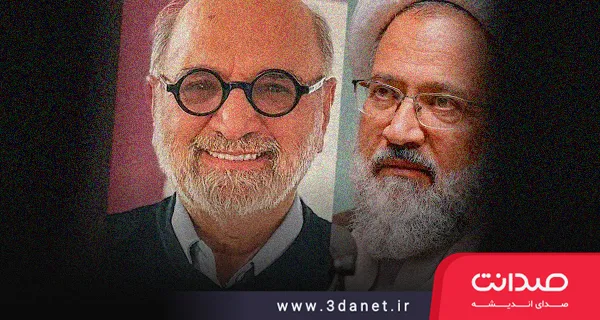
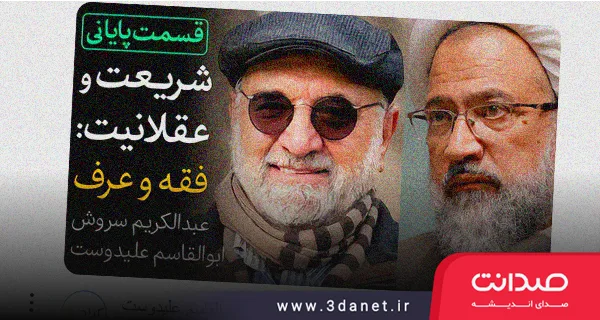
Dialogue as Action (On the Soroush–Alidoust Debate)
The Soroush–Alidoust debate unfolded along the twin tracks of jurisprudential political Islam and religious intellectualism; they belong to the same family and can together weaken the obstacles to development. “Religion as culture” and the turn toward “social religion” are taking shape with a younger generation of scholars of religion.
Dialogue as Action (On the Soroush–Alidoust Debate)
Reza Taran
My first claim is that the dialogue and debate between Abdolkarim Soroush and Abolqasem Alidoust, rather than pursuing an epistemological outcome, was on a path toward reviving two institutions and currents of thought in Iran today: jurisprudential political Islam and religious intellectualism. My second claim: these two currents are more kindred than rivals, and their positive function could be the rationalization and refinement of the violence of radical political Islam and the weakening of one of the religious obstacles on Iran's path to development. My third claim is that "social religion" in its various forms is the tendency of a significant part of society, and the theory of "religion as culture" can explain such a tendency, with its theorists being a spectrum of younger scholars of religion. All three of my claims lack statistical data and can be presented as hypotheses.
First claim: 1. Abolqasem Alidoust's moderate political Islam, which is based on the use of reason, custom, and consideration of purposes in deriving religious rulings, was from the very beginning a sheer minority in the seminary of the Islamic Republic era and failed to expand and develop; in contrast, the two currents of radical political Islam and neo-traditionalism have more adherents in the seminary. If we consider Alidoust in the debate as the representative of all seminary factions, the effort of the seminarians was to exploit this debate to repair their lost position and status. In the Islamic Republic era, "dialogue" has not been their primary method of confronting rivals, and they have eliminated the non-self by relying on political power. The events of 2009, 2017, 2019, and 2022 have brought a spectrum of clerics to the awareness that they have no choice but to use new methods, including "dialogue," to preserve their institution; in their opinion, such dialogues repair their image.
2. If Abdolkarim Soroush was the high priest of the temple of religious intellectualism in the 1990s and, by expanding rationalism, went into battle against ideology and political Islam, today his rival and other—that is, political Islam—has been weakened, and consequently, Soroush's project no longer holds its former position. It is not without reason that the issues raised in this debate held little appeal even for his enthusiasts. On the other hand, the rationalism advocated by Abdolkarim Soroush has not been very successful in criticizing "folk religion," and alongside Soroush's temple, dozens of temples have been established that promote the idea of "religion as culture" and, instead of engaging with folk religion, seek to study religion and aim to recognize it.
Second claim: For the majority of society, there is no meaningful difference between the views of Soroush and the rationalist Alidoust, and it seems as if the voice of Soroush and Alidoust is a single voice heard from Fayziyeh. Perhaps Soroush has also concluded that in the current ruined state of the humanities, his audience consists of seminary students and the limited rationalist believers of the 1970s and 1980s generations. Both Soroush and Alidoust can have a positive function for Iran today; they can, with religious arguments and by critiquing the ideas of radical political Islam, weaken one of the intellectual obstacles to development in Iran and create an "overlapping consensus" for the radical religious community, persuading them that they must recognize others besides themselves.
Third claim: Various forms of "religion as culture" are taking shape in Iran today; "civil religion," "social Islam," "identity-oriented Shiism," "folk religion," and so on. The common feature of this spectrum of religiosity is a transition from the political Islam supported by Alidoust and criticized by Soroush. Another common feature is that instead of criticizing social religiosity, they recognize it, do not evaluate teachings and rituals by the criterion of reason, and emphasize ethics, spirituality, and performing social services. The tendency and transformation from "political religiosity" to "social religiosity," with its various types, has new theorists and promoters of which Soroush and Alidoust are not a part. A spectrum of governmental institutions has focused on social Islam, and particularly on religious gatherings, since 2009. A portion of social forces have also withdrawn from political activities and, with religious approaches, have turned to empowerment and poverty alleviation, and a spectrum of younger Iranian scholars of religion inside and outside Iran make such attitudes the subject of their study and research.
It seems more useful for Soroush, Alidoust, and the adherents of their ideas to recognize their own positions and, instead of confronting one another, to stand side by side, with their backs to the majority of society, and address the limited believers in radical political Islam; for if they can exert even a slight influence on them, a great good will reach the majority of society.

Discussion3 comments
https://www.dinonline.com/44110/ نظری درباره ی یادداشت آقای تاران ،،☝️
دینداری و ایمان یک خصلت فردی است که نمودش در انسان بودن است و انسان بودن یعنی رعایت منصفانه حقوق دیگران ، به تعبیری دیگر دیندار باید با نفس اماره و شیطان در نبرد باشد و اول خودش را محافظت کند ،علت اینکه دکان دینداری و پرداختن ایمان دائماً تحت نظراتی همچون اجتهاد و روشنفکری دینی و بعضاً دستورات فقهی بروز و ظهور می کند این است که شاغلین این عرصه نمی توانند بیکار بنشینند و مدام میخواهند نظریاتشان را به عرصه اجتماع بکشانند و کالای خود را که همان کالای دین است بفروشند در حالی که مردم باید خودشان از دین و ایمان خود مواظبت کنند و در دام شیطان و نفس اماره نیفتند و هر وقت نتوانستند این معضل خود را حل کنند خودشان به یک اهل فن رجوع کنند مثل اینکه کسی که دندان درد دارد به دندانپزشک مراجعه می کند و هیچ دندانپزشکی حق ندارد به منازل مردم رجوع کند و بگوید که بیائید دندانتان را درست کنم و هیچ تعمیرکاری حق ندارد به راننده ها مراجعه کند بلکه اگر کسی ماشینش خراب شد خودش باید به تعمیرگاه برای رفع خرابی برود .
دین داری اجتمایی اگر زیربنای تفکر معقول و روشن که در برابر اندیشه مدرن سر پا بماند نباشد، ادامه امی گری و خرافه پردازی فعلی خواهد بود