Religion
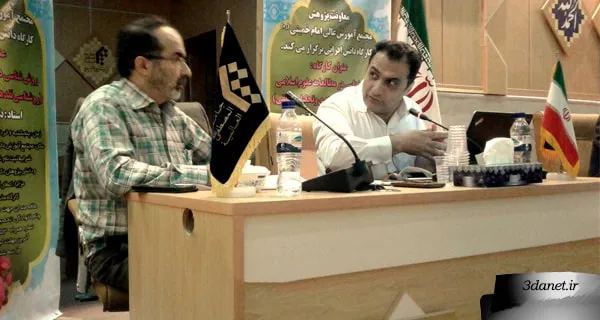
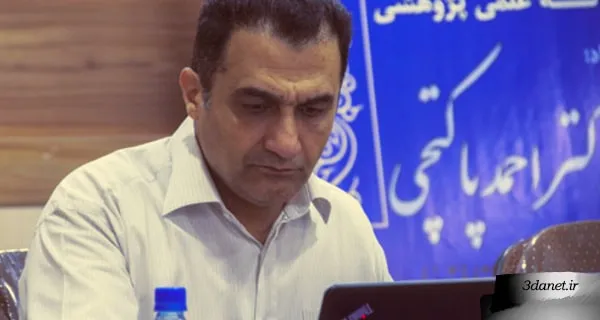
Dr. Ahmad Pakatchi, Workshop on the Sirah of the Imams from a Sunni Perspective
The differences between Shia and Sunni Islam over the Imamate—from the requirement that the Imam be Qurayshi to the doctrine of the Imam's absolute obedience—have shaped the Sunni view of the Imams' conduct. These differences have at times inspired reverence for the Ahl al-Bayt as those most worthy of the Caliphate, and at other times provoked a sense of political threat.
The first issue that draws our attention is that there are doctrinal differences regarding the fundamental principles of Imamate between Shia and Sunni Muslims, and these very fundamental differences cause the two groups' views on the sirah of the Imams to be completely different from one another. In fact, it is more accurate to say that where these doctrinal differences become more manifest, we will also encounter more disagreements, and where these differences are few, the disagreements reduce to zero. In this first part, we will review these principles.
1. Imamate
I have prepared a list of matters in which it can be said that Shia and Sunni differ fundamentally regarding the concepts of Imamate. The Zaydis, in their beliefs, hold that the Imam must necessarily be a Fatimid. Among the Sunnis, this circle is somewhat broader, meaning that based on the very hadith that was decisive in the incident of Saqifah—that is, when Abu Bakr, in his argument with the Ansar, cited the saying, “I heard from the Noble Prophet (PBUH) that ‘the Imams are from Quraysh’”—from that time onward, it has existed as an intellectual foundation among Sunnis that the Imam must be Qurayshi and that the Imamate cannot be vested in a non-Qurayshi. Even in our history, we have had challenges; for instance, certain Maghrebi and Andalusian dynasties that claimed the Imamate were criticized by a group on the grounds that they lacked Qurayshi lineage.
To this day, the issue of Qurayshi lineage remains central to the subject of Imamate and Caliphate in its Sunni sense. Right now, when Abu Bakr al-Baghdadi claims the Caliphate and Imamate, one of the first issues he raises is that he is Qurayshi, and he signs as “Abu Abdullah al-Baghdadi al-Hashimi,” in order to flaunt this Qurayshi lineage. This is, in fact, a foundation in Sunni thought, and its connection to our Infallibles and our Infallible Imams is that these Imams are from the most central clan of Quraysh, namely Banu Hashim. Therefore, ordinarily and naturally, based on this Sunni perception that the Imam and Caliph must be Qurayshi, there was always a suspicion that at some point our Imams might claim the Caliphate and Imamate in its political sense, and if such a claim were to occur, it could be welcomed.
As an example, in the matter of the heir apparency of Imam Reza (AS), we are faced with precisely such a phenomenon. That is, this heir apparency could have met with, and did meet with, very great acceptance among Sunnis, precisely because Banu Hashim were the most central clan of Quraysh, and this made their position exceptionally distinguished.
But this discussion of generalization—to broaden the circle of the Imamate so that individuals could come and assume the Imamate—never meant that they wished to exclude the Ahl al-Bayt from this circle. Aberrant ideas, such as the Bakriyya, who believed that the Imamate of Abu Bakr was divinely decreed, have never been seriously proposed in history, and as researchers of history, we doubt whether anything called the Bakriyya ever even existed on the face of the earth. That is, it is possible that this entire sect is an imaginary and hypothetical matter, where we suppose there might have been people who held the same claim about Abu Bakr that the Imami Shia held regarding the divinely decreed and immediate Imamate of Ali (AS), and we imagine what would have resulted, and we call it the Bakriyya, imagining that such a thing truly existed in history.
In the first century, we have the Alawite movement, the Shia of Ali, and the Uthmaniyya movement, or the Shia of Uthman, but no movement is observable anywhere in history as a movement of those asserting the immediate Imamate and divinely decreed Imamate of Abu Bakr, named the Bakriyya. There is, in fact, another extreme movement among the Abbasids. The Abbasids refer to a Shia sect that emerged in the late Umayyad period and paved the way for the transfer of the Caliphate from the Umayyads to the Abbasids; they also have a narration, such as “The earth is never devoid of an Abbasid Imam,” and they transmit this from the Noble Prophet (PBUH). It is a very aberrant claim that appears in no more than one or two sources, was never taken seriously at any time in history, and the Abbasids never claimed that their Imamate was a special Imamate that previous ones did not possess.
To make the discussion a little clearer, let me focus on the issue of generalization. The issue of generalization, which could never exclude the Ahl al-Bayt from this circle. Even considering that in the Sunni milieu, the issue of the Ahl al-Bayt and Fatimid lineage can itself be very generalized—since we only believe in the Imamate of the Twelve Imams and it is not the case that everyone from the lineage of Lady Zahra (SA) should have the right to the Imamate—yet among Sunnis, for whom Quraysh is central to the Imamate and Banu Hashim can, in a way, have priority in the Imamate, we witness that regarding some individuals whom we, as Twelver Shia, do not at all expect to have the Imamate, the Sunnis were concerned.
This concern, in fact, always existed, and naturally, when we speak of the Twelve Imams, who enjoyed a special spiritual status not only among the Shia but also among other segments of Muslims, we can keep this matter in mind: the concern over a claim to the Caliphate.
این که ما الان داریم بعد از هزار و اندی درباره ائمه قضاوت می کنیم که بعد از امیر مومنان (ع) درصدد تشکیل یک حکومت بر نیامدند بخاطر مصالحی که اقتضا می کرد اما در زمانی که زنده بودند و حضور داشتند خلفا این نگرانی را داشتند بازهم تکرار می کنم که همین که مامون ولایتعهدی را به امام رضا واگذار می کند خود نشان دهنده این است که مامون می خواهد با انتقال ولایتعهدی به امام رضا (ع) که از نظر عامه مردم بعنوان سزاوارترین فرد برای خلافت شناخته می شود به نوعی می خواهد برای خود کسب مشروعیت کند که قرار است ایشان بعد از من بعنوان خلیفه شناخته شود پس من ادم خوبی هستم.
این نگرش طبیعتا در طول تاریخ برای روی عملکرد علمای اهل سنت در سیره نگاری تاثیر گذار بود. مثبت بود و هم منفی. مثبت به این معنا که علمای اهل سنت همیشه به این بزرگان به دید افرادی نگاه می کردند که بالقوه افراد سزاوار و لایقی هستند برای برعهده گرفتن یک مقام، و چه بسا سزاوارتر از کسانی هستند که الان مقام خلافت را دارند. من در ادامه بحث ها به منابعی از اهل سنت را که به این مساله تصریح دارند معرفی خواهم کرد. این جنبه مثبت است و جنبه منفی احساس خطر است وقتی احساس خطر وجود داشته باشد نویسندگانی دست اندر کار می شوند که این نوع خطر را به نحوی دفع کنند. بنابراین این دفع خطر ممکن است گاهی اوقات به صورت عدم ذکر باشد. مثلا فرض کنید در منابع و کتبی که انتظار میرود نام برخی از این بزرگواران برده شود یکدفعه ببینیم که جای خالیشان دیده می شود یا ممکن است ذکر شده باشد ولی حق مطلب ادا نشده باشد.
2.مفترض الطاعه
مساله مفترض الطاعه بودن ائمه یکی از اختلافات بنیادی بین شیعه و اهل سنت است. اهل سنت با توجه به این که امامت را به اختیار می دانستند نه به نصب من قبل الل.، مساله طاعت برای اهل سنت با آنچه که در شیعه بعنوان افتراض طاعت و مفترض طاعه بودن بود، متفاوت بود. افتراض طاعت خلیفه در اهل سنت از باب شخصیت حقوقی بود نه از باب شخصیت حقیقی.
دوستان می دانند که مطیع بودن« برا او کان فاجرا» جز عقاید اهل سنت بود. قاطبه اهل سنت به استثنای معتزله که خود اهل سنت به آن ها سنی نمی گویند و ما شیعیان به آن ها اهل سنت می گوییم، مثل معتزله ان اکثریتی که در تاریخ به نام اهل سنت شناخته می شوند آن ها معتقدند که پیروی از امام و خلیفه واجب است و باید از ان اطاعت کرد اما اطاعت را از خلیفه بما هو خلیفه می دانند نه به اعتبار این که این خلیفه مشخصا منصوص و منصوب است و اطاعت او اطاعت رسول و اطاعت خدا است بنابراین یک تفاوت اساسی بین تفکر شیعه و اهل سنت در مورد مساله مفترض الطاعه بودن وجود دارد. برای همین است که در طول تاریخ همیشه اعتقاد به امام مفترض الطاعه که یکی از ویژگی های شیعه امامیه دانسته شده است یعنی هر وقت میخواهند راجع به مشخصات فکری شیعه امامیه صحبت کنند یکی از مشخصات فقهی این است که شیعیان قائل به امام مفترض الطاعه هستند یعنی افترض الله طاعته علی خلق. یک چنین معنایی دارد.
نتیجه این در سیره نگاری چه خواهد بود؟ اگر ما این را مفروض بگیریم که مفترض الطاعه بودن میان اهل سنت به اعتبار شخصیت حقوقی است و نه حقیقی، بنابراین افرادی که هنوز به مقام امامت و خلافت نرسیده اند چنین موضوعی در مورد ان ها منتفی است. زمانی اطاعت واجب می شود که فردی در آن مقام قرار گرفته باشد. این موضوع باعث می شود که اساسا مساله طاعه ائمه اهل بیت برای اهل سنت منتفی باشد. مثلا فرض کنید برای ما امام حسین (ع) فرمایشی را مطرح می کنند و خیلی به دیده اعتنا به این مساله نگریسته نمی شود. آن تفکر اساسا افتراض طاعت به اعتبار آن صندلی است تا زمانی کسی روی ان صندلی ننشسته است افتراض طاعت ندارد و افتراض طاعت حقیقتا به خود فرد مربوط نمی شود و با توجه به اینکه غیر از امیر مومنان (ع) و دوره کوتاه خلافت امام حسن (ع) هیچکدام از ائمه اهل بیت در جایگاه این که برکرسی خلافت و امامت (امامت به معنای سنی) بنشینند پیدا نکردند در ان صورت مساله مودت و محبت بر آن ها جدی است ولی مساله اطاعت خیر،. یعنی بحث این است که اهل بیت را دوست داشت ازباب ما اسئلکم علیه اجرا الا الموده القربی ولی به این معنا که باید از اهل بیت اطاعتی داشت برای آن ها منتفی است یعنی در آن زمان اهل بیت در جایگاهی قرار نگرفته اند که اطاعت آن ها واجب باشد. این موضوع باز در بحث سیره نگاری بازتاب دارد.
نکته دیگر این که میان اهل سنت ما جریانی داریم که در زمانی که خود خلفا حضور داشتند خلفا آنقدر بالا برده نمی شدند که در قرن های بعد انقدر بالا برده شده اند. During the time of the Caliphs, the Caliphs were very easily criticized by those around them; we do not forget throughout history how intensely and with what a sharp tone the second Caliph objected to the first Caliph regarding Malik ibn Nuwayra and the events that occurred. The story of Khalid ibn al-Walid and the incident he brought about is a point that Tabari and other historians have noted.
Towards the end of Umar's era, a desire had settled in the hearts of a broad group to propose a concept known as the Sirah of the Two Shaykhs (al-Shaykhayn). Our evidence for this is that Abd al-Rahman ibn Awf, in the six-member council, when he lobbied the Commander of the Faithful and Uthman one by one, the issue he raised was: "I pledge allegiance to you on the basis of 'the Book of God, the Sirah of the Messenger of God, and the Sirah of the Two Shaykhs after him.'" The Imam said: "No. I know the Book of God and the Sirah of the Messenger of God; if others have acted according to the Sunnah and the Book of God, I too will act accordingly; if they did not act according to it, I will not prioritize anything over the Book and the Sunnah." The same proposal was made to Uthman, and Uthman accepted. The six-member council's situation shifted with Abd al-Rahman ibn Awf. Later, during the caliphate of the Commander of the Faithful (AS), Ibn Qutaybah's al-Imamah wa al-Siyasah and some other sources also state that a man from the Khath'am tribe, when the matter of the second and renewed pledge of allegiance was raised, said: "I pledge allegiance to you on the same condition of the Book, the Sunnah, and the Sirah of the Two Shaykhs," which the Imam did not accept, and this indicated that the issue had become serious.
One of the criticisms leveled at Uthman when they were killing him was that he had not acted according to the Sirah of the Two Shaykhs. However, in later periods, i.e., the late second century, Muhammad ibn Idris al-Shafi'i emerged and attempted to codify the jurisprudential foundations of Ahl al-Sunnah, and this matter was practically set aside. That is, from the time the jurisprudential foundations were codified, the Sirah of the Two Shaykhs was no longer cited as a legal proof and authority by Ahl al-Sunnah. Therefore, it must be considered as belonging to the period before codification.
3. Infallibility (Ismah)
This discussion continues with issues such as being infallible, like the fact that Ahl al-Sunnah do not consider our Imams infallible, but we consider them infallible, which requires no explanation.
3. The Knowledge of the Imams
The origin of the Imams' knowledge in the view of Ahl al-Sunnah is that the knowledge the Imams possess is like the knowledge of other individuals, which they learned in classes. Part of it may be knowledge they learned from their forefathers; some may be knowledge they learned from other individuals. For example, in the books of Ahl al-Sunnah, many narrations are mentioned on the authority of Imam al-Baqir (AS) from Jabir ibn Abdullah al-Ansari, stating that the Imam met Jabir ibn Abdullah and transmitted narrations from him.
The Imami Shi'a, in fact, do not hold the belief that the Imami Imams received knowledge from a non-infallible source. Even on this account, sometimes the scholars of Ahl al-Sunnah and the elders of the Zaydiyya would criticize the Imami Imams. We have an example regarding Abdullah ibn al-Hasan; when they comment on Imam Ja'far al-Sadiq (AS), they say that Imam Ja'far al-Sadiq (AS) did not learn knowledge and was not a student of any teacher, and in this way, they seek to weaken and criticize him, whereas for the Imami Shi'a, this matter is resolved, and it is not something seen as a flaw or objection.
This situation causes the biographical writings (Sirah-writing) and biographical evaluations (Sharh-e Hal-writing) that exist about the Imams in Shi'a and Sunni traditions to have fundamental differences from each other. In Shi'a biographies, you will not find items that contradict infallibility, but in the biographies written by Ahl al-Sunnah, you see such things.
One of the sources that addressed the conflict between these two is the final part of Sayyid Murtada's Tanzih al-Anbiya wa al-A'immah, where he discusses the Imams in the final section and examines and evaluates some of the attributions of error or sin made to the Imams, attempting a theological defense of the theory of infallibility. But this also has an implicit contrary meaning, which is that in the biographical writing circles of Ahl al-Sunnah, many things were transmitted about the Imams.
The impact of the origin of the Imams' knowledge on the discussion of Sirah is quite clear. When you look at the books of Ahl al-Sunnah when they speak about the Imams, you see that they insist, even with some strain, on dedicating a section to their education and mentioning teachers (Mashayikh) for them in the usual manner, because they generally say that if a person is recognized as a scholar, they must have teachers, and those teachers must be identified. Sometimes they have even strained themselves and been unable to find teachers. For example, suppose one of the sources that has been very generous in this regard and has looked at the issue with great breadth of perspective is al-Dhahabi's Siyar A'lam al-Nubala.
Dhahabī, in his *Siyar Aʿlām al-Nubalāʾ*, which is biographical in nature and recounts the lives of the great scholars of the [Islamic] schools, has also dedicated entries to the Twelve Imams. Under each Imam, when he begins to recount their biography—for example, look at the entry for Imam Muḥammad al-Bāqir (ʿa), Imam Jaʿfar al-Ṣādiq (ʿa), or Imam Mūsā al-Kāẓim (ʿa) in Dhahabī’s *Siyar Aʿlām al-Nubalāʾ*—you will see that dozens of names appear in the list of the teachers (mashāyikh) of these noble figures as reflected in the book. When we talk about the Imams in Shīʿī books, compare this, for instance, with al-Shaykh al-Mufīd’s *al-Irshād*, or with the section on the sīrah of the Ahl al-Bayt in *Biḥār al-Anwār* or other sources: no section on their teachers is presented at all. This is because there is never a perception that they studied in this manner. Therefore, the entire framework of their sīrah regarding the Ahl al-Bayt has a fundamental difference in this respect.
**The Relationship between Imam and Caliph**
To complete this part of the discussion, I just wanted to review the point that in the sīrah-writing of the Ahl al-Bayt, the theological relationship between Imam and Caliph is also very important. We often consider Imam and Caliph as equivalent, and sometimes we do not, and our position on this matter is not clear. For example, when we talk about Imam Jaʿfar al-Ṣādiq (ʿa), we speak very comfortably about Imam Jaʿfar al-Ṣādiq (ʿa), but we never say that Imam Jaʿfar al-Ṣādiq (ʿa) was a Caliph. Even as Twelver Shīʿa, we never use the term “Twelve Caliphs” in place of “Twelve Imams.” This very issue has caused the concept of Caliphate to acquire a Sunnī semantic load. Very often in Shīʿī books, expressions are used such as “the followers of the school of the Caliphate”; the meaning of this phrase is that the Caliphate has a non-Shīʿī meaning, that a school of the Caliphate came into being, and we are talking about the followers of the school of the Caliphate. What is it, fundamentally, that has created such a gap between the meanings of Imam and Caliph? Paying attention to this characteristic can be very important. Among the Sunnīs themselves, this issue also exists, meaning the relationship between Imam and Caliph is discussed in many places within Sunnism. Therefore, if we want to study the correct Sunnī perspective on the sīrah of the Ahl al-Bayt, it is important that we pay attention to whether or not they placed a distance between Imam and Caliph.
Like Ibn Ṭūlūn al-Dimashqī, whom we will talk about later, as a Ḥanafī scholar of Syria. Why can he speak of “the Twelve Imams” and introduce our twelve Imams under the heading of “the Twelve Imams,” yet when he wants to speak of the Caliphs, he says the Caliphs were other people? How was he able to separate the two concepts of Imam and Caliph? And what was the basis of his understanding? This is not our topic right now. I just want to say that paying attention to the relationship between Imam and Caliph solves many puzzles for us in the discussion of Sunnī sīrah-writing.
In the discussion of the relationship between Imamate and Caliphate, we have three of the Imams (Imam ʿAlī (ʿa), Imam Ḥasan (ʿa), and Imam al-Zamān (ʿa)), but let us speak about the two noble figures (namely Imam ʿAlī (ʿa) and Imam Ḥasan (ʿa)) who actually assumed the Caliphate. One is Amīr al-Muʾminīn (ʿa), who assumed the Caliphate after the third Caliph, ʿUthmān ibn ʿAffān, and served as Caliph for about four years. He was an official Caliph of the Sunnīs, recognized as the fourth Caliph. The other is Imam Ḥasan (ʿa), after the martyrdom of Amīr al-Muʾminīn (ʿa), the people of “loosing and binding” (ahl al-ḥall wa-l-ʿaqd) gathered to decide who would succeed Amīr al-Muʾminīn. The army was still at war with Syria. Ibn ʿAbbās’s suggestion of Imam Ḥasan (ʿa) for the Caliphate was put forward; the ahl al-ḥall wa-l-ʿaqd also accepted, and they pledged allegiance to him as Caliph in the very sense that existed among the common people (ʿāmma). Thus, Imam Ḥasan (ʿa) became Caliph in the same sense that Abū Bakr, ʿUthmān, and Amīr al-Muʾminīn (ʿa) were Caliphs. However, this matter did not last more than a few months, and this office was transferred to the Umayyads.
**The Rightly Guided Caliphs**
The concept of the Rightly Guided Caliphs (al-Khulafāʾ al-Rāshidūn) in the Sunnī milieu was formed, in a way, in connection with this very subject. The Sunnīs, considering that the Caliphate of the four or five Caliphs—meaning, if we take into account that short period of Imam Ḥasan’s Caliphate—was entirely different from the rest of the Caliphs, created a conceptualization. Because they wanted to separate this Caliphate from the other Caliphates, they used the term “the Rightly Guided Caliphs” (al-Khulafāʾ al-Rāshidūn): the guided Caliphs, the rightly-directed Caliphs, the Caliphs who had found the correct path, from their own perspective. There is even a narration transmitted from the Noble Messenger (ṣ) in this regard. For example, there is a well-known ḥadīth in Sunnī sources, including in the Ṣiḥāḥ Sitta, to the effect that “The Caliphate after me is thirty years,” or in some narrations, “The Prophetic Caliphate after me is thirty years, then it will be kingship.”
According to one narration, and in some narrations it is said, “Then God gives it to whom He wills.” That is, the perception arose that the true caliphate was only in the Rightly Guided Caliphs, and that too for a period of thirty years, and after that it is kingship and dominion, and the term caliphate is used in its figurative sense and not in its true sense, and to make this distinction the expression “Rightly Guided Caliphs” is used.
We are not concerned with whether this narration was issued from the Prophet as a prophecy or was fabricated in later periods and attributed to him, and it is not the subject of our discussion; what is the subject of our discussion is that this hadith exists in the Sahih collections of the Sunnis and became the ideological basis for a broad spectrum of Sunnis. Naturally, when this turns into an ideological matter, it causes you to ascribe a special and distinctive characteristic to the Rightly Guided Caliphs, such that among the later caliphs, some attempted to do this by counting Umar ibn Abd al-Aziz among the Rightly Guided Caliphs. But regarding the other caliphs, no one did such a thing.
Belief in such a basis means that the status of the Commander of the Faithful (AS) specifically, and for those who consider the Rightly Guided Caliphs to be five, not four, this matter includes Imam Hasan (AS), you believe in a privileged situation compared to the rest of the caliphs. That is, you look at these matters through the lens of a Rightly Guided Caliph, and when you look at a Rightly Guided Caliph, a sacred aura forms around this figure. In such a way that this sacred aura does not form around other figures. For example, suppose the books of several Sunni luminaries who have treatises and books stating the virtues of the Four Rightly Guided Caliphs, meaning they ascribe a special and distinctive character to them and consider them to be of a different cloth.
An interesting case is in the book Hilyat al-Awliya by Hafiz Abu Nu'aym al-Isfahani, where you see that after the Noble Messenger, he begins introducing the saints with the four caliphs, and it is not the case that he first lists various caliphs, then says Mu'awiya, then says Yazid, and when the caliphs are finished, we move on to non-caliphs. That is, they were considered as the foremost and leaders of the saints. In Persian-writing Sunni thought, one is familiar with the concept of the Four Saints or the Four Friends, which are expressions frequently mentioned in Persian texts. This privileged situation is important in sirah writing, meaning the sirah writing of the first four caliphs, and sometimes the sirah writing of the five caliphs, has been distinguished from the sirah writing of the rest of the caliphs. The rest of the caliphs do not have this sacred aura. That is, when you study their biographies, you see that they do not have this sacred aura and it introduces a ruler, and if a section is dedicated to his merits and virtues.
For example, in al-Kamil by Ibn Athir, when he reports the death of a caliph, he recounts a story and the states, conduct, and characteristics of that caliph. And when he speaks about the practical conduct of that caliph, he speaks in a completely earthly manner about whether this caliph was just, knowledgeable, and devout or not? But you do not observe that sacred aura like that of al-Qadir Billah or al-Mu'tasim or other caliphs. The Rightly Guided Caliphs were distinguished from the rest of the caliphs. This itself has a significant impact on the discussion of sirah writing.
Characteristics of Ali (AS) in Sunni Sirah Writing Sources
Here I will provide a list only regarding the Commander of the Faithful. Regarding what a Sunni scholar pays attention to in sirah writing when he wants to speak about the Commander of the Faithful? And who is the Commander of the Faithful for him? The Commander of the Faithful as one of the Ahl al-Bayt. For example, when Muhibb al-Din al-Tabari writes Dhakha'ir al-Uqba, Dhakha'ir al-Uqba fi Mawaddat Dhi al-Qurba, there, one of those Ahl al-Bayt and Dhi al-Qurba is the Commander of the Faithful (AS). And others who wrote books about the virtues of the Ahl al-Bayt, such as Ihya' al-Mayyit bi-Fada'il Ahl al-Bayt by Jalal al-Din al-Suyuti, a large section of it is dedicated to the virtues of the Commander of the Faithful (AS) because the Commander of the Faithful (AS) is seen as a figure of the Ahl al-Bayt. When he examines the Commander of the Faithful (AS) as one of the Ahl al-Bayt, he is no longer placed alongside the rest of the caliphs; he is placed alongside the figures of the Ahl al-Bayt, that is, alongside Lady Zahra (AS) and the two Hasans (AS) and occasionally their descendants. There is a broad spectrum of Sunni texts that have addressed the Commander of the Faithful (AS) from this perspective.
1. Ali is the Divider of Paradise and Hell
For example, the narration “Ali is the divider of Paradise and Hell” is transmitted by al-Hanbali in the book Tabaqat al-Hanabila. Someone came to Ahmad ibn Hanbal, who is one of the strict scholars of the Sunnis, and asked him whether this hadith is correct or not; they said, “Yes, it is correct.” They said, “How can Ali be the divider of Paradise and Hell?” He replied, “The most authentic narration from the Prophet is that ‘None loves you but a believer, and none hates you but a hypocrite.’”
If none but a believer loves Ali and none but a hypocrite hates Ali, then Ali becomes the divider of Paradise and Hell. This is the reasoning of Hanbal, and it is not mentioned in the book *A‘yan al-Shi‘a*; it appears in the book *Tabaqat al-Hanabila* by Ibn Ya‘la. That is, the proponent is the Imam of the Hanbalis, and the transmitter is also one of the staunch followers of the Hanbalis. The Twelver Shi‘a have no part in this narration at all, and the entire Sunni community transmits this narration, and we have a shared view between the two sects. There may be individuals among the Sunnis who are extremists, but the vast majority of them are not like this; rather, it is a small minority. When you consider Ali (AS) as one of the Ahl al-Bayt (AS), it brings privileges for Imam Ali that others do not have.
2. The Ten Promised Paradise
We discussed the Commander of the Faithful (AS) as one of the caliphs; naturally, the Rightly Guided Caliphs are one of the wholes within which the Commander of the Faithful (AS) is placed. The Sunnis are very serious about the issue of the Ten Promised Paradise. A narration from Zayd ibn Umar ibn Nufayl transmits from the Noble Prophet (PBUH) that the Prophet gave glad tidings of Paradise to ten people, and among these ten is the name of the Commander of the Faithful (AS). Therefore, some Sunni scholars, like Muhibb al-Din al-Tabari, when writing the book *Al-Riyad al-Nadira fi Manaqib al-‘Ashara al-Mubashshara*, deal with the biography, virtues, and excellences of the Commander of the Faithful (AS) as one of the Ten Promised Paradise.
3. Being a Companion
One of the issues raised for the Commander of the Faithful (AS) is that the Commander of the Faithful (AS), besides being from the Ahl al-Bayt, a caliph and Imam, and one of the Ten Promised Paradise, is also one of the Companions of the Prophet. In the book *Musnad Ahmad ibn Hanbal*, approximately one-seventh of the *Musnad* consists of narrations that the Commander of the Faithful (AS) transmitted from the Noble Prophet (PBUH). It is a considerable volume; therefore, the status of such a Companion cannot be ignored. The books that exist on the historiography of the Companions deal seriously with the life of the Commander of the Faithful (AS), and in fact, one of the places where the status of the life of the Commander of the Faithful (AS) can be observed in the biographical works of the Sunnis is the books on the Companions. *Sirah* and *Sahabi* can be taken in one sense, because a Companion, insofar as he is a Companion, possesses a kind of sanctity among the Sunnis. With theories like the justice of the Companions and the like, he is automatically a Companion, and a Companion has sanctity. Meanwhile, sometimes among the Companions themselves, a special distinction is given to the Commander of the Faithful (AS). For example, Ibn Sa‘d in the book *Al-Tabaqat*, when he opens a discussion on the Companions, opens a heading somewhere under the title 'The Jurists among the Companions,' and under 'The Jurists among the Companions,' he names only a few, countable individuals, and one of them is the Commander of the Faithful (AS). Of course, 'jurist' is definitely not in the terminological sense we understand today, but he wants to say those Companions who were people of knowledge and learning.
4. Ali (AS) Being Among the Saints
And likewise, Ali ibn Abi Talib as one of the saints. In any case, the Commander of the Faithful (AS) as one of the saints—in Sunni culture, we have the concept of *wali* (saint), and the concept of *wilayah* (sainthood/guardianship) is a serious concept among Sunnis. The hadith 'Man kuntu mawlahu fa-hadha Aliyyun mawlahu' (For whomever I am his master, this Ali is his master) is frequently seen in Sunni books, and with the exception of a few individuals to whom the denial of the Hadith of Ghadir is attributed, such as it is attributed to Abu Dawud, Jabir, and Sijistani, the vast majority of Sunnis have no doubt about the issuance of this hadith from the Prophet.
We have numerous verses in the Holy Quran that speak about the saints of God, and it is very extensive, and this itself provides the groundwork for every individual working in the field of Islamic thought to have their attention drawn to these saints of God to see who these saints of God actually are. Therefore, the search for identifying instances of the saints of God leads to an Islamic issue from the very early centuries, regardless of what sect or denomination the individual belongs to. To understand the Quran, it is necessary to know who these saints of God it speaks of are; the Quran has spoken about this dozens of times. Therefore, the issue of Ghadir is placed in one corner of the story; otherwise, the Quran itself speaks about this repeatedly, and in some cases which there is no need to mention now, but we have discussed before, the Quran has a triangle: there are individuals who are the *wali* of God and the *wali* of the believers, 'Your guardian is only Allah...' and other verses that exist in this regard. This has caused people from the very beginning to seek to identify these instances, and the books written with the title *Al-Wilayah* or words close to it are in fact based on identifying the instances of the *wali* of God and the *wali* of the believers. And this is the slogan of the Shi‘a in the call to prayer, and not as a part of the call to prayer but as an additional invocation said after it: 'I bear witness that Ali is the *wali* of God' is in fact a testimony that the most perfect instance of the *wali* of God is the Commander of the Faithful.
پس این بحث شروع شد و کتابهای متعددی در این باب نوشته شده است در بین اهل سنت آن گروهی مفهوم ولایت را بیشتر جدی گرفتند که امروز تحت عنوان عرفا و صوفیه آن ها را می شناسیم. اما در بین متفقهه و متکلمین عملا مفهوم ولایت به یک موضوع اخلافی تبدیل شد و آن جایگاه کلامی خود را از دست داد. برای عرفا و صوفیه که به مسائل اخلاقی خیلی توجه داشتند مفهوم اولیا خیلی جدی شد. اینجاست که شما می گوید ابو نعیم اصفهانی حلیه الاولیا را می نویسد عطار نیشابوری تذکره الاولیا و ده ها کتاب دیگری مانند طبقات الاولیاء انصاری و بسیاری از دیگرانی که در این زمینه کتاب نوشته اند. این ها همه بدنبال مصداق یابی اولیا بودند و نام امیر المومنین (ع) همیشه در صدر جدول این اولیا قرار می گیرد. چنان که در حلیه الاولیا و جاهای دیگر نیز به همین منوال است و می توان مسئله را دید. بنابراین قسمتی از مساله به این بحث بر می گردد. برخی از عرفا مثل حکیم ترمذی کتابی دارند با عنوان ختم الولایه و همین ختم الولایه را بعدا ابن عربی با عنوان ختم الولایه ادامه داده و تئوری پردازی کردند. الان هم کتاب حکیم ترمذی و عنقامغربفيختمالاولياءابن عربی موجود است در واقع باز خوانی ختم الولایه حکیم ترمذی است. در آنجا امیر المومنین (ع) بعنوان امام بلافصل بعد از پیامبر اکرم (ص) معرفی شده اند با این که هیچ کدام از این دو نفر شیعه نیستند به معنای مورد نظر ما. امیر المومنین بعنوان ولی بلافصل بعد از پیامبر اکرم (ص) معرفی می شوند و بعد بدنبال این هستند که ولی های بعدی چه کسانی هستند و ولایت به کجا ختم می شود. حتی نظریه ای در بین عرفا است که همانطوری که ما ختم نبوت داریم ختم ولایت داریم. همانطور که خاتم انبیا داریم خاتم الاولیا هم داریم و خاتم الاولیا کسی نیست جز حضرت مهدی (ع).
حضرت مهدی
زمان جلسه اجازه نمی دهد راجع حسنین ع صحبت کنم و این که گفتم سه نفر از ائمه که اهل سنت برای آن ها خلافت قائل هستند اهل سنت برای امام مهدی ع خلافت قائل هستند. اهل سنت تاکید بر این دارند که حضرت مهدی (عج) خلیفه هستند. اما در مورد تعیین آن بحث های زیادی وجود دارد که حضرت مهدی که می خواهند خلیفه شوند دقیقا چه کسی است. به همین دلیل در طول تاریخ سو استفاده های مکرری از این مساله وجود داشته است. مثلا فرض کنید منصور خلیفه عباسی نام فرزند خود را محمد می گذارد و اسم او می شود محمد بن عبداله برای این که این اسم و مشخصات استفاده کند که بگوید این مهدی موعود است و لقب مهدی هم برای او به کار برده می شود. این کار در دوره های بعدی هم توسط افراد دیگر مکررا تکرار شده. گویی می خواستند با اینکار تثبیت خلافتی را انجام دهند ولی من سریع از روی این رد میشوم زیرا در این موضوع سیره به جنبه اصطلاحی قابل بحث نیست. اگر ما سیره را بعنوان یک میراثی باقی مانده باشد مبنای تعلیم اخلاقی و دینی در نظر بگیریم مساله خلافت حضرت مهدی اتفاقی است که باید در آینده بیفتد اتفاقی نیست که در گذشته افتاده باشد.
کتابهای متعددی در این مورد وجود دارد ولی البیان فی اخبار مهدی اخر الزمان از محمد بن یوسف حافظ گنجی، کتاب عقد الدرر مقدسی الاعرف الوردی فی اخبار المهدی سیوطی، کتاب البرهان فی اخبار المهدی سید علی متقی هندی و خیلی موارد دیگر. .(که شاید به بیست برسد). البته این موضوع و کتاب ها به معنای تاریخی نیست بل که به معنای پیشگویی است.
منابع اهل سنت درباره سیره اهل بیت
درباره منابعی که به ائمه ما پرداخته اند در فضای عمومی اهل سنت ما کتاب هایی را ببینیم که به امیر المومنین (ع) و حسنین پرداخته اند. کتاب عمومی که مربوط به احادیث هستند مثل معجم الکبیر طبرانی، کتب عمومی مربوط به سیره نبوی و مغازی مانند سیره واقدی و ابن هشام و کتب عمومی مربوط به صحابه مثل الاستیعاب ابن عبدالبر، اسدالغابه ابن اثیر، الاصابه ابن حجر و دیگران، و دیگران و یا صحابه خاص مثل الریاضه النظره محی الدین طبری که خاص عشره مبشره است، کتب عمومی مربوط به اخبار الخلفا منسوب به ابن قتیبه، مثل تاریخ الخلفا سیوطی و کتابهای دیگر که در این زمینه وجود دارد.
کتب عمومی تفسیر و اسباب النزول به مناسبت تفسیر برخی از سوره ها و آیه ها مثل سوره هل اتی و خیلی آیات دیگر آیه تطهیر و. . . به اطلاعاتی پرداخته اند که به سیره ائمه مربوط میشود و خیلی وقت ها سیره به معنای لب کلمه است. مثلا کتاب زین الفتی فی تفسیر سوره هل اتی از عاصمی(از علمای کرامیه) که مربوط تفسیر همین سوره نوشته شده شما کاملا در در آنجا جنبه می توانید جنبه سیره را مشاهده کنید. بعنوان تفسیر یک سوره. و اخیرا این کتاب توسط مرحوم محمودی چاپ شده است.
In books of biographical classes, such as the Tabaqat of Ibn Sa'd, in the general histories of Islam by al-Dhahabi, Siyar A'lam al-Nubala' by al-Dhahabi, Wafayat al-A'yan by Ibn Khallikan, in general historical works such as Ansab al-Ashraf by al-Baladhuri, the History of al-Ya'qubi, the History of al-Tabari and the like, and in local histories such as the History of Baghdad, a large volume of information is provided about Amir al-Mu'minin (AS) and Imam al-Kazim (AS). The History of the City of Damascus by Ibn 'Asakir is excellent. The section pertaining to Amir al-Mu'minin was published by the late Mahmudi in three volumes. The section on Imam al-Hasan (AS) and the section on Imam al-Husayn (AS) have each been printed in one volume. There is a section on Imam Zayn al-'Abidin and the other Imams. And the History of Nishapur by al-Hakim al-Nishapuri, the original of which is unfortunately not available to us, but a vast amount of al-Hakim al-Nishapuri's information about the life of Imam al-Rida (AS) has been transmitted both by Ibn Babawayh in 'Uyun Akhbar al-Rida and by Ibrahim al-Juwayni in the book Fara'id al-Simtayn. Books related to genealogy, such as al-Shajara al-Mubaraka by Fakhr al-Razi and other works written on genealogies.
The only point I should mention regarding the type of classification is that although these works are almost common in their foundations regarding our Imams, they differ from one another in one respect. In this classification, we have somewhat overlooked doctrinal differences. Ibn Sa'd, of Medinan lineage with his Medinan biases, is very different from someone like al-Tabari, who is of Iranian lineage and has a strong inclination towards Shi'ism, and for now we are only categorizing based on literary type and genre, not the author's inclinations, as that itself is another story.
Among the Sunnis, there is a group of writers with jurisprudential-theological inclinations who have addressed the Twelve Imams, and we can call them Sunni Twelvers. That is, by fully referring to their books, their lives show that they did not abandon the Sunni school. Nevertheless, their view regarding the Imams of the Ahl al-Bayt reaches a point where they emphasize exactly the same Twelve Imams in whom the Shi'a believe as the Imams in their own sources, as the Imams.
There are many books on this matter. Manaqib al-Su'ul fi Fada'il Al al-Rasul, belonging to a Shafi'i scholar from Baghdad; Kifayat al-Talib fi Fada'il Ali Abi Talib by Muhammad ibn Yusuf al-Ganji al-Shafi'i, who was killed in the year 658 AH and was from the city of Ganja in the present-day Republic of Azerbaijan. When he dedicates a chapter to each of the Twelve Imams one by one and reaches Imam Hasan al-'Askari (AS), the next Imam is the son of Imam Hasan al-'Askari (AS), and we have addressed this in an independent book. His independent book is al-Bayan fi Akhbar Mahdi Sahib al-Zaman, both of which exist and have been published; that is, in fact, the book al-Bayan is the second volume of Kifayat al-Talib and was written independently about Imam al-Zaman (AS) with the same Shi'i view, meaning Mahdi Sahib al-Zaman is the immediate son of Imam Hasan al-'Askari (AS). This spectrum of Sunni writers agrees with the Shi'a on the very persons of the Imams, but they still retain their own Sunni perspectives on certain theological foundations. Of course, these also differ. For instance, suppose a person like al-Juwayni is very close to the Shi'a, but someone like Ibn Sabbagh al-Maliki is not as close to the Shi'a. Sibt ibn al-Jawzi, the grandson of the Hanbali scholar of Baghdad, who himself, unlike his grandfather, adhered to the Hanafi school, in his book Tadhkirat al-Khawas, or Tadhkirat al-Khawas al-A'imma, which is the full name of this book, is about the life and sirah of the Twelve Imams. Fara'id bi-Fada'il al-Rasul wa al-Amir wa Fatima wa al-Sibtayn is actually about the Five Holy Ones, but practically, after Imam al-Husayn (AS), the subsequent nine Imams are also mentioned in this book.
Writing works with a Sufi inclination
The Sufis of the Sunni school have also written many works in this area and about our Imams. In the Sunni Sufi milieu, for example, in the book Hilyat al-Awliya' by Hafiz Abu Nu'aym al-Isfahani, Hafiz Abu Nu'aym presents the Imams as awliya', but the Imams after Imam al-Sadiq (AS) are no longer there. 'Attar of Nishapur, in the book Tadhkirat al-Awliya', begins the mention of the awliya' with Imam al-Sadiq (AS), meaning the first wali in the book Tadhkirat al-Awliya' is Imam al-Sadiq (AS); at the end of the book, he brings a biography for Imam al-Baqir (AS) which belongs to the appendices of Tadhkirat al-Awliya', and there is a disagreement among the biographers as to whether the appendices of Tadhkirat al-Awliya' were written by 'Attar himself or added to Tadhkirat al-Awliya', but what is important is that in this literary genre, Imam al-Sadiq (AS) and Imam al-Baqir (AS) are mentioned as awliya'. As a good beginning and a good ending.
In the Sunni Sufi milieu, we observe several points indicating a specific tendency to map the special and particular awliya' onto the Twelve Imams.
Sheikh Najm al-Din Kubra, who passed away in 618 AH and was the founder of the Kubrawiyya order, raised this discussion, and his students continued this path, up to Ibrahim Juwayni Hamawi, the author of Fara'id al-Simtayn. In fact, this book is a continuation of this; the reason Juwayni is called Hamawi is his connection to Sa'd al-Din Hamuyeh, who was associated with the caliph of Sheikh Najm al-Din Kubra. Sheikh Najm al-Din has a book called Fawa'id al-Jamal, but he does not make this statement in that book; it is in the book Fara'id al-Simtayn that Juwayni quotes material from Sheikh Najm al-Din. In the works of Sheikh Najm al-Din (we have about twelve works by Sheikh Najm al-Din Kubra), we do not find these discussions.
In the atmosphere of the orders of theoretical mysticism and other orders within Ibn Arabi's mysticism, a section has been dedicated to introducing the Twelve Imams. The Tadhkira of Qurtubi, which is a continuation of Ibn Arabi's thoughts, has again, in a way, dedicated a section to the Twelve Imams. In the Naqshbandi order, which emerged in Bukhara in the 8th century, we observe attention to the Twelve Imams in Khwaja Muhammad Parsa, who is the author of the book Fasl al-Khitab. Khwaja Muhammad Parsa came after Ala' al-Din Attar Bukhari, the second caliph of Sheikh Baha' al-Din Naqshband, the founder of this order. That is, the founder of the Naqshbandi order is Khwaja Baha' al-Din Naqshband; the first caliph, his son-in-law, is Khwaja Ala' al-Din Attar Bukhari. The second caliph is Khwaja Muhammad Parsa. In his book Fasl al-Khitab, which has been published, Khwaja Muhammad Parsa dedicated a section to the Twelve Imams, and in the Islamic heritage of Iran, the section on the biography of the Twelve Imams has also been independently included and published.
Mir Sayyid Ali Hamadani, another famous mystic of the 9th century, in his extant book Mawaddat al-Qurba, again discusses the Twelve Imams. And the well-known Mulla Abd al-Rahman Jami, in his book al-Shawahid al-Nubuwwa, introduces the Twelve Imams, and later mystics, until we reach Yanabi' al-Mawadda by Qumi.
That is, we are dealing with a wave where these concepts are seen both in the mysticism of Ibn Arabi and his students, and in the Sufi orders of the Kubrawiyya and Naqshbandiyya, as well as in some branches of the Shadhiliyya order prevalent in Egypt.
One of the fruits of this Sufi perspective is the book by Mulla Husayn Wa'iz Kashifi, who passed away in 910 AH, one of the sheikhs of the Naqshbandi order, who wrote the book Rawdat al-Shuhada. And we have the term Rawda-khwani (recitation of the Rawda) from the time Rawdat al-Shuhada by Mulla Husayn Wa'iz Kashifi was written; it was customary to read parts of Mulla Husayn's Rawda, and it is interesting that few Shiites believe that the author of Rawdat al-Shuhada is not a Twelver Shiite but a Twelver Sunni, and it was also written in Persian. This is an important and shocking point that this book, to this extent of influence, is the result of this intellectual current.
Muttaqi Hindi has another book called Jami' al-Kalim about the Sirah of the Twelve Imams, even though he is from the Ahl al-Sunnah, and his book Kanz al-Ummal is a fourteen-volume collection of Sunni hadith, and he is one of the well-known figures of the Ahl al-Sunnah in India.
The Basis of Twelver Sunnis in Paying Attention to the Imams
Regarding the relationship between the Caliphate and the Twelve Imams, there is a point in the book Jami' al-Kalim by Muttaqi Hindi about how they reconciled this issue among themselves (that is, their being Sunni and their attention to the Shiite Imams, in such a way that they became Twelver Sunnis), how they defined their ideological basis so that they could also accept the Twelve Imams. It is better to read here a passage from the view of Sayyid Ali Muttaqi Hindi in the book Jami' al-Kalim, where he says: The Caliphate of the Messenger of God (PBUH) is of two types: the Greater Caliphate and the Lesser Caliphate. The Greater Caliphate is the inner Caliphate, and it is specific to Amir al-Mu'minin, Karram Allah Wajhahu (AS), and no one else shares it with Amir al-Mu'minin; he is one of the great figures of the Ahl al-Sunnah. As for the Lesser Caliphate, it is the outer Caliphate over which the Ummah differed. All this dispute that exists between Shiites and Sunnis is about the Lesser Caliphate; we have no dispute about the Greater Caliphate. Then he says: The Ahl al-Sunnah wa al-Jama'ah considered it (the Lesser Caliphate) to belong to Amir al-Mu'minin Abu Bakr al-Siddiq, while the Shiites placed it with Amir al-Mu'minin, Karram Allah Wajhahu. And then he says: The Greater Caliphate was transferred through the Great Amir to the great saints, and it remains until the Day of Resurrection. But the outer Caliphate lasted for thirty years and ended with the great companions. This is how they reconciled the issue; in this way, they not only separate the Caliphate of the Rightly Guided Caliphs from that Greater Caliphate but also consider it temporary and transient, saying it ended and passed, but what remains until the Day of Resurrection is the Greater Caliphate. It is for this reason that they spend so much time and work on this subject and seek to elucidate the status of the Twelve Imams.
And this is a phrase that Thana'ullah al-Tahanawi, in his book *Kashf al-Funun*, quotes from the book *Mir'at al-Asrar*, saying: "Some Sufis have said: The Caliphate is of two kinds: the Lesser Caliphate, which is the Imamate and the exoteric leadership, and the Greater Caliphate, which is the Imamate and the esoteric leadership, as was the case with 'Ali, may God be pleased with him." They have completely separated these two subjects from one another, and in this way, their type of sirah writing has been influenced by this perspective. And it is for this reason that when they address the Twelve Imams, their view of the Twelve Imams becomes extraordinarily close to that of the Twelver Shi'a, to the extent that people think they have completely become Shi'a.
The Sufi Current Before the Safavids
Let me say one thing that is not related to the present discussion. This discussion is the key to solving a great mystery. Many people have the perception regarding the history of Iran that the people of Iran were all Sunnis and were made Shi'a by the sword of Shah Isma'il Safavi; that the Sunnis of Iran were like this. These were the Sunnis of Iran. That is, especially after the Mongol period, these Sufi currents became extremely dominant in Iran. Sufi ideas were intensely dominant throughout Iran, and the Sufis who were in Iran were completely within this framework and thought in this way. Practically, by the time they reached the era of Shah Isma'il Safavi, the same question was posed: why shouldn't I resolve this duality (i.e., being Sunni and paying attention to the Twelve Imams)? And he says, "I am a Twelver Shi'a," and resolves the issue entirely. When you leaf through the works of this intellectual current, you feel it has severely distanced itself from the classical traditionist Sunni perspective and has come intensely close to the Shi'a atmosphere. The final point is that at one moment, it severs its connection and declares, "I am a Twelver Shi'a." As we observe this in individuals like Sayyid Muhammad Nurbakhsh. Sayyid Muhammad Nurbakhsh is one of the great figures of the Kubrawiyya order, and the Kubrawiyya tariqa was a Sunni order, but Sayyid Muhammad Nurbakhsh declares that he has become a Twelver Shi'a. He practically takes that last step. We can say that this current, which we observe as Shi'ism—this Twelver Sunnism—over the course of about three centuries, prepared the conditions for the transition from that pre-Mongol type of Sunnism to the Shi'ism of the Safavid period.
Of course, not all of them have a Sufi disposition. Earlier, I introduced several individuals to you who do not have this Sufi disposition. You can see these individuals here; only some of them, like Juwayni, have a Sufi disposition. Several other individuals, if you look at their biographies, were not Sufis. But precisely the point is here: those who were not Sufis still have works that are, to a large extent, close to the ideas of the *Siyar* genre, and those who were Sufis have ideas close to Twelver Shi'ism. Do not forget this point either: Shah Isma'il Safavi was born into a family that was a Sufi family; they were the descendants of Shaykh Safi al-Din Ardabili. And we cannot ignore this matter.
For those like Muhammad ibn Yusuf al-Ganji and Juwayni who live in the cultural environment of Iran, yes, but some individuals who live in the Levant, like Ibn Tulun al-Dimashqi—an individual from the royal family of the Mamluk Levant and an official Hanafi who has theological works and no Sufi inclination—when you read the text, the text is not very close to texts like Juwayni's *Fara'id al-Simtayn*. Or Ibn Hajar al-Haytami writes the book *al-Sawa'iq al-Muhriqa*; a part of the book addresses the Twelve Imams. He even mentions the Lord of the Age (the Mahdi) with great veneration, but his veneration is close to the model of al-Dhahabi, not the kind of veneration that would be pleasing to a Twelver Shi'a. The reason is that Ibn Hajar al-Haytami wrote his book to burn the Twelver Shi'a, and he sent the thunderbolts to burn the Twelver Shi'a. The entire ideology of this book is that the Twelver Shi'a have confiscated the Twelve Imams for their own benefit, and I, Ibn Hajar, want to prove that the Twelve Imams belong to us, and the Twelver Shi'a vainly consider these Imams to belong to them. But with all this talk, he addresses the lives of the Imams and mentions them with great veneration. The atmosphere is also not Sufi; rather, it is intensely jurisprudential-traditionist. This is the same Ibn Hajar al-Haytami who has a commentary on *Minhaj al-Talibin* and other books..
.
Workshop on the Sirah of the Imams from a Sunni Perspective
Dr. Ahmad Pakatchi
Source
.
.

Discussion0 comments
No comments yet; let yours be the first voice.