Environment
Dr Homayoun Yaghouti: Shahvar, the National Heritage of Eastern Alborz, Is at Risk of Destruction
Mount Shahvar, the most important water reserve of the eastern Alborz range, is being destroyed by the Tash bauxite mine, threatening the region's water security; reports point to water source contamination, the felling of rare trees, and environmental violations.
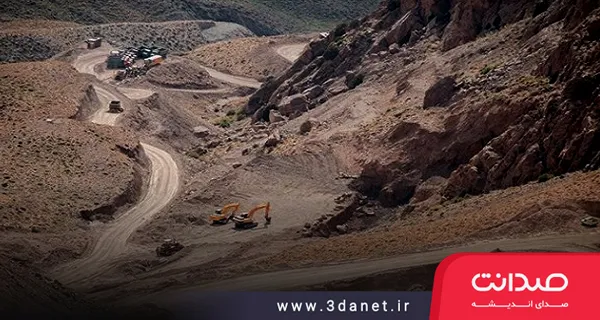
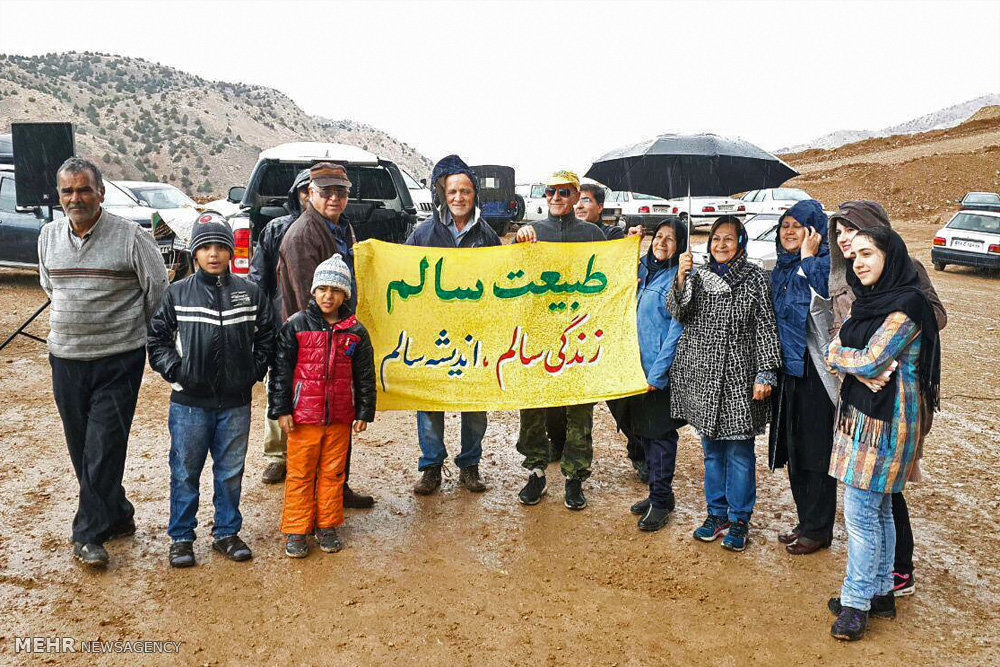
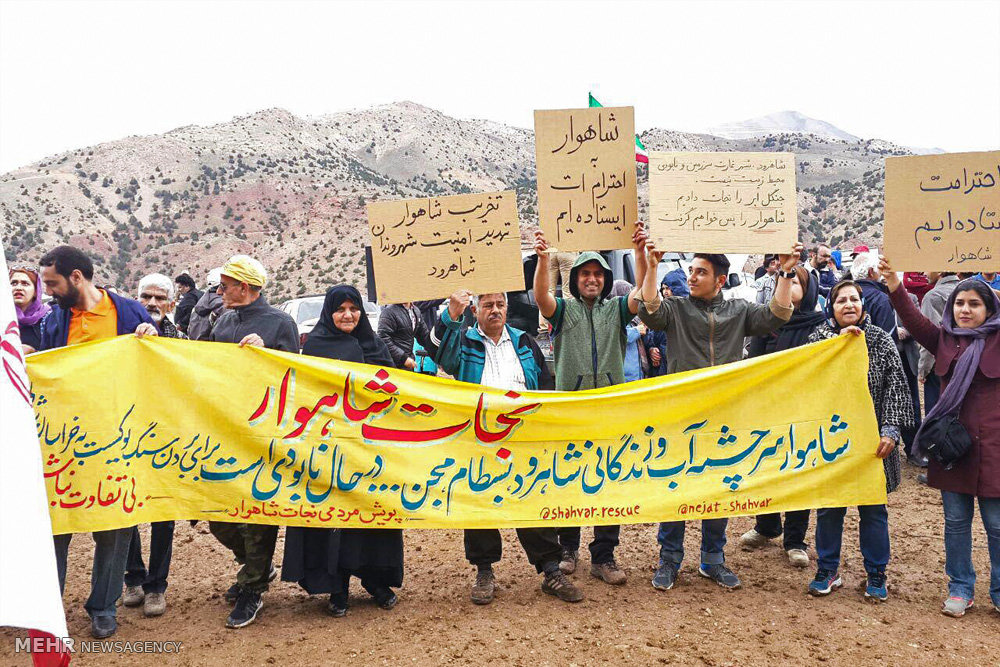
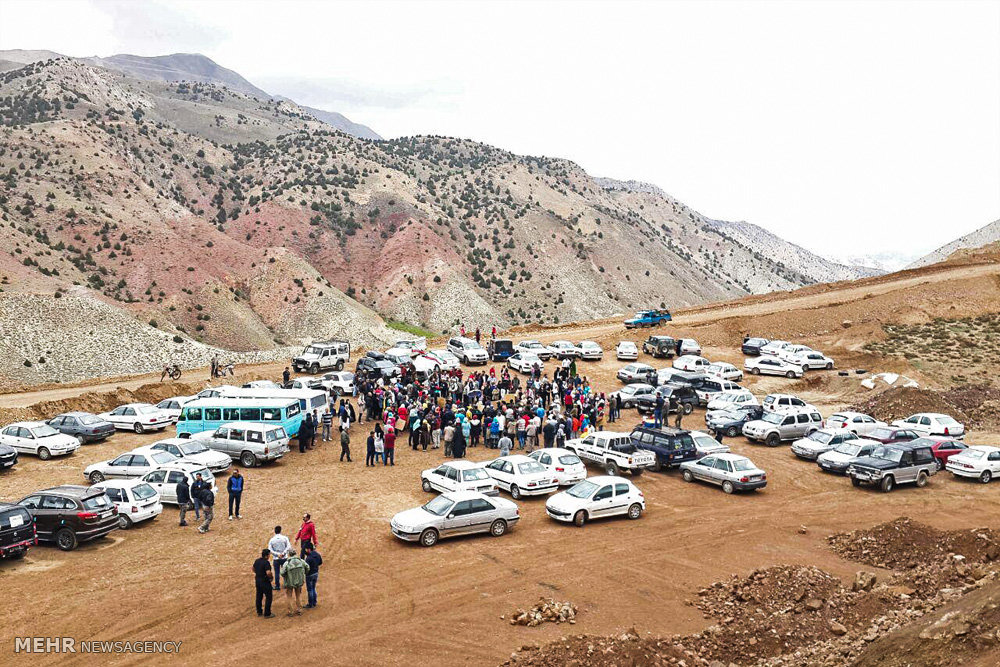
Dr Homayoun Yaghouti (Saturday, 30 May 2020): Mount Shahvar is the most important and highest peak of the Eastern Alborz and a national natural heritage of the country. This mountain is the lifeblood of the most important water resource reserve for Shahrud County and the northeast of the country, and one of the country's most significant biological reserves, which has long been cherished by nature lovers and mountaineers. Unfortunately, for several years now, the Tash bauxite mine, managed by the Jajarm Alumina Company, has been engaged in extensive destruction of this national heritage. The construction of a road without any environmental considerations (such that one can drive a Pride to within a few meters of the mountain peak!), the creation of a dust hotspot, massive explosions in the heart of the mountain that have made the habitat of wild animals unsafe and encroached upon underground resources, the pollution of groundwater resources as evidenced by tests from the Department of Environment, and the cutting down of juniper trees, which are a rare plant species in the country, are just a fraction of this mine's violations. Due to their open-pit nature and use of explosives, bauxite mines inherently should be located in places with the least environmental impact. Unfortunately, despite the existence of numerous bauxite resources in the region, even at a closer distance to the alumina plant, because the mine is state-owned and merely for a one percent higher purity, there is no will to exploit and replace the Tash mine with these resources.
Despite the Jajarm Alumina plant's claim of green mining! the reports from county and provincial offices and the report from the Islamic Parliament Research Center regarding the Tash mine are in complete contradiction with the mine's claims! The long-term plans of the Tash mine include the expansion of the mining area in Shahvar, which speaks of this mine's determination to obliterate the mountain and replace it with a sinkhole!
PDF file: An Examination of the Environmental and Social Challenges of the Tash Bauxite Mine in 23 pages
PDF file: Requirements for Realizing the Second Step of the Revolution; 7. Environment Sector in 32 pages
Participate in signing the public petition against the continuation of the Tash bauxite mine's activity
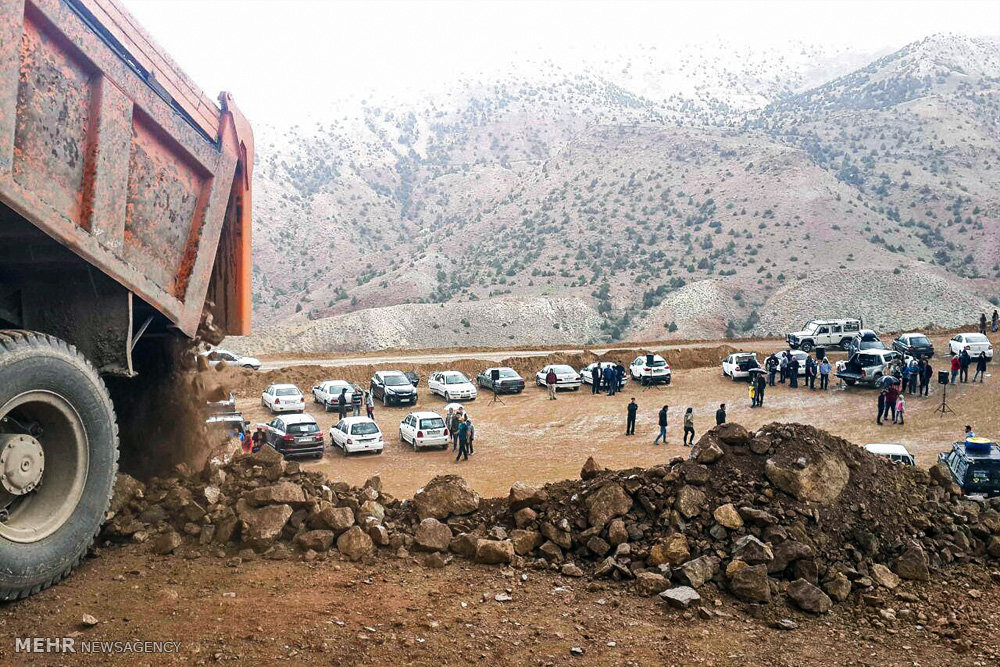
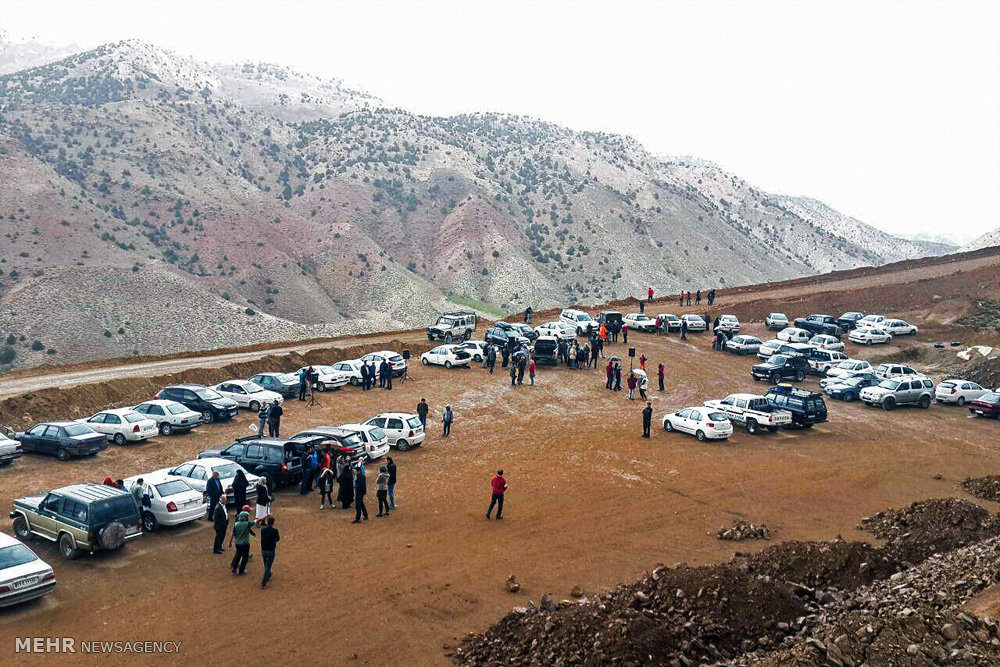
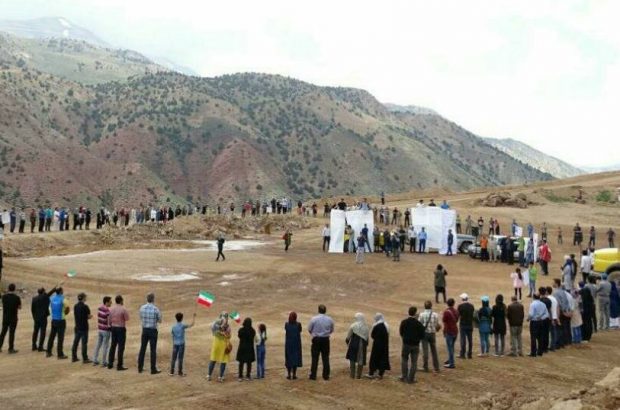
.
.
In May 2020, the Research Center of the Islamic Consultative Assembly published the requirements of the Second Step of the Revolution in the environmental sector. This research states that the evidence does not indicate good results from the performance of relevant bodies in preserving and protecting the national environment, and with the current expanding trend of destruction in the country, it is not far-fetched that the environmental situation will become dangerous and uncontrollable in the near future, as environmental crises can lead to threats to national security.
The research continues: In these years, although environmental groups do their utmost, the behavior of officials has not been in line with these policies, such as the nighttime felling of trees in the Abr Forest or building a road through the middle of the world's largest salt lake.
In the global Environmental Performance Index, one of the weakest performances in Iran is in the conservation of water resources, and the depth of groundwater in 70 plains of Iran decreased by more than 2 meters in 2012 compared to the previous period.
Since West Asia is one of the driest regions in the world and faces compounded problems due to water mismanagement, conflicts are looming in this region, and within the country, the water crisis can also lead to social and political conflicts.
The evidence and documentation suggest that Iran is moving towards a multifaceted environmental crisis, and if the necessary measures and actions are not taken to halt these threats, the goals and ideals of the Second Step of the Revolution in the environmental sector will face serious and tangible disruptions and threats.
(Report of the Environmental Protection Organization, 2018 / General Inspection Organization of the Country, Research Center of the Islamic Consultative Assembly, May 2020)
Final Word:
According to experts, the production of fresh water in the central plateau of Iran depends on the presence of mountains with heights exceeding 3,500 meters, a divine blessing that has fortunately also been bestowed upon Shahroud. The snowfields of Shahvar (in addition to their beautiful tourist landscape throughout the year) have an undeniable contribution to strengthening the aquifers of the Bastam and Shahroud plains (the primary region for the production, supply, and origin of recharge for the water tables of parts of the Majen plain, Amiriyeh, Bastam, limestone water resources, and also the drinking water qanat of Shahroud) as the population hub of the province. Given the national water crisis and the country's current conditions, water-producing regions are strategic areas of the country. Accordingly, considering the national and regional crisis, special protection must be given to strategic water-producing centers. If aerial images from recent years are observed, a significant reduction in snow-covered surfaces on the heights of Shahvar is noticeable. Surfaces that, after the removal of vegetation, have either been turned into roads or have halted the water infiltration coefficient in the soil and the mountain substrate.
Unfortunately, planners and decision-makers, on one hand, are destroying the natural resources and centers of fresh water production, and on the other hand, are spending thousands of billions of money and creating social tensions to transfer water from the northern provinces to Semnan.
Moreover, if we take a glance at neighboring countries, we will realize that by 2025 (the year when two-thirds of the world's population will be severely strapped for water), Turkey will have stored over 130 billion cubic meters of the water flowing in the Tigris and Euphrates within its territory to use water as the most strategic commodity in the Middle East and the strongest biological weapon against the entire drought-stricken Middle East.
Under such circumstances, nowhere in Iran do we witness destruction for mining operations at such an altitude and near the peak.
With such destruction, the county of Shahroud will not only lose its soil (with Iran's high rate of soil erosion compared to Asia) but will also lose the tourist landscape of Shahvar and its destination villages, its environment, and its climatic advantage, and in the not-too-distant future, it will have to confront floods and natural disasters (let us not forget that the floods at the Quran Gate of Shiraz and in Golestan province were predictable) and ultimately prepare itself for the future strategic war, the "water war."
.
.
.
.




Discussion1 comments
خیلی پوپولیستی بود حداقل اگر می گفتید اب یا هوا رااوده می کنند میشد هضم کرد ولی اینکه کوه را می برند و به جایش چاله ایجاد می کنند و چون دیگه برف روی این کوه نمیشینه پس کم ابی و قحطی اب میشه خیلی باحال بود. نصف گردشگری ایران هم مربوط به ان روستا است؟ بازیچه مخالفان یک فعالیت اقتصادی یا سیاسی نشویم