Religion
Ehsan Ebrahimi's Article “Divine Motivation Theory and the Problem of Evil”
Zagzebski grounds morality in divine motives and, through this reading, addresses the problem of evil. She considers the capacity to sin a defect in God but a power in humans, explaining evil in terms of God's motives.
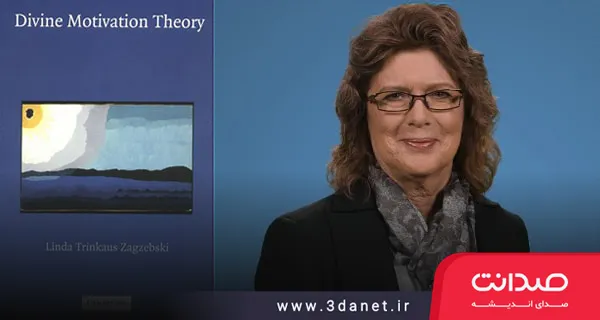
Linda Zagzebski, a Christian philosopher who has thought and written in the fields of ethics and religion for many years, has also addressed the problem of evil in her book Divine Motivation Theory. It is not inappropriate to review her understanding of this subject under the divine motivation theory together. Before dealing with the problem of evil, as a preface, I will refer to the general outline of the divine motivation theory so that the atmosphere of Zagzebski's discourse and argument becomes clearer.
Divine motivation theory is, at its foundation, a theory under virtue ethics with a neo-Aristotelian and emotion-based reading that seeks to lay the groundwork for a new kind of link between God and ethics. In her theory, Zagzebski tries, while adhering to religious ethics, to provide a new type of link between God and ethics in which ethics is freed from rigidity and harshness and is based on attractiveness and attraction. According to her view, the source of ethics is God's motivation, not His commands and prohibitions. Based on this understanding, the best way to understand ethics is to follow divine motivations.
Puzzles in Natural Theology
Among the historical discussions in metaethics is the discussion of evil and its relation to perfect goodness. This discussion becomes more complicated when we equate perfect goodness with omnipotence. The point begins here: some believe that there is a being who is perfectly good, and this perfectly good being is also omnipotent. Critics have asked: if the perfectly good being is also omnipotent, is it also capable of doing evil, as a possible thing to do? If yes, then it is not perfectly good; if no, then it is not omnipotent. For evil is a possible thing to do. The author has presented the logical form of this problem as follows:
a) A perfectly good being can be motivated to eliminate all evils,
b) An omnipotent being will be able to destroy all evils,
c) There is a being who is both perfectly good and omnipotent,
d) Evil exists.
The author believes that the concept of perfect goodness is self-contradictory. And divine motivation theory, by dealing with the discussion of values in a different way, resolves the problem of evil and its relation to perfect goodness.
Is the Ability to Sin a Power?
The subject of evil and its relation to ethics arises from the concept of omnipotence. Does omnipotent mean someone who can also do evil? If someone cannot perform an evil act, are they still omnipotent? Thomas Aquinas believes that the ability to do evil is not a power. However, "the aforementioned difficult problem need not be based on an account of what omnipotence is, but only relies on the idea that the ability to commit sin is a power whose absence is sufficient to reject omnipotence."
Zagzebski's point is that our problem is not the definition of omnipotence; our difficulty is that, intuitively, the absence of the ability to do an evil thing is an inability. Of course, during our discussion of these puzzles, an answer was given that omnipotence is analyzed and accepted under the greatest degree of goodness. In other words, omnipotence is meaningful as long as it does not violate the concept of absolute goodness. If the ability to do evil violates absolute goodness—which it does—then omnipotence does not include it and it is outside the scope of power.
It goes without saying that there are two groups of respondents to this question. One group of philosophers believes that the ability to do evil is a kind of defect, while another group believes it is a power. Thinkers like Thomas hold that the ability to sin is not a power. We are not here to recount the history of this puzzle and have only alluded to two given answers. Our task here is to expound Zagzebski's view and the Divine Motivation Theory's approach to this issue. Zagzebski finds reliance on common sense and intuitionism fruitless for answering this question, and believes that intuitively, both positions have supporting evidence. That is, our intuition both considers the ability to sin a power and does not. What Zagzebski does is, first, to separate this issue from offering a single solution for both humans and God, and then to rely on the concept of motive. In other words, Zagzebski believes this matter has one ruling for humans and another for God, and one cannot find an answer for God by attending to the nature of this matter in humans. On the other hand, she considers the ability to sin dependent on the divine motive, and her treatment of this issue, like other puzzles of natural theology, is motive-centered. "What I want to say is that the ability to sin is in itself neither a power nor a defect; it is a defect for God and a power for us. If it is a defect for God, it explains how God is both omnipotent and impeccable. If it is good for us, it explains how it is used in the free will defense—though this is not to say that the goodness of free will is sufficient to account for evil…. The ability to do evil in itself need not be either a power or a defect. If God is motivated for us to have it, then it is good for us. If He is motivated not to have it Himself, given the assumption of God's perfect goodness, then it is not a good thing for God. It is the Divine Motivation Theory that can explain this distinction."
Zagzebski's approach is based on the understanding that the ability to sin is automatically neither a defect nor a power. That is, this ability is devoid of any evaluation. What allows us to evaluate this ability is, first, distinguishing its possessor, and then relying on and attending to the important element of motive. If the divine motive has decreed that the ability to sin is good for us, then it is good for us, and vice versa. Of course, one must ask how we are to know to which the motive of God is attached? The solution of the Divine Motivation Theory is paradigmatic judgment and the imitation of divine motives. If paradigmatic judgment reveals that committing sin is an imitation of the divine motive and a revealer of God's motive, then this ability is good and a power for us. Otherwise, it is not.
The Mental Problem of Evil
One of the most important issues facing any ethical theory in general, and the Divine Motivation Theory in particular—and any theory's solution to this issue is a good measure for estimating the depth of its theoretical insight—is the subject of evil and the existence of evil in the world. What is the place of evil in the created world, is this evil in our minds or is it objective, and is its existence a problem for the existence of a morally perfect and wholly good being or not, are among the most important questions raised concerning the discussion of evil. The Divine Motivation Theory is cognizant of this issue and has tried to find a fitting answer for it based on its foundations. The formulation of the argument from the existence of evil and the disturbance it creates for the existence of God is stated on page 306 of the book, and the author has made this very minor premise, major premise, and conclusion the basis of her discussion.
(1) A perfectly good being would be motivated to prevent any evil.
(2) An omnipotent being would be able to prevent any evil.
(3) Therefore, if there existed a being who was both perfectly good and omnipotent, this being would be motivated to prevent any evil and would be able to do so. [It has both the motive and the ability]
(4) If there were a being who was motivated to prevent any evil and was also able to do such a thing, no evil would exist.
(5) But evil exists.
(6) Therefore, no being exists who is perfectly good and omnipotent. The Christian God does not exist.
دو ایراد بر صغری این استدلال وارد است. نخست اینکه شّر را امری عینی گرفته است و دوم اینکه غایت و پیآمد را در سنجش خوب یا بد بودن چیزی دخیل و اصیل کرده است. در حالیکه طبق نظریهٴ انگیزش الهی به تبع دیگر نظریات اخلاق فضیلت، چیزی خوب است که یک انسان فضیلتمند و یا یک الگوی خوب بودگی آنرا خوب بداند و به نام کنش خوب آنرا انجام دهد. این مشکل مابعدالطبیعی کسانی است که با ابتنا به این استدلال، راه الحاد را پیشه کردهاند. در حالیکه با دور شدن از این موضع، براحتی می توان از معضل شّر رهایی یافت. «در نظریهٴ انگیزش الهی، شخص نمونه وارِ خوب، خداست. پیآمدهای خوب و بد از رهگذر انگیزههای الهی برای پذیرش این پیآمدها به مثابهٴ غایتش، تعیین می شود. کنشهای درست و نادرست برای آحاد بشر در شرایط انسانی، از رهگذر خوبی انگیزههای بشری تعیین می شود، انگیزههایی که یک به یک بواسطهٴ تقلید از انگیزههای الهی، تعیین شدهاند.»
لذا شّر چیزی است که خدا انگیخته شده است آنرا کم یا نابود سازد. شّر بودگی چیزی بازبسته به انگیزهٴ الهی است و چیزی از منظر مابعدالطبیعی فراتر و مقدم از انگیزهٴ یزدانی وجود ندارد.
بر اساس نظریهٴ انگیزش الهی، استدلال پیش گفتهٴ شّر اینگونه میشود:
« (۱) شّر عبارت است از چیزی که یک موجود کاملاً خوب برانگیخته شده تا از آن جلوگیری نماید.
(۲) یک موجود قادر مطلق، قادر خواهد بود از هر چیزی که برانگیخته شده تا جلوگیری کند، جلوگیری کند. [جمع انگیزه و توانایی]
(۳) پس اگر موجودی وجود میداشت که کاملاً خوب و قادر مطلق بود، این موجود برانگیخته خواهد شد تا از هر چیزی که او برانگیخته شده تا جلوگیری کند، جلوگیری کند و به این کار توانا خواهد بود.
(۴) اگر موجودی وجود داشت که برانگیخته شده بود تا جلوگیری کند از هر چیزیکه برانگیخته شده تا جلوگیری نماید، و به این کار توانا بود، چیزی وجود نخواهد داشت تا یک چنین موجودی برانگیخته شود تا از آن جلوگیری کند.
(۵) چیزهایی وجود دارند که یک موجود کاملاً خوب و قادر مطلق، برانگیخته خواهد شد تا از آنها جلوگیری نماید.»
در این رهیافت از شّر، شّر چیزی است برآمده و برخاسته از انگیزهٴ الهی و نه چیزی ازپیشی و مقدم از انگیزهٴ خداوندی. چنانچه خداناباورین چنین پنداشتهاند. معتقدین به نظریهٴ امر الهی در توجیه وجود شّر، آنرا ناشی از ارادهٴ خدا میدانند و تلقی ما را از ارادهٴ خدا، تعیین کنندهٴ شّربودگی امری بیان میکنند. نزد ایشان، ارادهٴ الهی خیر و خوب است و برداشت و درک ما و یا داوری ما دربارهٴ یک موضوع، اصالت و دخالتی در سرشت آن چیز نخواهد داشت. شّر را پندار ما میدانند نه صفتی از صفات سرشت چیزی. در نظریهٴ انگیزش الهی این قدرت تعیین به انگیزهٴ یزدانی داده شده است و انگیزه را که ناظر به جلوگیری یا کمرنگ سازی چیزی است، شاقول شرارت آن چیز میداند. زاگزبسکی دستاورد این رویکرد به معضلهٴ شّر را چنین بیان میکند: «نقطهٴ مهم در این رهیافت به معضل شّر این است که خدا از شّر چشم پوشی نمیکند بخاطر خوبیها- خوبیهای ارادهٴ آزاد، خوبی جهان آفرینش، یا خوبی خود خدایی اش. بواسطهٴ نادیده انگاشتن شّر نیست که خوبهای مستقلی وجود دارند. شّر دستآورد ساختار انگیزشی خداوندی است که شامل چیزی به مثابهٴ ایجاد توازن میان خوب و بد یا نادیده گرفتن یکی به سود دیگری نیست. این ساختار، ساختار انگیزشی خوبی است، چه، ساختار انگیزشی یک موجود کامل است.»
نظریهٴ انگیزش الهی و اعتقاد به دادباوری
موضوع دادباوری از جمله موضوعات مهم در فلسفهٴ غرب است. روشنگر این بحث رساله ایست از لایب نیتس معروف به تئودیسه که به حل تناقض پیش گفته پرداخته است. اصل این رساله برای اثبات این مهم است که جهانی که آفریده شده است، بهترین جهان ممکن است و بهتر از این جهان ممکن نیست. امثال ولتر بر او خرده گرفتند و او را خوشبین ساده لوح نامیدند. او شّر را به سه دسته تقسیم میکند:
a) Metaphysical evil: which consists in the physical, mental, and moral imperfection of creatures. Avoiding this evil in the created world is absolutely forbidden and impossible, because the meaning of a thing's being created is that it is not God, and if a creature were not imperfect, it would indeed become God. Therefore, this type of evil is an inevitable concomitant of creation, and hence it is not permissible to blame God for bringing about such evil.
b) Physical and natural evil: which consists in suffering in all its forms. Although this type of evil is not directly willed by God, since some of these evils are a necessary condition for bringing about a higher good, God has permitted their existence. For example, how can one attain the beneficial results of work without enduring the suffering of labor? Moreover, some natural evils are appointed as punishment for sins, which is also a requirement of divine justice.
c) Moral evil: which consists in sin in all its kinds and degrees. This type of evil is neither desired nor willed by God, nor does God permit it. The occurrence of this type of evil is a necessary consequence of free will. God was faced with two options: one, to create a world with free creatures, which is naturally also the scene of the emergence of moral evil, and the other, to refrain from creating such a world. The degree of badness in the second choice is greater than the evil present in the first choice.
We have explained the approach of the Divine Motivation Theory to the logical problem of evil. According to this theory, the evilness of a thing arises and stems from the divine motive that is aroused to diminish or destroy it. Anything that becomes the object of the divine motive for destruction and diminishment is evil.
Of course, Zagzebski distinguishes between natural evil and moral evil. "Moral evil is evil, but by definition. Natural evil, however, is not. What we mean by moral evil is being vicious, acting wrongly, disrespecting duties. To consider someone who does not want to be vicious or act wrongly as evil is a conceptual mistake. No intrinsic behavior, state, or character trait enters into the concept of moral evil. But natural evil is different. What people mean by natural evil is suffering, and suffering is a state that is defined phenomenologically."
The Problem of Suffering
Suffering, from Zagzebski's perspective, is the natural evil that must be addressed. What is the problem with this discussion? The problem is that if we consider God's primary motive to be love for His creatures, as we do, and we also accept God's sovereignty over the created world, as we have, then why do people, especially God's lovers and friends, suffer in life? Is anything outside the scope of God's command? And can love, which is the primary divine motive, accept that God's beloved ones suffer? This issue is also a pretext used by atheists to deny God. Zagzebski's formulation of this argument is worth noting:
"(1) A perfectly good being (meaning a lover) would be motivated to destroy all the suffering that its creatures endure.
(2) An omnipotent being would be able to prevent all the suffering that its creatures endure.
(3) Therefore, if there were a being that was both perfectly good and omnipotent, it would be both motivated to prevent the suffering of its creatures and able to do so.
(4) If there were a being that was both motivated to prevent the suffering of its creatures and able to do so, suffering would not exist.
(5) But suffering does exist.
(6) Therefore, there is no being that is both perfectly good and omnipotent. The Christian God does not exist."
Zagzebski believes that the same path she took to resolve the dispute over evil is also effective for this intellectual conflict. That is, whatever God is motivated to make painful for humans is painful. She adopts a middle position, however, accepting natural evil, which is suffering itself, but regarding why a God who loves His creatures is motivated to make humans suffer, she takes no position and explicitly calls it a sealed mystery. “The supremely good God is the source of all values in the world. All the goods we know are good because God is good and these goods originate from Him. All the suffering and hardship we know are bad because they are incompatible with and opposed to divine goodness. Thus, the badness of suffering and hardship and the goodness of goods are all relative goods and evils. The reason why God permits suffering and hardship is a mystery, but the terms of this issue are different for atheists than for believers in God, for the good of union with God is infinite… Suffering is not justified by a good, whether a higher good or a vague and incommensurable good.”
As a conclusion, it can be said that Zagzebski’s effort is directed at rebutting the atheists’ objection in resorting to the argument from evil to justify atheism. In other words, she is at peace with various readings of theism and tries to weaken the atheists’ position through the above argument.
.
.
Divine Motivation Theory and the Problem of Evil
Ehsan Ebrahimi
.





Discussion0 comments
No comments yet; let yours be the first voice.