Sociology
Elections and the Decline of Ethics and Self-Awareness
Surveys show that Iranians, while believing corruption is widespread, consider themselves personally clean—a compound ignorance that has turned elections into an opportunity for public self-exoneration. Candidates, through flattery, ignore society's share in the anomic state of affairs.
The results of the National Social Capital Survey indicate that between 55 and 60 percent of Iranians believe that negative traits such as lying, pretense and duplicity, deceit and cheating, greed, hopelessness, lawlessness, selfishness, and envy are prevalent to a great or very great extent among both the people and the authorities, yet when it came to judging themselves, only 6.9 percent held such a belief!
Furthermore, the proportion of Iranians who believe that positive traits such as forgiveness, respect for others, benevolence and helping one another, respecting the rights of others, cooperativeness, work ethic, keeping promises, fairness, and punctuality are prevalent among the people and authorities is only between 8 and 11 percent. Here too, however, when it came to each person judging themselves, 52.7 percent of Iranians stated that they themselves possessed the aforementioned positive traits to a great or very great extent!
Add to the above results the conditions in which 70 to 75 percent of citizens consider the country's three primary problems to be unemployment, inflation, and discrimination, while simultaneously believing the system has had little or very little success in solving them. All the above results have been observed almost identically across different age and educational groups, as well as among men and women, and urban and rural populations.
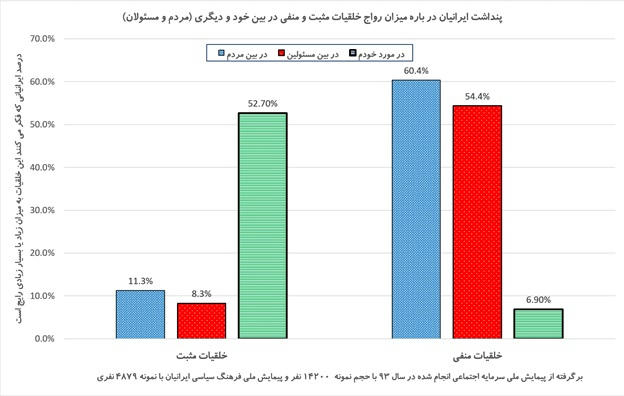
The chart was designed by the author based on data from the National Social Capital Survey (Ghaffari, 2014) and the Political Culture of Iranians (ISPA, 2005).
In simple terms, most of us (you and I) are a self-righteous, pessimistic, and crisis-stricken community, and in specialized sociological terms, we are living in an anomic (social chaos) condition, which, according to the theories of prominent domestic and foreign sociologists, has structural roots and is a sign of incompatibility, conflict, absence, or unacceptability of social norms in a general sense. Based on a constructivist perspective, I believe that as long as this self-righteous and pessimistic community remains in compound ignorance and does not seek the roots of problems within itself, it will not allow any reformist or revolutionary program or policy to rescue it from the crisis.
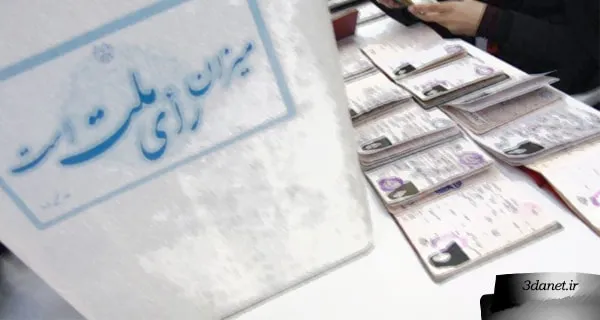
Under such circumstances, the 2017 presidential and council elections, instead of being an opportunity to hold society accountable, have become a means for its exoneration and the deepening of compound ignorance. Instead of pointing the finger of blame at the populace, presidential and council candidates refer to them with attributes such as noble, elite, self-sacrificing, honest, forgiving, respectable, conscientious, and entitled people who deserve the best services and benevolence. Meanwhile, their campaign centers, in alignment with the public opinion of this self-righteous and pessimistic community, strive to destroy the rival by any means possible, most importantly through lies, portraying them as the source of all the country's primary issues and problems, and in return promise to dry up the roots of corruption within six months, eliminate golden signatures, create jobs several times over the country's economic history, and provide unemployment insurance to all the unemployed. Oblivious to the fact that they are just one person, and the majority of the community that is supposed to rush to their aid to solve the promised problems is this very self-righteous and pessimistic community present at all levels of governmental and non-governmental executive bodies of society, who have an undeniable share in dragging the country into such an anomic and chaotic state.
It is hoped that the standard-bearers of ethics and reformism, while devising for the government of hope, with all its strengths and weaknesses, to once again take the helm of our society's crisis-stricken ship, will not neglect the effort to raise awareness among the social body and rescue society from compound ignorance.
.
.
Elections and the Decline of Ethics and Self-Awareness
A Social Pathology of the Presidential and Council Elections
Author: Majid Heidari Charvadeh
http://charvadeh.ir/
https://t.me/Drcharvadeh
.
.

Discussion2 comments
ای برادر درد را گفتی زدرمان هم بگو آها این هم از آن فلسفیدن های تیر به تاریکی بود . با این حال مرحبا که صورت مسئله را سر راست، بی حاشیه وهمه فهم تو کاسه ما گذاشتی تا دست از فرا فکنی ریشه دار برداریم و در آئینه ی خود خواهی نگاهی هم بخود بیندازیم.. ما را ببخشید! بنا به خاصیت موی دماغیمان است و گرنه اندازه این حرفها نیستیم که تئوری ببافیم. اما به همان دلیلی که ما اسیر جهل مرکب خویشیم، مربیان ما که الی ماشاالله همگی علامه دهرند، آیا به نسبیت دانش نیم بند خویش معترفند؟ آیا واجد "خلقیات مثبتی نظیر گذشت، احترام به دیگران، خیرخواهی و کمک به یکدیگر، رعایت حقوق دیگران، تعاونگرایی، وجدان کاری، وفای به عهد، انصاف و وقتشناسی" بوده و هستند که انتظار دارید دست آموزهای آنان که ما باشیم! باشیم!؟ نه استاد عزیزِ درد آشنا؛ به گمان ما بهتر آن است که انگشت اتهام را از آحاد ملت بسوی پرچمداران و مدعیان اخلاق از هر رنگی بگیرید که بجای عمل نسخه ای می پیچند که دواهای نایاب در آن است. ما آحاد ملت بیچاره چه کنیم؟! ما اینیم. چاره بیچارگان هم بود ناچار. ما معلولیم. پیدا کن پرتقال فروش را. علت را.
سلام دوست عزیزم اتفاقا به نظرم ازین دست تلنگرها خیلی لازم و بجاست . مگر مسوولین و دولتمردان و زمامدارانِ ما از مریخ آمده اند ؟ همه از یک قماشیم و آنچه بر بامِ حکومت و دولت می بینیم عصاره ای ست از آنچه در متنِ جامعه مان جاری ست . "جامعه" ای که هر چند هویتی انتزاعی دارد ولی کو آنکه انکار کند من و تو و آنها همین جامعه ی بو گرفته ی بد اخلاقیم ؟ مبادا این عباراتِ حقیر را به مثابه ی اهانت دریابید !! منِ کمترین ، خودم را بیشتر از همه در سیبلِ این نگاهِ بازخواست گرانه می بینم و صد البته خوشحالم که تلنگری بخورم و تکانی بدهم به آنچه هستم .