Philosophy
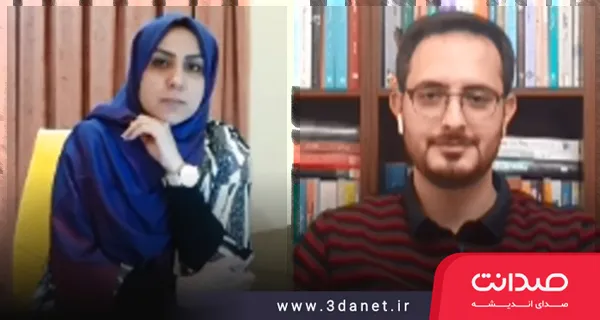
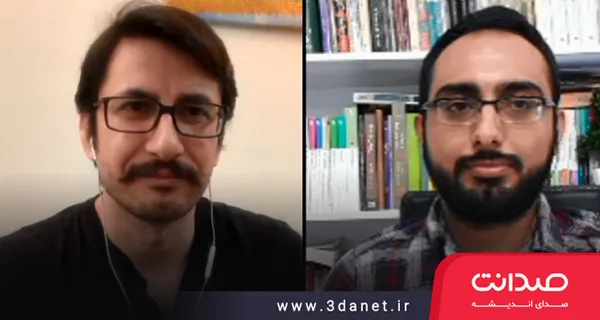
Ethical Liberalism: Sedanet in Conversation with Hossein Dabbagh
Hossein Dabbagh critiques the link between classical liberalism and utilitarianism, emphasizing rights and justice. Pointing to historical injustices and deprivations, he argues for state intervention to ensure equality of opportunity, while also addressing critiques of taxation, desert, and equality.

Omid Ghaempanah: Hossein Dabbagh is a graduate in moral philosophy from the University of Reading and Oxford; he believes that classical liberalism is linked with the ethical theory of utilitarianism, especially where economic freedoms are concerned; in his view, utilitarian theory has flaws and there is a place for concepts such as rights or justice to be injected into it. These flaws, as it happens, also apply to certain varieties of liberalism. He goes on to show that throughout history there have been people who have been historically or structurally oppressed, such as Black people, women, or other minorities. And on the other hand, there are also those who have faced social deprivations (such as poverty and a particular social environment) and natural ones (such as disability, IQ, etc.); these individuals cannot be seen as the same as others, and priorities must be set for them. If we were to put it in the form of an allegory, it is as if a group of people have entered a running race but their starting lines for the competition are not equal; in this race, some are several meters ahead and some are far behind. This competition will only be fair when everyone starts from the same point.
If we accept these two theories (historical injustices and oppressions, and the social and natural deprivations of individuals), it seems that the state also acquires a duty to pay special attention to these and, through its intervention, to somewhat balance these conditions.
After that, I (Omid Ghaempanah) tried to put myself in the position of opponents and raise questions and critiques that sparked further discussion, and he patiently answered my questions. Among the issues raised, the following can be mentioned:
- The moral validity or invalidity of taxation
- Are individuals' merit and entitlement not overlooked?
- The issue of the personal nature of punishment and whether it is right for individuals who played no role in historical oppressions to bear the burden for them?
- There is a long list of social and natural deprivations and historical inequalities, to which all individuals can point to some in their own lives, and in a way, it can be said that almost everyone has faced specific conditions throughout life, and therefore determining who deserves special attention is difficult.
- How can one determine what portion of an individual's life is the product of social and natural deprivations and what portion is the product of that individual's free choices?
- Is equality fundamentally possible?
- A dispute over the link between classical liberalism and utilitarian theory, and a reference to the link between liberalism and property rights and the rights that arise from them.
.
.
Watch this conversation on YouTube
Watch this conversation on Aparat
Listen to this conversation on Castbox | Anchor | Spotify
Download the audio of this conversation (direct link)
Download the audio of this conversation (Telegram link)
.
.
Ethical Liberalism in Sedanet's Conversation with Hossein Dabbagh
Sedanet Instagram | Saturday, February 20, 2021
.


Discussion0 comments
No comments yet; let yours be the first voice.