Philosophy
Gholamhossein Ebrahimi Dinani's Lecture at the Shaykh al-Ishraq Commemoration Conference
Dinani sees the philosophy of Shaykh al-Ishraq as a revival of Khosrowani wisdom and the primacy of light. Rejecting Peripatetic hyle and emphasising the imaginal world, he calls Suhrawardi the 'Ferdowsi of sages' in opposition to Greek philosophy, and stresses the importance of understanding his allegorical works.
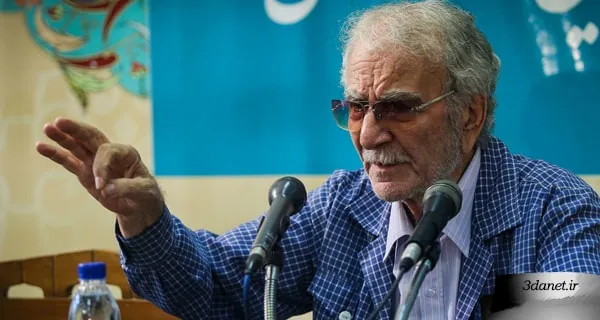
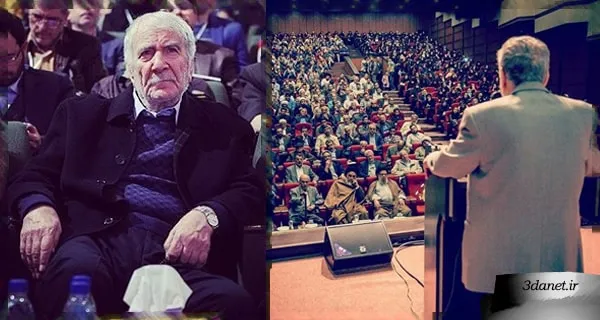
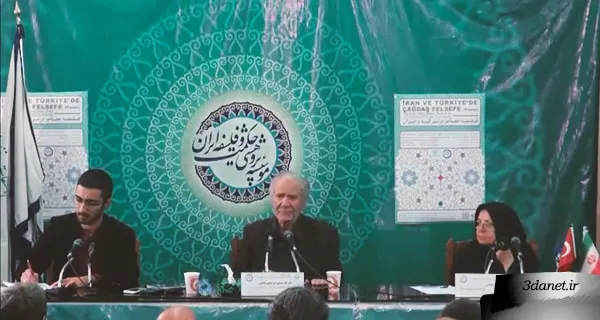
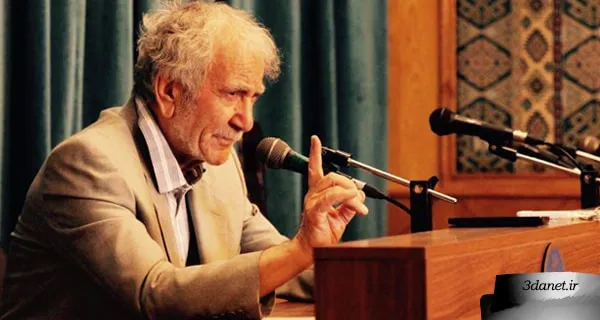
On the occasion of the commemoration day of Shahab al-Din Yahya Suhrawardi, the "Iranian Scientific Association of Wisdom and Philosophy" and the "Iranian Institute of Philosophy" held the "Shaykh al-Ishraq Commemoration Day Conference" with the presence of philosophy professors on Tuesday, the fifth of Mordad, 1395, from 3 PM. The professors: Gholamhossein Ebrahimi Dinani on the topic of "The Discussion of Hyle in Shaykh al-Ishraq," Gholamreza Aavani on the topic of "The Synthesis of Quranic and Demonstrative Wisdom in the Treatise of the Tablets of Imadiyya," and Seyyed Mostafa Mohaghegh Damad on "The Principles of Suhrawardi's Jurisprudence, or Suhrawardi in the Court of Ignorance" delivered speeches. What you will read on this page is the speech of Dr. Gholamhossein Ebrahimi Dinani, the audio file of which you can also download at the end of this page.
Text of Dr. Ebrahimi Dinani's Speech
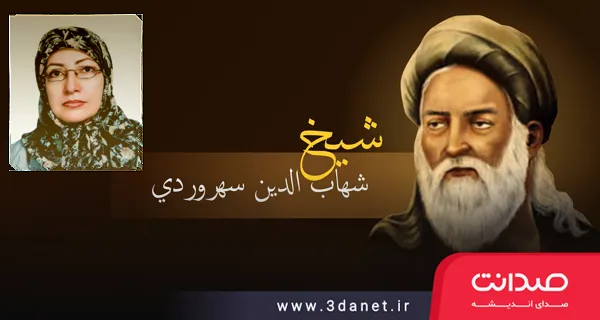
It has been eight hundred years since Shaykh al-Ishraq was martyred, but he is known as the Slain Shaykh. I am pleased that after 800 years, I am witnessing a commemoration for him today. Shaykh al-Ishraq is the sage of Light, and his philosophy is the philosophy of light and illumination. I am sorry that the topic of Hyle was chosen for me, as it is apparently a frightening title. Shaykh al-Ishraq is not well known in Iran. The Arabs killed the Shaykh in Syria, and Iranians also do not know him well, because he revived Khusrawani wisdom. Khusrawani wisdom is a wisdom with which both East and West are antagonistic. The whole world is antagonistic toward ancient Iran. In those years, Shaykh al-Ishraq endeavored to revive this wisdom, and this wisdom is the very wisdom of Zoroaster and the religion of Mehr and Light.
Our philosophers, out of ignorance, believe that Shaykh al-Ishraq advocates the primacy of quiddity; he advocates the primacy of Light, and his difference with Mulla Sadra is merely verbal. I myself adhere to Sadrian wisdom, but I believe that Mulla Sadra himself is somewhat Hellenized, whereas Suhrawardi is purely Iranian and proposed the philosophy of Light for the first time; therefore, he advocated the primacy of Light. Ferdowsi is the "epic Suhrawardi," and Suhrawardi is the "sage Ferdowsi."
His tragic fate at the age of 38, with the many journeys he undertook and the numerous books he wrote, is very remarkable. Ultimately, the Shaykh explicitly denies Hyle. Hyle is also prime matter, but understanding this statement is difficult today, because the language of science has changed. Hyle is something that only receives and is pure passivity; one iota less than Hyle is non-existence; therefore, Hyle is defined as the boundary between existence and non-existence. Shaykh al-Ishraq believes that we do not have Hyle, but since the proof of Hyle is rational, no rational person can deny it. However, Suhrawardi has denied the Peripatetic Hyle in a certain way, but he advocates the primacy of imagination and the world of quantity. The Shaykh believes that imaginings are not in our minds; rather, we are in the world of imagination; therefore, he lives in the world of imagination and intellect.
Few have paid attention to this point that everything has dimension and size, and every size has a specific quantity; therefore, the specific cannot exist without the absolute. Shaykh al-Ishraq has also taken this absolute quantity in place of Hyle. Thus, the Shaykh, in one sense, denies Hyle and, in another sense, affirms it. In these days, it is fitting that we work on Suhrawardi's allegorical works, both Persian and Arabic, and his world of imagination. By affirming the world of imagination, Suhrawardi became the link between the visible and invisible realms and connected the material world and the hereafter. The Shaykh himself lived in the invisible realm, but they martyred him in the material world. If we understand Suhrawardi's world of imagination today, our world will change. Ferdowsi is the epic Suhrawardi, and Suhrawardi is the sage Ferdowsi; therefore, he positioned Iranian philosophy against Greek philosophy.
.
.
Audio of Gholamhossein Ebrahimi Dinani's Speech at the Shaykh al-Ishraq Commemoration Conference
.
.
Gholamhossein Ebrahimi Dinani's Speech at the Shaykh al-Ishraq Commemoration Conference
Iranian Institute of Philosophy | 5 Mordad 1395
.
.
Discussion0 comments
No comments yet; let yours be the first voice.