Philosophy
Dr. Dinani's Lecture at the National Mulla Sadra Commemoration Conference
At a conference commemorating Mulla Sadra, Gholamhossein Ebrahimi Dinani identified ignorance as the origin of evils and described philosophy as the rationalisation of the universe. He argued that Iran's civilisational culture has prevented the emergence of groups like Boko Haram within its borders.
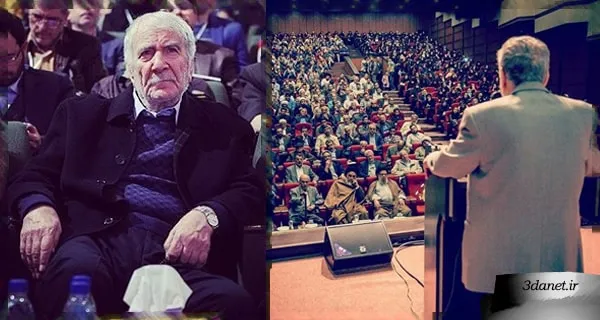
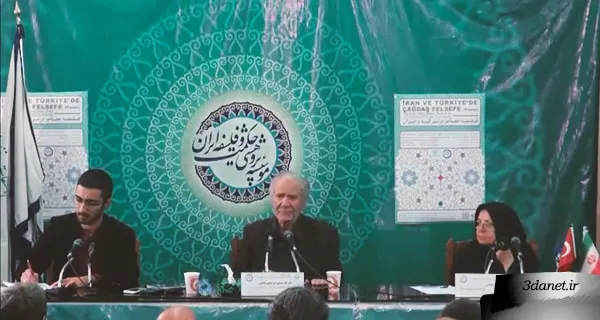
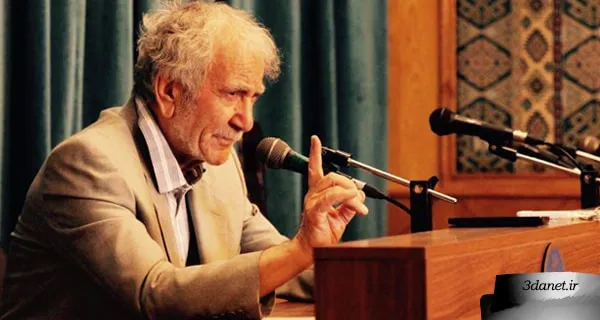
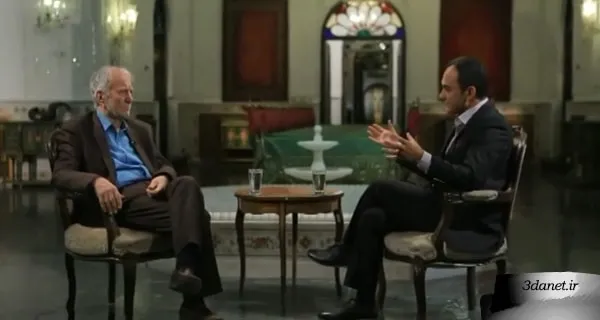
The 20th National Mulla Sadra Commemoration Day Conference, organized by the Sadra Islamic Philosophy Institute, commenced a few hours ago (Saturday, May 21) at the Adineh Cultural Complex, with the presence of Ayatollah Seyyed Mohammad Khamenei, president of the institute, Reza Davari Ardakani, president of the Academy of Sciences, and other philosophy professors including Karim Mojtahedi, Gholamhossein Ebrahimi Dinani, Seyyed Mostafa Mohaghegh Damad, and Gholamreza Aavani. Dinani delivered his speech at the conference on philosophy and the world devoid of philosophy, addressing the topic of the domination of evil in a world devoid of philosophy.
He began his remarks with this verse: "He who knows not who in the world is intimate and who is a stranger / What does he know within himself of who the master of the house is?" and said: The poet is not a philosopher, but much poetry is philosophy, including the verse I recited. The first hemistich discusses the intimate and the stranger, the insider and the outsider. Many people know the goods of their own heart, but they do not know the master of the house. Therefore, knowing the master of the house is important; if one can distinguish the stranger from the intimate, one can also know the master of the house. Until a person knows himself and the goods of his heart, he does not know the world, and if he does not know the world, he does not know the intimate from the stranger. Whether man is intimate with the world or a stranger to it, or whether man is intimate with what is other than himself or a stranger to it, is an important issue. Is the intelligible world intimate and familiar with man, or the unintelligible world? The unintelligible is a stranger to man; only that which is rational is familiar with man. The essence of man is rational, and the only thing familiar with man is the rational. The intelligible world is intimate, and the unintelligible world is a stranger.
Ebrahimi Dinani continued his speech by interpreting the two words "istinbat" (inference) and "tadabbur" (contemplation) and added: "Istinbat" literally means to draw water from the depths of the earth so that the water reaches the land and plants grow, and "tadabbur" means backing or support. Every being in the world has a backing. These two words, "istinbat" and "tadabbur," which appear in the Quran, reveal the depths of philosophy. The Quran teaches us philosophy with these two words; these two words urge us toward ever greater contemplation and depth, to know the world as intelligible, not sensible. Philosophy is the rendering of the universe intelligible. The world is not a stranger to man. If the world is presented merely at the level of the sensible, and wisdom is introduced as a commodity, that society will be evil.
Dr. Dinani concluded by stating: The origin of evils in the universe is ignorance, and if there were no ignorance, there would be no evil in the universe. Not attaining wisdom is a form of ignorance. Iran has the oldest history of civilization in the world, or ranks among the most important civilizations. A civilizational culture exists within the Iranian nation, and Boko Haram does not emerge from Iran. It is very good that philosophy has become widespread today, but the problem is that it is not read precisely. Philosophy has never been this general and universal before.
.
.
Download the audio of Dr. Dinani's lecture at the National Mulla Sadra Commemoration Day Conference
Download from Server One | Download from Server Two
.
.
Dr. Gholamhossein Ebrahimi Dinani | National Mulla Sadra Commemoration Day Conference | May 21, 2016
.
.

Discussion0 comments
No comments yet; let yours be the first voice.