Sociology
Hassan Mohaddesi's article 'A Theoretical Perspective on Iran's Social Uprisings'
A social uprising is a spontaneous collective action arising from individual and supra-individual grievances, distinct from planned demonstrations. Hassan Mohaddesi defines this concept and explains the contexts of Iran's uprisings amid the 1401 movement.
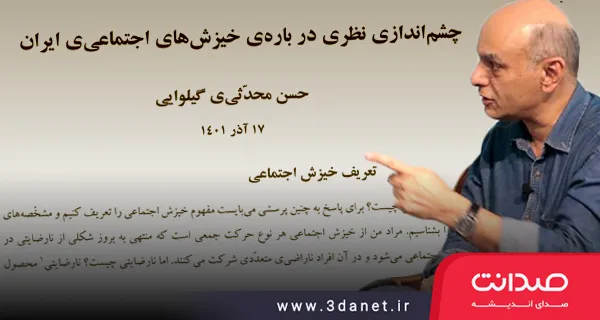
Hassan Mohaddesi: I began writing this long and extensive discussion, titled “A Theoretical Perspective on Iran’s Social Uprisings,” in the midst of a nationwide social movement, on 20 Mehr 1401, and completed it on 11 Azar. As I now edit this piece for its full republication, it is 17 Azar 1401, and the movement continues. Writing in the thick of a movement, while following its daily news and also studying other social uprisings and social movements in Iran in recent decades, has allowed me to pay greater attention to the social context of their emergence. I have tried, as much as possible, while providing the necessary conceptualization to explain and elucidate this phenomenon, to use concepts understandable to a general audience, to speak as precisely as possible, and to avoid generalizations. I hope this piece will be of interest to esteemed readers. Its public release gives me the opportunity to receive critiques from valued experts and to learn more.
Definition of Social Uprising
What is a social uprising? To answer such a question, we must define the concept of social uprising and recognize its characteristics. By social uprising, I mean any type of collective action that leads to the emergence of a form of discontent in the social environment, in which numerous dissatisfied individuals participate. But what is discontent? Discontent is the product of three things:
1) The failure to meet individual and supra-individual needs,
2) The creation of forms of material and non-material damage,
3) The failure to fulfill expectations and aspirations.
The failure to meet individual needs and the creation of damage to the individual, and the failure to fulfill individual expectations, creates individual discontent; and the failure to meet supra-individual needs (for example, the needs of a group, organization, neighborhood, etc.), the creation of damage at a supra-individual level, and the failure to fulfill the expectations of a collective or social group, creates collective discontent. In this sense, discontent means dissatisfaction with the three aforementioned situations.
Social uprisings may take a peaceful form or acquire a destructive and even predatory aspect, turning into a social riot. A social uprising may turn into a social movement and have a long lifespan, even becoming a social revolution, or it may have a very short life. Therefore, social uprising is a general term that encompasses various types of collective action. The scope and reach of social uprisings can be limited or very extensive. For example, a social uprising can occur among a factory with a thousand members against the employer and not extend beyond the realm of that factory, or it may engulf the entire country.
However, social uprisings are spontaneous phenomena. Individuals do not plan for an uprising but rather become involved in it. Therefore, it can be said that planned protest demonstrations differ from a social uprising. Uprisings also manifest as demonstrations, but not every protest demonstration is a social uprising. For instance, the planned sit-in of a small or large social group cannot be called a social uprising. When social uprisings persist for some time, they turn into a social movement, and planning and some form of leadership and management of the movement also emerge within it.
Thus, the definition of a social uprising can be summarized as follows: spontaneous collective actions that arise from social discontent, in which the discontent of a group of individuals finds collective expression
.
.
Complete PDF file of the article “A Theoretical Perspective on Iran’s Social Uprisings”
.
.
Session for the critique and review of the article “Theoretical Perspectives on Iran’s Social Uprisings”
Organized by the School of Identity Studies at the Andisheh Club | Thursday, January 5, 2023
Enghelab Street, Vesal Shirazi Street, Nayebi Alley, No. 23, Shabestan of the Andisheh Club
With the presence of Dr. Hassan Mohaddesi-Gilvaei (author) and Dr. Seyyed Javad Miri-Minaq (critic)
Watch the video of the review session on YouTube | Aparat
Download the audio of the review session
.
.


Discussion4 comments
در باب دغدغه های ایجاد شده بوسیله social media و کنترل افکار عمومی ، social engineering مهندسی اجتماعی مطالب و شواهد درست عکس نگاه نویسنده این مقاله است.جامعه حاکم دنیا با 1.فشار تکنولوژی، 2.دیکته کردن اقتصاد با WTO و،3. New Imperialism یا The New World Order کاندولیزا رایس و دانالد رامسفلد، حاکم کردن The League of Nations بر روابط بین الملل با تکیه بر پیروزی در جنگ جهانی دوم بر حکومت های مقهور میلیتاریسم آنگلوساکسونی، و 4.حاکم کردن نهاد تحصیلات مدرن بر اندیشه جوامع، استبداد کامل بر اندیشه، تفکر، اقتصاد، سیاست شرق برپا کرده اند. برای این اندشمند محترم جای تعجب نیست که inducementرا نشناسد و تحت تأثیر قرار گیرد و خود نداند که ذهنش با داده های machinery یک جامعه محاصره شده. با احترام به تلاش فکی ایشان و دعوت ایشان به self-criticism و مطالعه سیر تشکیل علم امروزی که حاوی شواهد بسیاری برای جامعه غیر غربی خواهد بود.
- واژه " ضد روحانیت " کلا بیمعناست . اساسا مخالفت با شخص ( شخص بماهو شخص ) بیمعناست . مثلا اگر کسی بگوید من با سامان مخالفم ، شما قادر به هیچ استنباطی نیستید . مگر آنکه توضیح دهد که من به فلان دلایل با سامان مخالفم . نتیجه آنکه جامعه ایران با روحانیت بماهو روحانیت مخالف نیست ، بلکه با حکومت استبدادی مخالف است ، تحت هر عنوان ( سلطنت ، دین ، حزب ، و...) -شباهت معترضان داخل و خارج: از همبستگی نمیتوان علیت را استخراج کرد . مثلا اگر کسی بگوید والیبال باعث افزایش قد میشود ، همبستگی و علیت را خلط کرده است . والیبال "علت " افزایش قد نیست ، بلکه اکثر کسانی که به والیبال رو میاورند بلند قد هستند . بنابراین همصدایی گاهگاهی خارجی ها با مردم داخل ، صرفا نوعی همبستگی است و علیتی در کار نیست . یعنی علل اعتراضات مردم ، غیر از علل حرافی های خارجیان است . مضاف به انکه اگر قرار باشد همبستگی ها را بجای علیت جا بزنیم ، هر گروه یا شخصی را میتوان به هر عنوانی منتسب کرد . -اینترنت : برای انسان قرن بیستم " اینترنت " چیزی است مثل هوا . یعنی یک چیز تفننی نیست ، بلکه جزو ضروریات است . مضاف به آنکه فیلترینگ سایت های فرهنگی ( بمعنای اعم ) معنایی ندارد جز ضعف . فیلترینگ یعنی برگزاری مسابقه فوتبال با یک تیم . کسانی که ادعای قدرت و قوت میکنند نباید هراسی از رقبا داشته باشند . حذف رقیب و گل زدن به دروازه خالی ، مضحک و بلکه رذیلانه است . - مهندسی افکار : دشمن آفرینی های احمقانه ( در روابط بین المللی ) ، و جنگ شیفتگی ، یک فکت است . مهندسی افکار نیست . - سلب عاملیت از مردم ( انتصابات به جای انتخابات ) مهندسی افکار نیست . فکت است . - حذف و نادیده گرفتن موضوعی به نام " منافع ملی " ، و جایگزینی آن با منافع ایدئولوژیک ( آن هم توسط اقلیتی بسیار قلیل ) مهندسی افکار نیست . فکت است . - تورم فزاینده و گسترش فقر ، فکت است . - مهاجرت یک دهم جمعیت ایران ( علی الخصوص نخبگان جامعه ) فکت است . - فقدان " امید به اینده " فکت است . - آمار خودکشی ، نابودی محیط زیست ، رشد جرائم ، رشد اعتیاد ، و دهها و دهها مسئله دیگر ، مهندسی افکار نیست . فکت است . رفرنس این ادعاها نه رسانه های خارجی ، بلکه منابع حکومتی است .
self-deception و القاء باورهای مطلوب خود دو خصلت قابل مشاهده در جامعه ضد روحانیت ایران است. نویسنده از خیزش طبیعی و خود جوش سخن گفته اند. اگر این گونه بود این همه دغدغه و هیاهو برای قطع اینترنت در کشور شما و تابعیت مطلق مجموعه تز های حرکت معترضان به حکومت روحانیون با سلیقه مکرون و جو بایدن و اساتید دانشگاهی اشاعه دهنده hate-speechعلیه مردم ایران و سنن و گرایشات ملی ایرانی به چه علت است؟ توجیه اشکالات و distortion وارونه سازی vice and virtue علیرغم انکار جامعه مصرف گرای منزجر از کشور خود در نگاه معترضین به حکومت و طرفداران انحلال ایران در rubrics استبداد و سلطه مطلقه یهودیان در دنیا ، در صورت تفحص و بررسی و مشاهده منصفانه قابل دیدن است. است.
سلام خسته نباشید بیش از هر چیز گفتم این رو به شما بگم به عنوان یک دانش آموخته علوم انسانی که با دیدگاه شما مخالف است که این دیدگاه واقعا محصول یک استاد دانشگاه علوم انسانی نیست و واقعا آدم تاسف میخوره به وضع علم و اساتید کشور با این وضع سواد و نگرش مختلف این جریان اغتشاشات یا اعتراضات یا هر چیزه دیگری رو با این یادداشت ها خجالت آور خراب نکنید