Philosophy
Horizons of Dialogue Sessions: Examining the Conditions for a Dialogue Between Islamic and Western Philosophy
The impasse of Islamic philosophy and the colonized arrogance of self-styled readers of Western philosophy block dialogue between the two traditions. The 'Horizon of Dialogue' series seeks, through humble questioning, to untie the knots of our stalled thought and open a space for conversation.
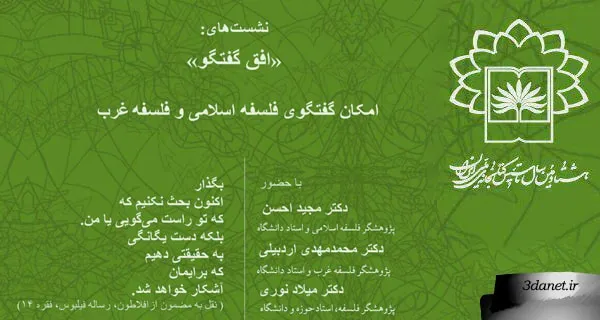
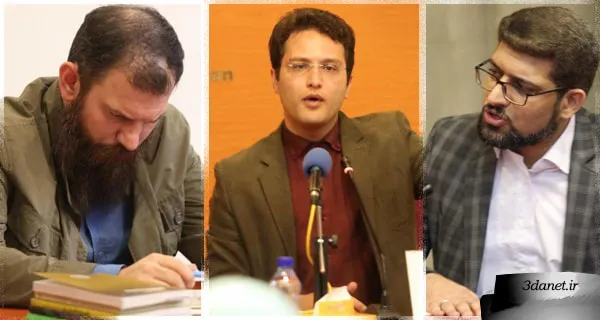
“Horizons of Dialogue” Sessions: Examining the Conditions for the Possibility of a Dialogue Between Islamic and Western Philosophy, with Dr. Majid Ahsan, Dr. Mohammad Mehdi Ardebili, and Dr. Milad Nouri
Mohammad Mehdi Ardebili: There is no doubt that Islamic philosophy has been in a state of blockage for centuries, and the scope of this blockage is evident not only in the realm of thought and reflection, but also in the domains of politics, society, culture, and even the sciences. One of the main culprits behind this blockage is undoubtedly the custodians of Islamic philosophy. Perhaps the time has come to address these custodians of Islamic philosophy frankly and directly, and to challenge them. These self-proclaimed philosophers, who in recent centuries have not only failed to bring about any progress in Islamic philosophy, nor produced even a single systematic, pioneering idea presentable to the world of wisdom and philosophy, but unfortunately seem not even to feel the need for such progress, because they apparently do not believe in the existence of a blockage at all. They have long reduced philosophizing to a pastime and the repetition of platitudes, the explanation of the obvious, and the repeated commentary on the commentaries of their predecessors, while simultaneously degrading the critical teacher-student relationship into a sterile, romantic one-sided master-disciple relationship, and they tolerate no criticism or review whatsoever. On the other hand, another culprit in this blockage are the intellectuals and those schooled in Western philosophy, who are afflicted with such a colonized arrogance that they do not even bother to descend from their ivory tower and think about “us,” as if “we” have never even become a problem. Instead of understanding or even critiquing tradition, they have fallen into a kind of spiteful, reductionist anti-traditionalism. In the midst of this, however, contrary to the centuries-long lethargy and stagnation dominating Islamic philosophy, it seems the time has come, albeit centuries late, to muster the courage and at least put a finger on the point of pain and the problem, and to demonstrate the necessity of movement and change. This, however, is only possible in the shadow of a dialogue with the other, namely Western philosophy. Of course, speaking of blockage, impossibility, lethargy, suspension, and the like is not sufficient on its own to escape the miserable state of “our thought.” Despite the many problems, and even the obstacles that consciously strive to make the fruition of these dialogues impossible, one must take a risk and enter the field. “Going” and not staying is the work of philosophy, and the guide on this path is reason itself, logos itself. These dialogues, more than seeking to represent a symbolic image of a “Westerner” or an “insider,” are an attempt to turn this “blockage,” for which we are now paying the price in all dimensions of our lives and with our entire being, into a question. Although thinking about this dialogue is not novel, and commendable efforts have been made to advance it, especially in recent years, no tangible, practical result has yet been achieved. The attached audio file is the outcome of the first session of a meeting concerning the possibility and necessity of a dialogue between Islamic and Western philosophy, held on April 23, 2018, at the Cultural Think Tank of the National Library. The aim of this meeting was more to determine positions and engage in dialogue about the very possibility of dialogue itself, and perhaps, rather than falling into the illusion of reaching a positive result in the short term, it serves as a wake-up call to our entire intellectual atmosphere, from the custodians of Islamic philosophy to the claimants of Western philosophy, to all of us who are complicit and collaborators in the current blockage.
Milad Nouri: Regarding the possibility of a dialogue between Islamic and Western philosophy, the closures are greater than ever, and the hopes are also greater than ever. The closure in such a subject stems from the fact that philosophy is tied to politics and civilization, and we know that the last two centuries have been two centuries of intense conflict between civilizations. Yet, the hope for dialogue is also greater than ever, because while not long ago our encounter with Western philosophy, and the West’s encounter with our philosophy, was aimed at responding to and refuting it, and in the most optimistic case, at familiarizing oneself with a foreign tradition; now, awarenesses and self-awarenesses have blossomed that seek an encounter of the “learning” kind. In the meantime, an increasing emphasis on civilizational blockages and closures, which also manifest in philosophy, will itself add to the previous closures. Whether proponents and representatives of Islamic philosophy raise this issue against Western philosophy, or proponents and representatives of Western philosophy raise it against Islamic philosophy, it will increasingly diminish the conditions and possibilities for dialogue.
Dialogue with someone who is in a state of blockage cannot proceed from the position of dictating or imposing the judgment that “You are blocked!”, for this provokes their resistance and leads them to insist all the more on the openness of their own work. Untying the knot of dialogue’s impasse must proceed by way of posing questions; asking about the traditions that both sides harbor within themselves as potentialities, and which have at some historical juncture become sterile and stagnant, can better open the path of dialogue and the passage beyond impasses. Thus, every tradition must be confronted by other traditions with the questions that the other tradition asks of it, and must consider itself obliged to answer these questions without insisting on its own rigidity and authenticity. The knot of our impasse is not untied by further condemnation and insistence upon our intellectual blockages, but by posing new questions that actualize the latent possibilities within the tradition. This model of encounter can be seen in the historical figure of Socrates, who, in order to teach a person, would ask questions and, in the course of questioning and answering, perform the work of a “midwife” and untie “the knot of his impasse.”
It is true that, based on our historical and civilizational position, we think more about the blockages of Islamic philosophy, but the issue is that the work of humanity itself has now reached an impasse; just as every civilizational tradition has considered itself complete and, heedless of other traditions, has sought assertive domination, this dogmatism is precisely what must be overcome, and the passageway out of such an impasse lies in humble questions based on one tradition and humble answers based on another, and this very method can bring traditions to shared syntheses and common possessions. Every philosophy, in dialogue with another philosophy, must answer grave questions that may well subject its entire essence to re-reading and transformation, but it is this blessed and fruitful transformation and re-reading that one must wish for:
Would that they might open the doors of the taverns / Untie the knot of our impasse / If they closed them for the sake of the self-regarding ascetic’s heart / Take heart, for they will open them for the sake of God.

.
.
Audio of this Session
.
.
“Horizons of Dialogue” Sessions: Examining the Conditions of Possibility for Dialogue between Islamic Philosophy and Western Philosophy
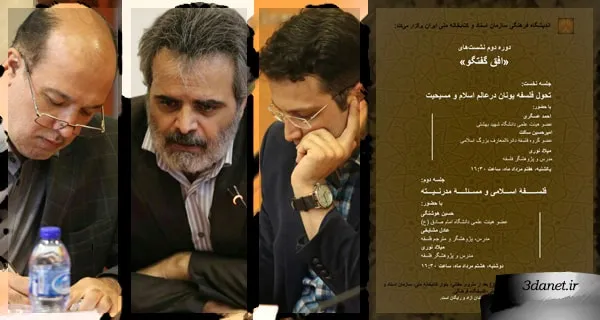
Dr. Majid Ahsan Dr. Mohammad Mahdi Ardebili Dr. Milad Nouri
April 23, 2018 Cultural Think Tank, National Library
.
.


Discussion14 comments
من فکر کنم نباید تعصب روی فلسفه اسلامی داشت و در عین حال نباید به فلسفه غرب خوشبین بود. انسداد در هر دو سنت هست اما همونطور که اساتید هم اشاره کردند نوع انسداد متفاوته. واقعا دوستانی که از فلسفه اسلامی دفاع میکنند باید توضیح بدهند که آیا نظام بر آمده از تفکر فلسفی در عالم اسلام چه کمکی به انسان امروز میکند و طرفداران فلاسفه غرب باید توضیح بدهند که چه راهی برای خروج از انسدادهایی دارند که تفکر مدرن ایجاد کرده. عقلانیت مدرن را حجت نمیدانم.. اما آیا میشود آن را نادیده گرفت و بر حکمت قدما تاکید کرد. به قول دکتر اردبیلی جهان در انسداد است.
با سپاس از این کامنت های خوب. من فکر کنم نباید تعصب روی فلسفه اسلامی داشت و در عین حال نباید به فلسفه غرب خوشبین بود. انسداد در هر دو سنت هست اما همونطور که اساتید هم اشاره کردند نوع انسداد متفاوته. واقعا دوستانی که از فلسفه اسلامی دفاع میکنند باید توضیح بدهند که آیا نظام بر آمده از تفکر فلسفی در عالم اسلام چه کمکی به انسان امروز میکند و طرفداران فلاسفه غرب باید توضیح بدهند که چه راهی برای خروج از انسدادهایی دارند که تفکر مدرن ایجاد کرده. عقلانیت مدرن را حجت نمیدانم.. اما آیا میشود آن را نادیده گرفت و بر حکمت قدما تاکید کرد. به قول دکتر اردبیلی جهان در انسداد است.
تفاوت فلسفه غرب با فلسفه اسلامی وکلام اسلامی اینست که فلسفه غرب اماده نقد شدن ورد شدن وجایگزینی با طرح وایده ای قویتر است ودور خود حایلی نکشیده وخود را حق مطلق نمیداند وکسی را از اندیشیدن ونقد خود باز نمیدارد ونقدهای جدید را مایه رشد وشکوفایی وحرکت به جلو میداند بر عکس در فلسفه اسلامی وکلام اسلامی چون خود را وصل به دین ومتون دینی میکنند وخود را موظف به دفاع از حریم اعتقادات دینی میدانند ازنقد استقبال نمیکنند ونقد را خطرناک میدانند ومایه ازهم پاشیدن اعتقادات جامعه میدانند از این رو درجا میزنند چون دور خود حایل میکشند وفر صت ظهور وبروز به مخالفان نمیدهند شما نمیتوانید یک نقد اکادمیک در سطوح عالی از فلسفه اسلامی وکلام اسلامی داشته باشید همین خطوط قرمز موجب فرو خفتگی فلسفه اسلامی وکلام اسلامی شده است
این سخنان شما نشان از بی اطلاعی یا کم اطلاعی تون از فلسفه اسلامیه به همین دلیل توصیه میکنم فایل جلسه دوم و پاسخ دکتر احسن به یکی از حضار که درست اشکال شما رو مطرح کردند را گوش بدید. ایشون توضیح دادند که فلسفه اسلامی غیر از کلام هست و فلاسفه ما به هیچ وجه در آغاز کار فلسفی شون و در بررسی مسائل دین رو جای عقل نگذاشته اند. وجه دیگری هم برای چرایی انسداد ما گفتند که عالی بود
عجیب است که مرتباً اشکالی در مورد فلسفه اسلامی و انسداد آن سخن گفته می شود، اما کسی هیچ وقت جرات نگاه انتقادی به فلسفه غرب را به خود نمی دهد. کدام یک از پروژه های مطرح شده در فلسفه غرب موفق بوده؟ آیا فلسفه غرب در زمان شکست پروژه های فکری به اخلاق اندیشه ورزی وفادار مانده؟ خیر. فلسفه غرب پس از قرون وسطی اقدام به عقلی سازی مسائل فکری پاسخ داده شده در مسیحیت نمود. آیا مواضع دکارت ، لایبنیتس، اسپینوزا موفق بود؟ خیر . تجربه گرایی سعی در رفع اشکالات کرد. آیا آنان موفق شدند؟ خیر. آیا معرفت شناسی در بحث توجیه موفق است؟ آیا نسبی گرایی از دام شک گرایی خود را نجات داده؟ کدام پروژه فلسفه غرب موفق است؟ اگر می شناسید معرفی بفرمایید. اگر وضع بدین منوال است فلسفه غرب نیز وضعش آن چنان که فرض می شود خیلی خوب نیست.
اینم بگم که تقسیم 4گانه دکتر اردبیلی از جریانهای به انسداد رسانده امکان گفتگو نیز نو و مهم بود
خب اینهایی که گفتید تقریبا اولین بخش صحبتهای دکتر احسن بود که توضیح دادند و سپس با نقد عنوان نشست آن را تعارض اندیشه سنتی پیشا سوبژکتیویته و زندگی در دوران مدرن دانستند. به نظرم دکتر اردبیلی و دکتر احسن خوب انتخاب شده بودند و مسلط و متخصص نشان دادند.
دلالتهای گفتمانی امکان دیالوگ در فلسفه اسلامی که دکتر احسن سرفصلهای تاریخی، رویکردی و محتوایی اونها رو با ذکر مثال در فلسفه اسلامی گفتند بسیار بسیار برای من نو و جالب بود و تاکنون اینگونه با فلسفه اسلامی مواجه نشده بودم
فلسفه اصلا اسلامی و غیراسلامی ندارد . آنچه که صفت اسلامی و مسیحی و یهودی میگیرد کلام است نه فلسفه. فلسفه صدرا با کلام و عرفان کاملا آمیخته شده فلذا صفت اسلامی برایش با مسماست . فلسفه ابن سینا هم که در اساس تداوم همان فلسفه ارسطو و از اساس غربیست البته غرب قدیم . مضافا اینکه اساسا چیز واحدی تحت عنوان فلسفه غرب وجود ندارد. فلسفه تحلیلی و قاره ای دو نحله مهم فلسفه غرب هستند که بسختی میتوان اشتراکاتی بینشان یافت .
واقعا عالی بود بحث. صحبتهای دکتر اردبیلی که مثل همیشه خوب بود، اما صحبتهای دکتر احسن _که تا حالا اسمشان را نشنیده بودم _ برایم بسیار جالب بود. نمیدانستم که در حوزه هم چنین جانهای آزاده و حقطلبی وجود دارند. فقط مجری جلسه چرا مدام وسط حرف سخنرانان میپرید؟ مگر برنامه معرفت شبکه چهار است؟
خب این که دکتر نوری به عنوان مجری گاهی برای نظم و ترتیب و گاهی برای اینکه یک نکته روشن تر بشود چیزی را توضیح دهد .. شما نباید ناراحت شوید. بسیار هم عالی رهبری کردند جلسه را.
به نظر من موقع آن رسیده است که فلسفه ملاصدرا و عرفان ابن عربی و نظریه اشراقی شیخ اشراق به شکل بسیار جدی نقد شوند و از نگاه تقدسی به آنها پرهیز شود.
بله مدتهاست که این نقد ها صورت میگیرد ولی مگر نه اینست که نقد، اشکال بعد از فهمیدن کامل مطلب است؟ و کجا ست درک صحیح ابن عربی و صدرالدین شیرازی؟ عده ای شهوت حرف جدید زدن دارند و اصلا توجه نمی کنند که حرف حق، حق است کهنه و نو ندارد...
سلام عرض ارادت من از وجود این سایت بینهایت متشکرم فقط ای کاش به روز بود