Religion
Hossein Dabbagh's essay “Where God Is, Everything Is Permitted!”
Hossein Dabbagh asks: what is religious intellectualism good for? Morality is independent of religion; neither 'where there is no God, everything is permitted' nor 'where there is God, everything is permitted'—a critique of the relationship between religion and morality in Iranian society.
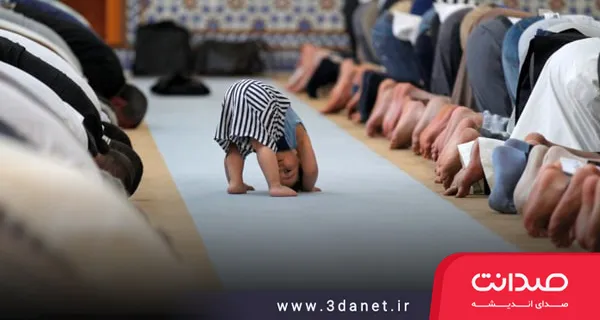
The question before me is this: Is religious intellectualism, with all its ups and downs in religious societies, especially before and after the Islamic Revolution in Iran, of any use at all? And if so, what “use” is it? I will try to show that religious intellectualism is of “use,” but it depends on what the “ailment” is and which “cure” is sought. Consider Sara, a religious person. She does not see the world as empty and dark; events are meaningful to her and do not occur by chance. Unfortunately, she loses her child in an accident. Suddenly, the merciful God appears to her as vengeful. Her religious interests gradually fade, and the world seems absurd to her. The world becoming absurd in her eyes causes her to imagine that God is not watching over her actions. Since Sara works at a bank, she and her colleague attempt to embezzle from the bank to secure a more prosperous life for herself—something she would not have done before this incident. Now consider Hossein. He is also a religious person; in his youth, he witnessed the Iranian Revolution. One of his clerical friends has now become a high-ranking official under the new regime. Hossein learns that his clerical friend has amassed a huge fortune (through illicit means). Hossein wonders how a cleric could do such a thing. If religion did not prevent this, then perhaps one can do it. Hossein tries to acquire (illicit) capital through religion and piety to provide a better life. What can religious intellectualism do for Sara and Hossein? Sara represents those who, through a psychological trauma, lose their religious view of the world, leading them to imagine that “where God is not, everything is permitted.” Hossein represents those to whom the clerical system born of the Islamic Revolution has instilled that no wrong can come from religion. They imagine that “where God is, everything is permitted”! Sara and Hossein are citizens of Iranian society; a society that, arguably without dispute, can be said to be strongly religious. One might even go further and claim that in Iran's religious society, even though many individuals do not practice religion or consider themselves irreligious, they subconsciously hold a religious view of the world. That is, they see a hidden hand behind this world that orders events. This religious view emerges especially when a calamity befalls people. Many individuals in such moments search for signs beyond this world. For example, when someone loses their child in an accident, they subconsciously assume they have committed an act to which this event is the response. Hossein and Sara are also citizens of a society whose government is religious. Religion has the upper hand and rains down upon people day and night from every direction. The rulers claim piety and vie with one another to lead citizens to paradise. It is natural that in such a society, religious beliefs motivate and provide the impetus for many of people's actions. And it is again natural that if someone in such a society intends change and improvement, they would likely turn to these very religious beliefs with which the vast majority grapple from morning till night. As history testifies, a number of thinkers in various religious societies (including Iran) have long sought to improve and reform these religious beliefs. Let us call these individuals reformers or religious intellectuals. One of the most important aspects of religious beliefs that religious intellectuals have emphasized is their connection and relation to ethics. The general public's initial expectation is that a religious person must also be an ethical person. Therefore, a society where religious beliefs are prevalent should also be an ethical society. An ethical society is one where at least the basic and self-evident principles of ethics are observed, and the rulers strive to implement those principles—principles such as not killing innocent people, not stealing, and... in general, not committing injustice. But empirically, it seems that in some religious societies (like Iran), this does not happen. That is, one can hardly say that an ethical society has been achieved so far, where “the oppressed can claim their right without stammering.” Daily, many citizens hear news of murder, rape, theft, embezzlement, and oppression and wonder whether the judiciary can be a refuge for this helplessness. But are these news items really important? Is it not the case that these problems and afflictions plague most societies, both religious and non-religious? Of course it is. But the issue is probably that a government which professes to intend to establish a religious society is expected to make a greater effort to prevent this from happening. But is such an expectation of a religious society justified and appropriate? Does a moral society truly and necessarily emerge from within a religious society? Is morality embedded and contained within religion? Can one find a religion that is not moral? That is, can it be obviously assumed that religiosity and the practice of religion necessarily and inevitably lead to becoming moral? Someone like Sara thinks that with the departure of religion, morality also departs. That is, morality is embedded in religion. This is why the fading of a religious perspective gives her license to commit wrongful acts. On the other hand, someone like Hossein thinks that religion cannot become immoral. That is, with the tool of religion in hand, one can perform any act and rest assured that one remains within the bounds of religion. But religious reformers and intellectuals, for the most part and by a majority, believe, firstly, that one can live morally without being religious. Because morality is independent of (and superior to) religion (jurisprudence). If Sara adopts the advice of religious intellectuals, she can come to believe that even with the departure of religion, moral principles remain in place and one must resort to them. Secondly, religious intellectuals believe that religion and religiosity do not necessarily make people more moral. How many religious people commit wrongful acts, and how many religious rulings and secondary matters are morally wrongful. Moral principles are defined and interpreted outside of religion. If a religion presents itself as conforming to moral principles, it will be a moral religion; otherwise, it is not a moral religion. But a likely objection is: do we have a single morality to which we can resort? Are moral principles fixed and defined? Is it not the case that morality, like many other matters, is relative? The answer is no, at least not all moral principles are relative. Such interpretations as "everyone must act according to what they think is right" and similar propositions are unjustified. The simplest argument against such propositions is that empirical studies show that, despite all the differences among various peoples and nations with diverse cultures, there is agreement on at least some self-evident moral propositions, such as the Golden Rule of morality. That is, the rule: What you do not wish for yourself, do not wish for another. This means that one can at least speak of some universal moral principles and resort to them. If Sara and Hossein bring the universal Golden Rule of morality to mind, they will likely reconsider committing embezzlement and acquiring wealth through wrongful means. The concern of religious intellectuals in various religious societies for the protection of morality is admirable and effective. Protecting morality against religion can cure some of the pains of religious societies. And it must be added that this protection saves not only morality but also religion. If the rulers of a society seek to make a society religious, they must begin by making the society moral. In a society that is a moral society, one can practice religion with ease, and not the other way around. A religious society may not necessarily turn out to be a moral society. Of course, it must be acknowledged that it is not only religious intellectuals who protect morality. Moral philosophers have said and done this before and more than them, and intellectuals sometimes draw on the findings of philosophers in their own arguments. You might ask, if this is so, then what need is there for religious intellectuals? The answer is that the audiences of philosophers and religious intellectuals are different. The speech of philosophers sometimes comes across as heavy and cumbersome to the ears of the religious community, but the speech of religious intellectuals is not necessarily so. The audience of intellectuals is mostly the average people, and philosophical questions do not much preoccupy them. For this reason, the manner of engagement and address of religious intellectuals is very important. As much as possible, these intellectuals must avoid obscurantism and the use of philosophical and specialized terminology. The words of these religious reformers should even be useful for teenagers and children. Arrangements must be made so that the words of religious intellectuals can be translated and made understandable for teenagers and children, so that a moral outlook on society and the surroundings is practiced from a younger age.
.
.
Where God Is, Everything Is Permitted!
Author: Hossein Dabbagh
.


Discussion6 comments
قرار نیست دنیا بهشت باشد. چرا بعضی نمی خواهند ببینند که خدا تمام امکانات زندگی را برای ما فراهم می سازد و به ما حیات وعقل و انواع توانایی ها را داده است در حالی که ماانسانها یکصد سال قبل هیچ چیز نبودیم. با تمام اینها دنیا محل آموزش تمرین تربیت پیشرفت وتعالی است .این موارد با امتحانات عملی و نظری ساده و متوسط و پیشرفته توام است. کسانی هم هستند که تلاش می کنند امتحانات مهم را با موفقیت سپری نمایند.چرا از انان مثال نیاورده اید؟!!! نه سیاستمداران ونه روحانیون هیچکدام معیار و ملاک دین نیستد. ملاک و الگوی دین فقط قران همراه با عترت است.اگر جامعه حقیقتا دینی باشد برگزیده خدا یعنی امام زمان(ع)در جامعه ظاهر می شوند روشنفکران ادعایی شما خودشان مانند دیگران نیاز به تر بیت اخلاقی دارند. الگوهای اخلاق را خالق انسانها بر گزیده و توسط پیامبر(ص) معرفی فرموده است.
مسئله شر هیچ توجیهی ندارد و این دنیا هم هیچ ضرورتی ندارد.بنابراین خالق احتمالی دنیای انسانها کاری بیهوده انجام داده که در مغایرت دانایی مطلق او و مهربانی اش است.
خیلی مقاله ضعیفی بود اگرچه نتیجه گیری مثبت و مفیدی داشت اما در عجبم که آیا واقعا این مقاله نوشته آقای دباغ هست؟ چراکه ایشان مدام بر دیگران نقد میکنن که آثارشان کیفیت علمی لازم را ندارد و چه و چه ... ! اما خودشان با دو مثال که حتی برای دو فرد خاص هم قابل دفاع نبود (چون جزییات کامل بیان نشده و اصلا معلوم نیست مفروضات سارا و حسین همین باشد که اینجا آمده) و به کل جامعه و شهروندان تعمیم داده میشود، قصد نتیجه گیری کلی دارند
براستی بشر موجود شگفتی است چگونه می تواند حق وباطل را در هم آمیزد طوری که خودش هم باور کند!و در این مورد فرقی بین سارا وحسین وخود آقای دباغ نیست! اما این واقعیت را سارا وحسین وآقای دباغ به راحتی خواهند پذیرفت !شاید سارا وحسین روزی با ارشادات وافاضات آقای دباغ بپذیرند ولی خود آقای دباغ که رودست هردو بلند شده است چه!!! کل حزب بما لدیهم فرهون -صدق الله العظیم
به نظر می رسد آنچه بر ذهن و باور سارا و حسین تاثیر گذاشته ، پی بردن به مساله وجود شر در عالم هستی است. آنها ناخواسته به این موضوع رسیده اند و از دنیای خداباوران به دنیای خدا ناباوران گام نهاده اند.
انچه شما وجود شر نامیده اید فقط یک توهم است . اگر میخوا هید خود را از این توهم نجات بدهید به کامنتی که توسط موحد در زیر موضوع فوق نوشته شده نگاه کنید. با گذشتن نزیک به یک سال هنوز مخالفین نتوانسته اند به ان پاسخ بدهند.