Sociology
Introducing Emad Afroogh's Book Intellectualism and Philosophical Foundationalism
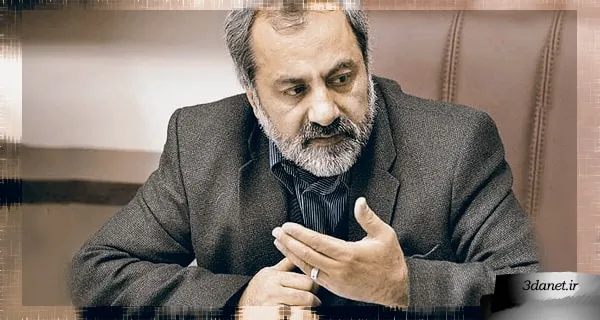
In Intellectualism and Philosophical Foundationalism, Emad Afroogh explores the concept and history of intellectualism in contemporary Iran through a dialogue format. He examines a typology of Iranian intellectuals and Ali Shariati's ideals of mysticism, freedom, and equality.
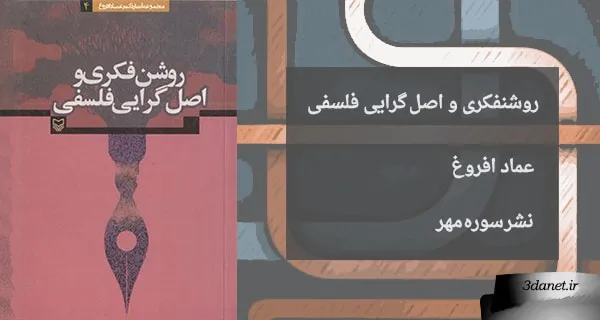
The book Intellectualism and Philosophical Foundationalism is among those works that can be very useful for individuals interested in the intellectual sphere, the understanding and examination of its concept and history, as well as the state of intellectualism in contemporary Iran and familiarity with figures such as Dr. Shariati, Martyr Motahhari, and the typology of intellectualism in Iran. Dr. Emad Afroogh, a sociologist and university professor who has authored more than ten books in the field of social and sociological issues in Iran, has, in this book, through various dialogues, undertaken the task of understanding and clarifying the aforementioned issues.
For example, in a section of the dialogues in this book, they introduce and categorize the typology of Iranian intellectuals:
«The best way to determine the intellectual origins of intellectuals is to first present a typology of them, both synchronically and diachronically, historically. In general, we have experienced four categories of intellectuals in Iran. The first generation of intellectuals are referred to as tradition-escaping and uncritically West-oriented intellectuals. The second category are nativist, critically tradition-oriented, and Islamist intellectuals. The third generation of intellectuals are those who are, in a way, seeking to revive the first generation of intellectualism, and can be referred to as neo-tradition-escaping and West-oriented. The fourth generation is taking shape in the revival and continuation of the second generation of intellectualism, which can be referred to as neo-Islamist, neo-nativist, or neo-critically tradition-oriented. They may not have yet emerged as a current, but it can be said that they are active individually and are trying to revive indigenous intellectualism in the country. Each of these has its own intellectual and epistemological origins ...»
Also, in another part of the book, regarding the late Shariati, they enter the discussion as follows:
«The late Shariati clearly stated his goals in his works. In fact, his goal was the establishment of a system that could, at the very least, combine the three aspects of mysticism, freedom, and equality. I personally believe this ideal is very sublime. He had neither the Enlightenment view, which is solely concerned with individual freedoms, nor was he solely preoccupied with the concerns of the socialists, whose attention was directed at the aspect of equality in the economic dimension. I think if we want to have a balanced, intermediate, and religious view on the categories of freedom and justice, and want to have these two together and indigenize them, we must do so with a bond. It must be acknowledged that the link between them is only mysticism and love. I think one of Shariati's masterpieces is precisely this point.»

Discussion0 comments
No comments yet; let yours be the first voice.