Political Science
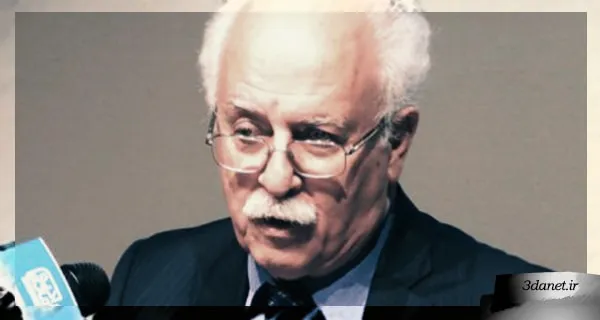
An Examination of Seyyed Ahmad Fardid's Critiques of Liberalism and the West, by Emad Afroogh and Abdolrahman Hasani-Far
Liberalism, as the “modern theory of Western civilization,” has become a contentious issue in non-Western countries. Seyyed Ahmad Fardid critiqued the foundations and consequences of liberalism and the West through a causal lens and from an anti-Western standpoint.
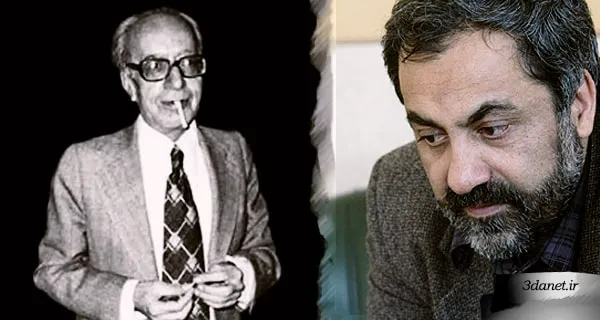
The West and the concepts and ideas associated with it, such as liberalism, modernity, democracy, capitalism, secularism, technology, development, and so on, are subjects that have become problematic for non-Western countries. Some individuals, in describing liberalism as the principal and most important idea of the contemporary era, employ the expression "the modern theory of Western civilization." The idea of liberalism and certain manifestations of the West and its civilization have spread to other countries, including Iran, in both genuine and distorted forms; some have aligned themselves with it and accepted it, while others have confronted it and sought to reject, refute, or critique it. Alignment with modernity crystallized in the emphasis on law and its derivatives, such as the constitution, parliament, equality, parity, the right to vote, and the limitation of the monarch's power; those who confronted it were also opposed to human law, all-encompassing freedom, equality among all (Muslim and non-Muslim), secularism (the separation of religion from the world), extensive freedom of speech, and freedom of belief; opponents and critics were also opposed to or critical of freedom, legislation, justice, and parity, as well as the specific Western definition of humanity, knowledge, existence, and the ultimate purpose of life. In this article, we examine the views of Seyyed Ahmad Fardid, who is among those who, from an anti-West perspective and with a causal approach, present critical views in opposition to the West and the dimensions of liberalism (the foundations, pillars, and outcomes attributed to liberalism).
.
.
عنوان مقاله [English]:
The Criticism of Liberalism and West from Seyed Ahmad Fardid’s Viewpoint
چکیده [English]:
West and other relevant concepts such as liberalism, modernity, democracy, capitalism, secularism, technology, development, and etc are subjects that are problematic for non-western countries. Some people named the liberalism as the “west modern civilization theory” in recent period. This idea (liberalism) and other western concepts came to the other countries like Iran really or unreal. Some followed its thoughts and accepted it and others did not .These rejected, dismissed and criticized. Accompanying the modernity was accepting the law and its derivatives like constitution, parliament, equality, the right of vote, the limitation of king power. Others are against human law, absolute liberty, equality among Muslims and non-Muslims, secularism, widespread speech freedom, religious freedom and human legislation, liberty, equality, human in western discourse. Fardid is one of the persons that opposed the west and liberalism aspects with anti-west perspective and casual approach, presented some opinion. In this essay these ideas were studied for the sake of understanding the level of fardid’s criticism.
.
.
دانلود pdf مقاله بررسی نقدهای سیداحمد فردید بر لیبرالیسم و غرب
دانلود از سرور اول | دانلود از سرور دوم | دانلود از سرور سوم | دانلود از سرور چهارم
.
.
بررسی نقدهای سیداحمد فردید بر لیبرالیسم و غرب
Authors:
Abdolrahman Hasani-Far (Faculty Member, Islamic Azad University, Takestan Branch)
Emad Afroogh (Retired Professor, Institute for Humanities and Cultural Studies)
Source:
Philosophical-Theological Researches, Year Twelve, Fall and Winter 2010, Nos. 1 and 2 (Serial 45-46)
.
.

Discussion0 comments
No comments yet; let yours be the first voice.