Philosophy
Introducing God and the Reach of Reason by Erik J. Wielenberg
In God and the Reach of Reason, Erik J. Wielenberg stages a conversation among C.S. Lewis, David Hume, and Bertrand Russell on God, morality, and faith. Soltanzadeh's translation, by making these modern texts available, narrows the gap between Iranian intellectual discourse and the wider world.

Critical thinking in the modern era is attributed to Kant. But before him, the conditions for it had been prepared in the philosophies of Descartes, Spinoza, Locke, Berkeley, and Hume. Descartes, in his treatise Rules for the Direction of the Mind, provides explanations regarding the subject's abilities in cognition and its limitations. This is the beginning of the critical attitude and, in a sense, the Age of Enlightenment. Spinoza takes this thinking to its highest level, such that he completely rejects the common religious beliefs attributed to the Torah, which claimed revelation. The English school also engaged in a critique of belief in corporeality, and Hume, at his most extreme, deemed the possibility of understanding the surrounding world practically impossible for humans and considered access to knowledge unattainable. Hume, in his book The Natural History of Religion, tried to distinguish between its polytheistic contamination and its monotheistic nature. He believed that religious monotheism results in fanaticism and polytheism leads to tolerance. He believed that in religious monotheism, there is no place for other religions and the God of other religions, and the rest are considered atheists and apostates. But in polytheism, the possibility of intellectual pluralism exists.
With the beginning of Christianity and its dominance over the world in the Middle Ages, an unbreakable bond was created between religion and theism. After the start of the Renaissance and the critique of medieval thought, many philosophers tried to revive theistic thinking and separate it from Christianity. First, Descartes revived Anselm's argument but challenged medieval Christianity. After Descartes, it was Leibniz who offered a naturalistic interpretation of religion. He interpreted the world as a mechanical machine with its own specific laws.
The conflict between science and religion is the greatest conflict of the modern age. The history of this conflict stretches from after the Industrial Revolution to the present day. During this time, many have tried to reconcile the two. Many supporters of religion, in an effort to free religion from the assault of reason, explained it as a non-rational and intuitive category. That is, the path of reasoning is closed to it, and it can only be grasped through intuition.
The concern about a moral rupture following reason's attacks on religion was one of the greatest challenges that philosophers faced. Religious scholars like Schleiermacher and Rudolf Otto considered the relationship between religion and morality meaningless and found the two to be in conflict. Machiavelli considered Christian morality a symbol of slavery for humanity. The views of Freud and Marx also fueled this pessimism towards religion.
But it should be noted that moral commitment can have a constructive interaction with religion as a cultural phenomenon.
***
It must be noted that the meaning of each word depends on the context of its use. Many words find other meanings in the realm of philosophy. For this reason, I hope readers will pay more attention to their understanding of the translation, considering the footnotes and cited sources.
This book was compiled by Cambridge University. Essentially, academic work in the field of philosophy is not very familiar to the Iranian reader. The idea that a university would provide financial and research support for investigating or comparing different thoughts has little precedent in Iran. This compilation was carried out based on the accepted principles and structures of this university. Now, in the process of translation, a part of this function or structure may be lost or hidden from the reader's view. I hope these shortcomings will not have a noticeable impact on the result.
Overall, this style of work should be evaluated so that we can adapt ourselves to the process and manner of research work in the world's leading universities. The translation of modern works published in the 21st century is another shortcoming in the field of thought in Iran.
For years, texts from several hundred years ago have been translated in Iran. Truly, it must be accepted that in the realm of philosophy, we are behind in terms of access to and translation of modern texts. For this reason, we do not act effectively in the world in this field. In this work, I try to take a step, however small, in this direction by translating a new work.
C.S. Lewis is one of the most popular defenders of Christianity in the twentieth century, while David Hume and Bertrand Russell are among the most important critics of Christianity. In this book, these three intellectual giants are placed in conversation with one another to shed light on the most difficult and important questions of life ever posed. This book examines the views of these individuals on various topics, including: the existence of God, suffering, morality, logic, pleasure, miracles, and faith. It is seen that alongside irreconcilable differences and conflicts, areas of surprising agreement emerge. Today, amidst the insistent and soulless exchanges between the New Atheists and twenty-first-century believers, curious readers will find intelligent insights in the rational dialogue of these three great thinkers.
Erik J. Wielenberg, the author of this book, teaches in the Philosophy Department at DePauw University. He is the author of the book Value and Virtue in a Godless Universe (2005), published by Cambridge University Press.
In the end, I ask all dear readers, professors, and experts to share with me their critiques and the shortcomings of this book. Certainly, their opinions will be applied in the subsequent correction and improvement of future works. I hope this dynamism will lead to the growth and flourishing of future works.
.
.
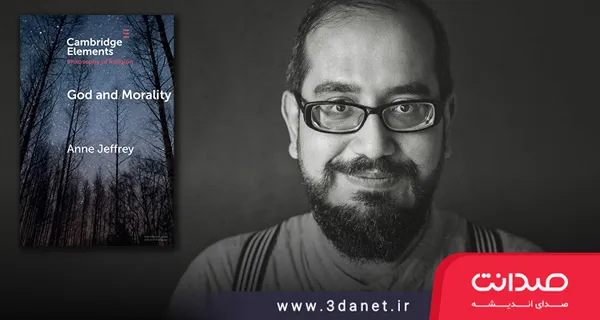
Introducing the book God and the Reach of Reason, translated by Amir Soltanzadeh
Author of the introduction text: Amir Soltanzadeh
.
.
Original Title:
God and Reach of Reason (C S Lewis David Hume and Bertrand Russell)
Author: Erik J. Wielenberg Translator / Editor: Amir Soltanzadeh Format: Octavo Binding: Paperback Publisher: Nashr-e Elm Language: Persian Number of Pages: 268 Publication Year: 2015 Edition: 1st ISBN: 9789642247028
.
.





Discussion8 comments
به نظر کتاب جالبی میاد. این بحثی که اینجا در گرفته نشون میده باید هر دو سوی بحث و بخونم.
آقایا خانم محترم یکم اینکه یکی از منابع را تقریبا کامل آوردم تا نشان بدهم بالاخره مناظره تاریخی میان بوهر و اینشتاین مبنی بر اینکه خدا تاس می اندازد یا خیر؟ به نفع بوهر که خطاب به آینشتاین می گفت لازم نیست تو به خدا بگویی چه کار کند، به نفع بوهر خاتمه یافت. دوم اینکه بابت این اعتماد به نفسی که دارید و خود را از هیات تحریریه مجلهnature که به همراه science معتبرترین مجلات علمی جهان هستند بالاتر می بینید!!!به خنده می افتم. سوم اینکه شما متن را کامل نخواندید که ببینید بستن راه گریز در این آزمایش به طور کامل محقق شده است یعنی اینکه اگر بخواهیم فرض شما را درست بگیریم یا به نقض نسبیت می رسیم یا اینکه هر چی می بینیم توهم است!!! که در این صورت خدایی مورد اعتقاد شما هم توهم به طریق اولی است. چهارم اینکه هر وقت توانستید به من نشان دهید که در کدام بخش از معادله حاکمه لژاندر تراز های انرژی خود را نشان می دهند،آنوقت ارزش دارد به بحث ادامه دهیم.
به جای دفاع از ادعای خود ، فقط نام دانشمندان و نام مجلات را می آورید! این نام ها چیزی را ثابت نمی کنند. چرا سوال مطرح شده را پاسخ ندادید؟ انکار کنندگان خدا همیشه به بن بست می رسند ویا از بحث فرار می کنند. انکار خدا، شمارا نیز مجبور به فرار از بحث نمود.
قانونهای کوانتم، خود دلیل واضحی بر قانونمند بودن جهان است.
اتفاقا کوانتوم نشان می دهد که اگر خدایی باشد جهان را با تاس انداختن اداره می کند.
اتفاقا علم می کوید که در جهان بی نظمی حاکم است نه فقط در مکانیک کوانتومی بلکه در حتی در مکانیک کلاسیک رجوع کنید به science,257,33 G.J.Sussman &J.Wisdom,Science,257,56 I.peterson.Newton's clock:chaos in the Solar System,freeman
پاسخ به فرشید:نظر یک جمله ای شما نشان می دهد که از فیزیک و کوانتم بهره ای ندارید. مردم با آوردن چند نام ، فریب نمی خورند.اینکه نتایج آزمایشهای فیزیک را میتوان در مدلها و مجموعه ای از اصول شناسایی نمود و ازجمله کوانتم، خود بهترین دلیل بر قانونمند بودن ونظم جهان وپدیده های آن است. چرا تمام سیستم های فیزیکی از اصول مشخصی پیروی میکنند. چرا قانونهای کوانتم و تمام قانونها برقرار شده اند؟چرا تمام اتمهای یک عنصر دارای حالت های کوانتمی یکسان ومقادیر مجاز یکسانی هستند؟ به این ترتیب کوانتم نیز نشان دهنده بر قراری قانونها ونظم در جهان است. تابع موج یک سیستم کوانتومی بستگی به سابقه آن یعنی برهمکنشها واندازه گیری های قبلی دارد و واندازه گیری های جدید نیز حالت آنرا تغییر می دهد. این نیز نوعی قانونمندی و نظم است.
علم میگوید که جهان وجود دارد ومنظم ، قانونمند و منسجم است ، واساسا علم در پی کشف قانونهای جهان است.عقل ، این قانونها و وجود عالم را بدون دلیل نمی داندودرپی دلیل آنها فقط خدا رامییابد. به این ترتیب علم و عقل ، توحید را ثابت میکنند. یگانگی خدا واضحترین حقیقتی است که علم وعقل زودتر از هر حقیقت دیگر به آن میرسند.