Philosophy
Is the flesh-and-blood human not in its death throes?
Malekian considers himself concerned with the 'flesh-and-blood human being who suffers,' but has his project of cultural authenticity managed to alleviate any human pain? A critique of overlooking dysfunctional structures and the silence of thinkers in the face of livelihood suffering.
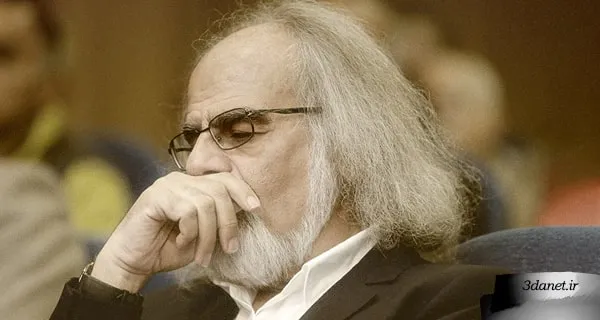
The following text consists of two parts; in the first part, a number of critical sub-questions are raised regarding the current wretched state of affairs and addressed to Professor Malekian, in order to set the stage for a larger critical question for him, which will be posed in the second part of the text. In the second part of the text, I intend, by emphasizing the dialectical aspect of thought (the dialectic of subject and object, or agent and structure), to address the issue that Malekian's thoughts and the project of cultural authenticity, by ignoring structures and the pain and suffering that these dysfunctional structures have created for human agents, have failed to realize the ultimate aim of his thought, which is the reduction of the suffering of the flesh-and-blood human being.
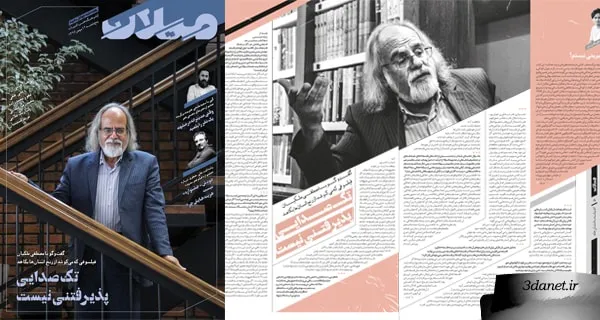
Undoubtedly, one of the most influential thinkers and philosophers in the realm of thought in the last one or two decades is Mostafa Malekian. However, this does not mean that we should neglect a critical view of the intellectual system of figures like Malekian and other thinkers; for as a result of this critical perspective and in a dialectical process, the relationship of "us-them" will be better defined, and the struggle for liberation from the existing undesirable situation will continue. In this text, by raising a painful question arising from the current severely anomic economic, political, and cultural conditions, I will set the stage for a critique of the entirety of his thought.
The course of Mostafa Malekian's intellectual evolution, after several phases, has now arrived at the defense of the project of "Rationality and Spirituality." However, a point that can be observed as a dominant feature throughout his various intellectual phases is an issue that he himself explicitly and repeatedly states:
"I am neither anxious about tradition nor anxious about modernity; I am anxious about the flesh-and-blood human being who suffers in this life."
This very lofty concern demonstrates the height of his erudition, his understanding of suffering, and his anthropology. But the point is, to what extent has Malekian been able to put this idea into practice? The critique I intend to raise is this: has the suffering and pain of the Iranian flesh-and-blood human being not reached its peak in this context and time? Is the human of this land truly living, or merely continuing a physiological existence, with no real zest for life remaining?
Undoubtedly, he sees and understands poverty, wretchedness, prostitution, corruption, inequality, theft, and other sufferings far more than we do, yet why, in these extremely agonizing days, has he, like many other thinkers, chosen the path of silence? Has the mission of the intellectual, who in practice has been unable to alleviate human suffering, fulfilled its purpose? Is it not the case that Tzvetan Todorov, Jean-Paul Sartre, Edward Said, and others emphasize that one of the most important characteristics of the intellectual is practical engagement with the people's issues? Other thinkers such as Aron, Lemert, Bottomore, and Gasset also insist that the intellectual should not join the political apparatus so that they can, in defense of the people, critique the political system and its vast structure.
Although fortunately you have still not joined that apparatus, is there not even a glimmer of your critique of that apparatus, which is the primary cause of the sufferings of the tormented human of this land? Has anything accrued to the flesh-and-blood human being other than a heap of books and lectures that have not untied any of our tangled knots? Does the emphasis on inner, individual ethics heal the pain of a victim who is worn down under the chariot of oppression and the rubble of superstition? Is the main pain of our people today what you persistently insist upon??? Is it not time to aim with full force at the agents of so many naked victims and this hideous slaughterhouse, and to subject them to a barrage of critique and confrontation? Has the time not come, in the face of all this pain, suffering, torment, ruin, and despair, to cry out against injustice?
On the other hand, has the “paradigm of resistance” that dominates the sphere of political structures not also consigned your theories of cultural authenticity to oblivion? Since the price of this resistance is paid by wretched human beings of flesh and blood—the very people whose suffering Mr. Malekian’s project of cultural cultivation seeks to alleviate—why does he not speak out seriously on this matter? Is he not aware that the flesh-and-blood human being is perishing for a pittance? Have the current abnormal conditions not dealt a blow to the body of humanity and humaneness? Why, then, do he and his like-minded colleagues refrain even from issuing a scroll, a letter of protest, or a serious speech on this issue? Why have they ignored the existing dysfunctional structures, deeming for the time being matters of various kinds of pride or other existential concerns such as living joyfully, contentment, being authentic, and topics of this sort to be more important?! And a thousand other questions, which, it seems, given the silence that most intellectuals and thinkers have adopted, will lead us to witness an ever-increasing amount of pain and suffering.
We all know that the other side of the coin of theorizing is socio-political action, meaning that the actions of intellectuals must be organized in such a way as to alleviate some of the sufferings of this era of hardship and historical straits. But unfortunately, for various reasons, we generally do not witness any speech or deed that attempts to change the status quo. What we see are repetitive critiques in conservative guises, which, like that boss’s key, have opened no path for us.
As for the academics, “may God have mercy on whoever recites the Fatiha for them,” they are only concerned with building their résumés and climbing the hollow and futile ranks of academia, and they are fundamentally not the addressees of this writing. In these few lines, I have expressed my minor questions, born of pain and suffering, but in other lines, I will offer a critique of the intellectual projects of cultural authenticity, in which domain Mr. Malekian also theorizes, because part of the indifference and failure to speak out of the likes of him regarding the current state of society stems from a mode of thought and a discursive order that prevents a serious look at external predicaments. Although one can acknowledge that these ideas of cultural authenticity are necessary and essential, they are by no means sufficient, and we have witnessed this insufficiency with our own eyes in recent times.
An insufficiency that, in ignoring external structures, has also ignored the dialectical aspect of thought and thereby dealt a blow to the lifeless body of humanity. Cultural authenticity refers to a set of ideas in which the foundation is placed on reforming the human being as a social agent, and they believe that if the human being is reformed, external structures and systems will inevitably be reformed as well. In contrast, there are ideas that are primarily rooted in the soil of sociology, in which reforming the structure and system is considered prior to reforming the human being.
Mostafa Malekian, through his explicit and implicit emphases on reforming the human being, diminishes the status of the structures, institutions, and systems of the modern era and believes that until the burden of human beings or social agents is not lifted—that is, until inner reform takes place—the burden of society and external structures will not be lifted. In other words, he considers the primacy of the agent over the structure to be the only path to human liberation; for this reason, in a kind of psychologism with an existential hue, he seeks to uncover the inner and psychological layers of the human being in order to find some remedy for reforming the human interior.
He considers external institutions to be names without referents, having no external existence; what exists are human beings and nothing more. A nominalism by virtue of which one must declare the death of sociology and also the death of the function of the modern humanities. He himself, in defining the humanities by their function, says: critique and reflection for transforming the existing state of affairs into the desired state of affairs. Does the nominalism to which he subscribes not neglect the existing state of affairs, a large part of which consists of structures and laws, and does it not fundamentally violate modern knowledge?
A major portion of the modern humanities, as will be discussed later, seeks to change and reform the outside, and when the outside and its institutions are misnomers, it will be meaningless for such forms of knowledge to be relevant. As the writer of these lines understands it, it is true that their defense of this idea has a philosophical backbone, but it cannot be denied that this idea also has roots in the world of religion and theology, especially mystical theology.
In religious theology, there is a constant emphasis on the reformation of the self with phrases and expressions such as purification, becoming virtuous, liberation from inner afflictions, freedom, and curing inner ailments; therefore, as Malekian himself says: "One must think of the democratic inner self," and not just the democratic institution; it is for this reason that he makes the building of the inner selves of democratic agents the focus of his endeavor. (2) It is quite clear that building this democratic inner self has been less of a goal and end of modern rationality. The dominant aspect of modern rationality is directed toward an external goal. Thus, modern reason, whether normative reason or technical reason, or if I may use Weberian terms, whether substantive reason or formal reason, does not pay much attention to the inner world of the human being. The lineage of this reason, tracing back to the likes of Descartes and Kant, is also not much concerned with the inner reformation of the human being, but rather thinks of changing the human's exterior and building institutions and structures that make external liberation and human freedom possible.
Fundamentally, the very concept of subjectivism is a kind of domination over the external and control of the outer world, not the control and restraint of the human being's inner world. In other words, modernity did not come to cleanse the human being's interior of all inner afflictions—afflictions to which both traditional and modern humans are susceptible—but rather it is a project seeking to reform the outside through the rationalization of agents and the alteration of external institutions. Undoubtedly, the democratic inner self is achieved through the refinement of the human being from inner afflictions such as arrogance, envy, hypocrisy, lying, and unbridled self-interest, and on the other hand, through attention to the presence of the other and altruism, etc. It is here that thinkers like Malekian deem religion and mystical-theological-spiritual teachings necessary and essential for repairing modern reason, which is incapable of building democratic inner selves.
Therefore, Enlightenment and modern rationality have no business with inner reformation; their entire concern and endeavor is the liberation of the individual from external shackles and chains. The thoughts of figures like Malekian can be considered a reflective supplement to the deficiencies of the modern world, which, for example, desire the democratic inner self and the democratic institution together, but with the proviso that the inner self takes precedence over the institution. Although the need for a democratic inner self is intensely felt in a dialectical process with the democratic institution, focusing on one and abandoning the other, or establishing a priority and posteriority, does not lead very far.
The point here is that this theological-mystical concern for Malekian, even if it is correct, cannot, in the rupture that modernity has created with the world of tradition, be sufficient for solving the problems of the contemporary human being. In a sense, perhaps ideas that emphasize inner reformation can, for example, provide a kind of freedom for the human being, but alas, modern freedom is not achieved solely through inner reforms. External and structural reforms must also, in connection with inner reforms, complete the dialectical aspect of the matter.
That is, the contemporary human being needs the dialectic of freedom and liberation, and not merely one of them. The theological-psychologistic lineage of Malekian's project has proliferated to such an extent that it severely diminishes the status of external systems and structures, and by placing emphasis on cultural change—that is, change in feelings and emotions as well as change in desires—it manifests its entire project in the verse "Indeed, Allah will not change the condition of a people until they change what is in themselves." But one must ask: it is true that inner reformation must take place, but should the other side of the coin not be forgotten? In truth, the main pain of "our" people today is the pain of structure, the pain of corrupt and inhumane institutions, and the oppression of the whole upon the particulars.
On the other hand, Malekian considers self-concealment to be part of making humans virtuous and has explicitly expressed his inclination toward the virtue ethics school. But the point is that in all ethical schools, the normative aspect of ethics is also emphasized; where in his project does he show the way, the pitfalls, and the norms of becoming virtuous? The emphasis on spirituality and mysticism has existed throughout history, but why has it not been able to simultaneously reform the inner and outer lives of human beings? Virtue ethics requires education and cultivation so that a human being is formed who does not make a mess of institution-building and legislation, but where in your thought is the practical path of this process specified?
Change in emotions and desires requires an educational and nurturing program, which is not very clear in his thought. That the teachings of the prophets indicate human-making is clear and evident, but, for example, what did these prophets do with the people so that a righteous human being was cultivated? Such detailed and practical norm-setting is not observed in Professor Malekian's program, and this is another criticism, namely that the aspect of inner reform has also been left incomplete. The concern here is that inner reform remains a slogan and an ideal, and outer and institutional reform is also neglected, which is adding insult to injury and does not even grant us the minimal reforms of countries like the Scandinavian countries. In this case, both types of reform are lost, and we will intensely undergo a regressive course.
It must be acknowledged that the very nature of these external structures, in an era referred to by terms such as late modernity or postmodernity, is such that they have themselves acquired a kind of agency, and it sometimes seems that they operate independently of human agents. Sometimes—rightly or wrongly—they have become so vast, broad, and long that they have reached the limit of an iron cage from which no exit can be found. Structures are devised in such a way that, like the problem of language, they are both constraining—meaning one must speak within the framework of that same language, which has specific boundaries and limits—and also provide possibilities; after all, without this language, we are unable to express ourselves. In the modern world, ignoring structures and their functions is not possible. Therefore, because he places structural reform at the furthest extreme of his thought, he never speaks of the pains that these dysfunctional structures impose upon human beings.
I mean fundamental critiques of political and cultural structures, not what problems the university in Iran has; for the university is also a slave to that same dominant grand narrative. On the other hand, if we also take a look at that same theological system, we clearly find that revelation and the bearers of revelation were not only seeking inner reform, but they also changed external structures, and in a dialectical process between the sacred text and the historical context—within which the structures are situated—a relationship of formation and being-formed has occurred. That is, the sacred text and the prophet did not only consider inner reform, although they considered inner reform to be prior, but they also made the reform of and attention to the external structures of the society of their time their object of endeavor. Formation means giving shape to reality, which includes both the inner formation of human beings and the outer formation of structures. On the other hand, being-formed means receptivity to shaping; in this way, the sacred text and the prophet were also influenced by the external structures of that time. Therefore, the dialectic of inside and outside, mind and object, agent and structure, and whatever name is given to it, has held true throughout the history of human thought.
Is it not, as Mohammed Abed al-Jabri proposes, that the governance of the self is not connected to the governance of the city? Governance of the self and governance of the city means taking into account both agent and structure. Therefore, there is no reason for Professor Malekian to insist so much on the priority of the agent over the structure and to ignore the structures that have crushed and pulverized the lives of millions of human beings who are the professor's concern. The issue is not the priority of one and the posteriority of the other; the issue is the agonistic and dialectical aspect of matters, which does not admit of priority and posteriority.
The crux of the matter is the dual importance of structure and agency. His theoretical and practical contradiction becomes apparent whenever politicians have called for structural reform, and he has risen to support them. A very recent example was his support for Mr. Rouhani’s presidency. What arguments did he not marshal in support of Mr. Rouhani, even considering it his moral duty to back him. This “discursive event,” to use Foucault’s term, calls into question a part of his thought and the discourse of the primacy of culture. To elaborate, if structure and the system are unimportant, why did he support changes that were supposed to be carried out by the heads of these structures—and were never carried out? You who knew that the managerial purview of the presidency is not cultural reform, which in the master’s own view has many ethical dimensions, and that power is devoid of these ethical dimensions. Is it not the case that the presidents you supported intended to create or strengthen structures that would better pave the way for cultural reform for the likes of you? So, if structure is also important, and if, in today’s world, the ideas of people like Norbert Elias and Anthony Giddens—who emphasize the dialectic of structure and agency in the process of structuration—are indeed more accurate, why do you not speak seriously in criticism of structures that have left people with no vitality for life? (2) Why do you not voice protest warnings? In these circumstances, what pain does existentialism remedy for the flesh-and-blood, skin-and-bone human?
A philosophy professor who cried out that he does not own a single meter of land in this country, but such-and-such footballer, such-and-such actor, and such-and-such politician own so many villas—this professor, who himself has a long arm in introducing Heidegger and defending his ideas, laments in this way, let alone the ordinary people in the streets and bazaars. What good does joyful living, contentment, authenticity, and other existential concerns do for these people who are dying? The issue criticized in this writing is not that the project of the primacy of culture is incorrect; rather, as I understand it, the dialectical aspect of the matter, that is, the dialectic of agency and structure, can better illuminate the path.
Even if we accept that in any spatio-temporal coordinates the role of one becomes more prominent, there should be no doubt that in today’s Iran, one must grab structure by the collar. Of course, it is difficult to bring this dialectical aspect together within a single intellectual system, and it seems that this is the work of the world’s geniuses; but the effort to reach such a system must continue. Therefore, a huge part of the pain and suffering of the current flesh-and-blood, skin-and-bone human stems from chaotic structures that, amid the cultural poverty and intellectual misery of agents, add day by day to this excruciating pain and suffering.
In short, the silence of thinkers, intellectuals, and academics in the current situation has no moral justification whatsoever, and indeed, this type of conservatism is the most dangerous form of immorality. Hence, not only Mr. Malekian but also other thinkers who have sealed their lips in silence must speak, offer a forthright critique, issue a practical, protesting warning, and cast a new plan, so that humanity suffers no more in this ruin.
This type of criticism also applies to the likes of Mr. Farahpour, Abazari, and their disciples, who, instead of theoretical and practical critique and protest, are solely focused on purely theoretical lectures and translating works that no humans, apart from the elite segment of the leftist discourse, can gain any understanding of. However, in this writing, the address was to a master who explicitly organizes his intellectual system around reducing the pains of the flesh-and-blood, skin-and-bone human, yet, in disregarding structures and for numerous other reasons, has made little practical effort to reduce the pains of that suffering human he has in mind. It is astonishing that this human is dying, yet no one utters a serious lament over its death throes. (3)
.
.
[1]. The Prophet’s first marriage should be viewed within that same framework, meaning he altered structures to his benefit in such a way as to pave the way for cultural reform.
[2]. Of course, the author is aware of the conceptual differences between agent and structure among these sociologists and the individualistic aspect of thought in Malekian's mental context, which also bears a religious hue, but there are also major commonalities in their understanding of structures, institutions, and agents.
[3]. I should also note that the author of this piece has studied all of Malekian's written works, up to the most recent, Earth Through the Lens of Heaven, and even his lecture in Mashhad on the primacy of culture and a critique of sociology. It is worth recalling that in the Mashhad lecture, Malekian acknowledges, "I am not responsible for changing the status quo." In my view, this statement, within that same context of ignoring external structures, is a kind of intellectual self-harm and contradicts the purpose of the intellectual movement.
.
.
A Critical Question for Mostafa Malekian
Is the flesh-and-blood human not in its death throes?
Author: Hesamoddin Khakpour, 5/1/1398
.
.
.webp)
Discussion23 comments
این آدرس ایمیل حسام الدین خاکپور است که اگر کسی خطاب به وی بحثی دارد برایش بفرستد. H.KHAK1366@GMAIL.COM
نقد کردن اندیشه های ملکیان کار مبارکیست و این البته از روشنی و نظم اندیشه ایشان است ک نقد علمی و دقیق را میسر می سازد. (حرفهای پراکنده و نامنظم چندان قابل نقد نیستند، یا حداقل این نقد گرهی را باز نمی کند) نسبت به نوشته خاکپور: به نظر من جدی ترین نقد ایشان همین جمله است: «اگر هم قبول کنیم که در هر مختصات زمانی ـ مکانی نقش یکی از آنها برجستهتر میشود، شک نباید کرد که در ایرانِ امروز باید یقهی ساختار را چسبید.» چرا که ملکیان دقیقا در مقابل این ایده می ایستد و فرهنگ فردی را ضریب بیشتری می دهد. اینجا نقطه گفتگوست. اما محافظه کار خواندن و عافیت طلب شمردن ملکیان -جدای از آنکه با واقع چندان سازگار نیست- یک نقد علمی هم نیست، چون فریاد برآوردن و با نظام حاکم به نحو سیاسی درپیچیدن متوقف بر مبنایی است ک ملکیان -حداقل به عقیده خود- آن مبنا را رد می کند، پس مطابق عقیده خود رفتار می کند و اشکالی بر او وارد نیست. عجیب است ک خاکپور با تفطن و توجه به این نکته باز یقه ملکیان را می گیرد... اگر هم حرف آنست ک از آنجا ک ملکیان یکسره نقد و اصلاح ساختار و نهاد را نفی نمی کند پس باید در این جهت هم عملا کاری بکند -ک این حرف درستی است- باید گفت از ضرورت اصلاح ساختار دم زدن تا اقدام عملی در تقابل صریح با نظام راه بسیار است و پل زدن از این مقدمه به آن نتیجه به همین سادگی بسیار سطحی می نماید (کامنت ابراهیم کوروشی را ببینید). اما اگر این استدلال مستحکم و متقن شد، اشکال نویسنده وارد خواهد بود. در مقابل اما ملکیان حق دارد بگوید حل تمام مشکلات را نمی توان از یک نفر خواست. به نظر، اگر ملکیان میخواست در این طیف وسیع دست به عمل بزند از عمق کار و تاثیرش کاسته می شد. هر چه وسعت بیشتر شد عمق کاهش می یابد.
خواهش میکنم برادر عزیز تعصبی به ابن موضوع نگاه نکنید و بر اساس عقلانیت به این مقاله بنگر
دوست چند صد عنوانی! جان تمام مقدساتت با چند تا اسم کامنتهای بیمزه نذار سایت رو کاملا خوار و خفیف کردی... بظاهر مسلمانی؛ حتما میدانی دروغ و تظاهر و دغلکاری، آفت مسلمانیست.
دوست عزیز به نامها توجه نکن به گفته ها توجه کن.آنچه عقلانی است بپذیروآنچه غیرعقلانی است نپذیر.
درخواست «جواب علمی» از طرف سهیل واقعا من رو تحت تاثیر قرار داد.
سلام عرض می کنم چه عجب! زنده ام و شاهد یک گفتگوی هر چند کوتاه هستم. البته به نظرم بیشتر یکطرفه است. و پر از خطا از جانب طرف بسیار محترم دوم _ اولین و بزرگترین خطا : من همه نوشته ها و سخنرانی های طرف اول را خوانده و گوش داده ام!؟. سوال : واقعا"؟ و با چه رویکردی؟ دنبال چیزی بودید، چه چیزی؟ و چگونه گوش داده یا مطالعه کرده اید؟ و ... . و خطای کمتر _ آنهم بخاطر محدودیتهای طبیعت انسان و محیط انسان، و موضوع، زمان و مکان و تحولات بسیار سریع شان، و ... _ از طرف اول. دوستان بسیار خلاصه، نظراتشان و سوالاتشان و خواسته هایشان را بیان فرموده اند. من هم عرض می کنم که مهارت داشتن ذهن و بدن باز، با بینندگی و شنوندگی بی طرف و با انصاف و در نظر گرفتن موضوع، زمان و مکان، و ... بسیار نیازمندیم. طرف دوم از طرف اول ناراحت است؟ شاید! انتظاری از ایشان دارد؟ شاید! و ... . من همسانی یا هم اندازه گی در میان نمی بینم. غیر از اینکه ما همه حق نقد همه را داریم. بنده یک تا شش آقای منوچهر را بیشتر مورد پسند یافتم. بعلاوه نفی کامل 7 ایشان.( در مورد 7 خیلی ها این خطا را در مورد ایشان مرتکب شده اند.) از آقای متولیان هم متشکرم که تیزتر سخن گفته اند و ... . باور بفرمایید نهایت سعی ام را می کنم شیفتگی ای به کسی نداشته باشم؛ چون تا آنجا که با طرف اول آشنا هستم، ایشان خود را نقد هم می کنند. به منتقدینشان _ اگر نسبتا هم سطحشان باشند، یا سوال و نقدشان مورد توجهشان باشد _ جواب های مناسبی داده اند. متشکرم!
به نظرمن جناب استاد ملکیان تمام تلاش خودشان را می کنند و این ارزشمند است.ایشان همیشه دنبال برقراری صلح و آرامش هستند.ایشان پیام آور صلح و دوستی هستند.همیشه منصفانه قضاوت می کنند.
احمد مفتی زاده رهبر حرکت دینی مکتب قرآن در کردستان در ضرورت تقدم نهان سازی بر نهادسازی آرای جالبی دارد که می شود با آرای ملکیان مقایسه شود...
نوشتار جالبی بود، امیدوارم خود آقای ملکیان یا هم فکران وی جوابی علمی داشته باشند...
سلام دو صد گفته چون نیم کردار نیست منم جدیدا به این نتیجه رسیده ام جنابان سروش،ملکیان زیبا کلام و خیلی از عزیزان دیگه به اندازه ی کافی در این چند سال صحبت و ابراز تفکر و اندیشه کرده اند فکر کنم زمان اون رسیده این عزیزان کمی به استراحت بپردازند تا تفکرات جدید فرصت رویش پیدا کنن این عزیزان هرچه در چنته داشتن ارائه کردند زمان تفکرات جدید رسیده است..سپاس
مگر سروش و ملکیان جلوی صحبت کردن و ابراز نظر دیگران را گرفته اند ؟! اندازه سخنوری و زمان استراحت دیگران را شما تعیین می کنید ؟ مگر مجبور به شنیدنید ؟ این نمود میل به خفه کردن دیگران است از سوی کسانی که ابزارش را داشته باشند بدتر می کنند !
به نظر من، انتقادی منصفانه است. مهم ترین سطور این مقاله به گمان من عبارت است از: (اگر هم قبول کنیم که در هر مختصات زمانی ـ مکانی نقش یکی از آنها برجستهتر میشود، شک نباید کرد که در ایرانِ امروز باید یقهی ساختار را چسبید. البته که سخت است در منظومهای فکری این وجه دیالکتیکی با هم گرد آید و به نظر میرسد که این کار، کار نوابغ جهان است؛ اما باید تلاش برای رسیدن به چنین منظومهای ادامه یابد. بنابراین بخش عظیمی از درد و رنجهای انسان گوشت و پوست خوندارِ کنونی، ناشی از ساختارهای بیسامانی است که در فقر فرهنگی و فلاکت اندیشگانی عاملان، روز به روز بر این درد و رنج جانکاه میافزایند.) در بخش هایی از سخنرانی اخیر جناب بیژن عبدالکریمی_ با عنوان آیا روشنفکران گامی به جلو برداشته اند؟_ این انتقادات به زبانی دیگر و به شکلی دیگر گفته شد. اینکه روشنفکران ما باید علاوه بر بخش فرهنگی، (به نیرو های اجتماعی و ساختار های اجتماعی و تحلیل اقتصادی_ اجتماعی) توجه جدی بکنند که متأسفانه نمی کنند. بله، اصل و اساس، فرهنگ است ولی قطب فرهنگ با قطب اقتصاد رابطه دیالکتیک دارد و در زمینه و زمانه ما، این بخش اقتصاد است که در حال نابودی و زوال است و روشنفکر های ما باید برای احیا این محتضر تلاش بکنند. البته، چه بسا حرف های ناگفته ای هم جناب ملکیان داشته باشد که: (فرض کنید که مثلا من و امثال من، قدرت سیاسی را نقد کردیم. که چه؟؟ آیا قدرت سیاسی محل و اعتنایی به روشنفکران و دانشگاهیان و متفکران و هنرمندان میگذارد؟؟ اصلا آیا خود مردم و توده و عوام از منتقد حمایت می کنند؟؟ مردم ی که سرانه مطالعه شون روزی چند دقیقه است و به رغم تعصب و غیرت دینی حتی کتاب های مقدس و معنوی خودشون رو مانند نهج البلاغه و مثنوی معنوی یکبار نخوانده اند، چه برسد به سایر کتاب هایی مانند ادبیات و فلسفه اروپا و غرب، چه تصوری می توانند از امثال ما روشنفکران داشته باشند؟؟ گیرم جمعیت قابل توجهی هم حمایت کردند آیا اینقدر فرهیختگی و روحیه دموکراتیک و مدارا در جامعه وجود دارد که اتحاد مردم از بین نرود و به خونریزی و جبهه بندی های آتشین منجر نشود؟؟ نه قدرت سیاسی اعتنا می کند ونه مردم و ملت حمایت می کنند، پس چطور می توان با اعتراض خشک و خالی، ساختارها را تغییر داد!). به شخصه، برای من مصیبتی است که می خواهم برای مردم عادی و اهل مسجد و بازار توضیح بدهم امثال مجتهد شبستری کیستند و حرف حساب شان چیست؟ متأسفانه، فاصله روشنفکرهای دینی یا معنوی یا هر چی اسمش را میگذارید_ کسایی که سعی می کنند فهم معاصری از دین داشته باشند و با زبان معاصری دین را معرفی کنند_ با توده مردم خیلی خیلی خیلی زیاد است و حتی برای خیلی ها اسم شان ناآشنا است. در حالیکه مردم همان اهرم فشاری هستند که پشتیبان هر اعتراض و انتقادی هستند.
دوست عزیز توصیه میکنم زیاد به خودت مغرور نشو، شبستری اکثر حرفاش ترجمه گادامر و نصرحامدابوزید و .. هاست و چندان چیز جدیدی از خود ندارد، برادر خوبم مبادا جو روشنفکری دینی برت دارد و به پیرمردهای مسجد و عموم، نگاه فهمیده-نفهم، عاقل-جاهل ، متفکر-مقلد و یا بالادست-پایین دست داشته باشی! بدان که خود تو هم مانند آنان، عمدتا مقلدی با این تفاوت که تو افق نو تری را برگزیدی و آنها اکثرا سنت پدریشان را. اگر شبستری و امثال او نبودند تو بازهم تفکرات آنها را داشتی یا اینکه... و این را هم بدان که نه دینداری پیرمردهای مسجدی خالی از اشکال است و نه سخنان شبستری، و اگر تاریخ بخوانی و از حجاب معاصرت در بیایی، امید است که بهتر سخنان حقیر را متوجه شوی. از کجا معلوم که تو اگر در شرایط همان پیرمردهای باصفای مسجد بزرگ میشدی، رگ تعصبت و اقتدا به سنتت بیشتر گل نمی کرد؟ خلاصه آنکه ایاک ان تنصب رجلا دون الحجه فی کل ما قال. میخواهد آن رجل شبستری باشد یا مکارم شیرازی!
جناب خاکپور، اسمتان را که در اینترنت جستجو کردم، انتظار داشتم از فردی که اینچنین دیگری را نقد میکند مطالبی ساختارشکنانه و جسورانه بیابم اما به غیر از چند مقاله انتقادی معمولی و ملایم در رسانههای محلی و یکی از روزنامههای سراسری چیزی نیافتم. پس به خود شما هم همان نقدی وارد است که به آقای ملکیان وارد کردید. شما اگر خودتان فضا را برای نقد رادیکال مساعد میبینید و امید به اثربخشی آن دارید بسمالله. آستینها را بالا بزنید و به قول خودتان وضعیت موجود را «به رگبار نقد ببندید» و «یقه ساختار را بچسبید». پای هزینه نقدتان هم مردانه بایستید. اما لطفاً از کسی طلبکار نباشید و دیگران را به عافیتطلبی متهم نکنید. نه شما و نه هیچکس دیگری، در جایگاه عرفی و قانونیای نیستید که بخواهید از آقای ملکیان یا به زعم شما هر متفکر دیگری حساب پس بکشید، برایشان تعیین تکلیف کنید یا آنها را مورد قضاوت اخلاقی قرار بدهید. از منظر پراگماتیستی، اینکه پروژه عقلانیت و معنویت آقای ملکیان چقدر موفق و اثربخش بوده است را باید افرادی نظر بدهند که از این آموزهها در زندگی خود استفاده کردهاند. اینکه این آموزهها از نظر شما کماثر و بیهوده است، دلیلی بر این نیست که برای دیگران هم اینطور باشد. انتقاد شما به آقای ملکیان بابت حمایت از رئیسجمهور فعلی در انتخابات اخیر هم غیرمنطقی و مردود است. ایشان همانند بسیاری از افراد جامعه در آن برهه، براساس ارزیابیهایی که انجام داده بودند و خوشبینیای که به طور عام وجود داشت، به این جمعبندی رسیده بودند که عقلانیترین تصمیم، حمایت از رئیسجمهور فعلی است. ایشان که علم غیب ندارند که بدانند بعداً چه اتفاقاتی میافتد. آیا خود شما در گذشته تصمیمی نگرفتید که بعداً به این جمعبندی رسیده باشید که بهتر بود به شیوه دیگری عمل میکردید؟ از خواندن این جمله شما بسیار تعجب کردم: «از این رو نه تنها جناب ملکیان بلکه دیگر متفکران نیز که مهر خاموشی بر دهان زندهاند، بایستی سخنی بگویند، نقدی صریح داشته باشند، هشداری اعتراضی و عملی داشته باشند، طرحی نو دراندازند، تا انسان بیش از این در این خرابآباد رنج نبیند» چقدر میتوان بیانصاف بود و این حجم از سخنرانیها، درسگفتارها، کتابهای تالیفی و ترجمه و مطالب ارزنده آقای ملکیان که به رایگان یا با کمترین قیمت در اختیار افراد قرار میگیرد و عمده آنها با هدف بهبود وضع زندگی مردمان است را به «مهر خاموشی بر دهان» تعبیر کرد؟ مصطفی ملکیان کاری را که در آن تبحر دارد یعنی بیان ساده و مختصر مفاهیم ثقیل و ترجمه و تالیف آثار فلسفی را انجام میدهد و شخص دیگری کار دیگری را. قرار نیست همه افراد مثل هم عمل کنند، بلکه هر کس بر اساس توان خود و جهانبینیای که دارد عمل میکند. امیدوارم درک کنید نه شما و نه هیچ بنی بشری آن جایگاهی را ندارید که بخواهید در مورد تکلیف اخلاقی دیگران حکم صادر کنید. توصیه مشفقانه من به شما این است که کاری را که با نظام ارزشی خودتان سازگاری دارد و به اثربخشی آن امید بیشتری دارید، انجام بدهید و از دیگران توقع و انتظاری نداشته باشید.
ایشان در گفتگوهای مختلف برای خود اصلا شان روشنفکری قائل نیستند که حالا بخواهند از مولفه های روشنفکری دفاع کنند. توصیه هایی به روشنفکران دارند ولی خود را در جرگه آنها نمی داند.
سیاست مصطلح، و سیاسیون متعارف (کسب قدرت برای اهداف بزرگِ خود، حال هر چه باشد این اهداف)، کم اثر ترین ساختار و ابله ترین و کوته بین ترین افراد هر ملتی اند. آن چه که موثر است حتی در حال و روزِ حتی معیشتی یک ملت، تا حال و روز بهروزی همه جانبه آن ملت، ساختِ حقیقی ای است که ملکیان سرِ آن دارد تا به آن بپردازد. آن چیز که پدر همه ی ما را درآورده، و در می آورد و در خواهد آورد، سیاست نیست و یک مشت سیاست باز کوته فکر نیستند، ساخت حقیقی این جماعت و این ملت است که عصاره هایش این چنین اند که شما فقط از دست آنان نالیده اید. جسارت بزرگ در پرداختن شجاعانه به همین حقیقت بکر است که با وجود ملامت ها (که طرف سیاسی نیست و جاخالی می دهد) به کار خود ادامه می دهد، اما در جای خود لاپوشانی هم نمی کند. اگر مصطفی ملکیان در جاهایی، به مصداق های عینی پیشگیری از جنگ رو کرده و خواستار رای برای شان شده، می تواند تخطی از سیاست اصلی خود وی باشد، اما سیاست عمومی ملکیان هنوز هم درست است، تا زمانی که هیچ گاه به صحنه ی سیاست ابلهانه ی روز (به دلیل نگرانی های بزرگ ملی) وارد نشود و سلامت سیاسی اصلی خود را در معرض آسیب نوسانات روزمره قرار ندهد.
ملکیان اصلاحطلبه و از اصلاحطلبان بیش از این انتظار نیست ملکیان خودشم میدونه که اصلاح مردم در یک سیستم سالم امکان پذیره یا به عبارتی سیستم خراب کنونی باعث حذف افراد درستکار و به حاشیه راندن آنها شده و اگر سیستم سالمی بود افراد سالم راس کار بودند و مردم هم اخلاق مدار میشدند
بنده در عین حال که با بخشی از فرمایشات جناب خاکپور نسبتا موافقم ، اما در عین حال در سخنان ایشان خطاهایی مییابم که به ترتیب ذکر میکنم . 1- خطای منقطع دیدن رابطه فرهنگ و سیاست : گویا جناب خاکپور توجه ندارند که از ملت اسطوره زده ای که برای " عقلانیت و استدلال " پشیزی ارزش قائل نیست ، نمیتوان توقع یک رفتار مدنی معقولانه داشت . گویا ایشان التفات ندارند که - بعنوان مثال - جانسختی گروه طالبان افغانستان ناشی از فرهنگ ( یا بگو ضعف فرهنگی ) افغانستان است . " جزم دینی " واجد قویترین و در عین حال خطرناکترین انرژی هاست . با توجه به آنچه گفته شد نقش امثال دکتر سروش و استاد ملکیان در امحاء جزمیت های بی بنیان و بسط عقلانیت واقعی ، نقشی سرنوشت ساز ، ضروری ، و شایسته تقدیر است . لب کلام : فرهنگ و سیاست جدای از هم نیستند و به زعم من سیاسی ترین روشنفکران پس از انقلاب ، به ترتیب سروش و ملکیان اند . 2- خطای در پی یک منجی همه فن حریف بودن : قرار نیست همه کارها را یک نفر ( ملکیان یا هر کس دیگر ) بکند . بوذرجمهر گفته بود : همه چیز را همگان دانند ، و من میگویم : همه کارها را همگان توانند کرد ( نه یک نفر ) . مضاف بر آنکه فعالیت فرهنگی در یک حکومت ایدئولوژیک - در مقابل ایدئولوژی حاکم ایستادن - ، خودش مصداق یک فعل ابرسیاسی است . 3- ( ادامه 2 ) : مثلا استاد ملکیان بیاید چه کار بکند ؟ مثلا بگوید : سیستم حکومتی فعلی فلان و بهمدان است ؟ . خب ثم ماذا ؟ نتیجه چه خواهد بود ؟ همین فعالیت فعلی اش هم تداوم پیدا نخواهد کرد . مضاف بر آنکه برداشت بنده اینست که ملکیان در صف اصلاح طلبان جای دارد ، و مرام و منش اصلاح طلبی ، تقابل های آنچنانی و تند نیست ( حداقل تا حالا ) . یعنی حتا اگر ملکیان قصد فعالیتهای خالص سیاسی هم داشت ، باز هم نهایتا شخصیتی میشد مثل جناب تاجزاده عزیز . 4- اگر به سوابق تدریس های استاد ملکیان مراجعه کنید ( که بیشتر آنها در مراکز مذهبی و حوزوی انجام شده است )، اگر به چند چیز اذعان نکنید ، انصاف شما محل تردید خواهد بود ( حداقل بزعم من ) : شجاعت ، صداقت ، و تحمل . من وقتی این فایلها را گوش میدادم یا جزوه هایش را میخواندم ، کم مانده بود شاخ در بیاورم . در پیچیدن با بنیادی ترین باورها و جزمها در قلب حوزه علمیه کار هر کسی نیست . لب کلام : استاد ملکیان در قلب ( ببخشید مغز !) حکومت ایدئولوژیک ، ایدئولوژی زدایی میکرد . ذکر اثرات پیدا و ناپیدای این فعالیتها مجال فراختری میطبلد . اقل اقلش آنست که ملکیان زحمت خود را کشید ( که صد البته فقط این نیست و بلکه بسیار هم تاثیر گذار بود ) . 5- جناب خاکپور فرموده اند : استاد ملکیان راهکارهای عملی جهت اکتساب فضائل را ارائه نمیکند . اولا که ادعای ایشان بسیار مبهم است . یعنی شما نمیفهمید که دقیقا استاد ملکیان چه چیزی را ارائه نداده که باید میداده . یعنی مثلا باید استاد ملکیان یک نسخه ای ارائه میدادند که ظرف یکسال همه مردم آراسته به صداقت و تواضع و محبت و غیره و غیره شوند ؟ توقع تقریبا نامعقولی است - اگر محال نباشد - . اما علی ای حالن اتفاقا راهکارهای عملی در سخنان ایشان فراوان است . مثلا : ایشان معتقدند احدالناسی نمیتواند بگوید من واجد فلان فضیلتم ، زیرا هر کس هر چه دارد ، آن را از کتم عدم به صحن وجود نیاورده . اگر فضیلتی هست یا نتیجه ژن بوده یا تربیت یا محیط و فرهنگ و غیره و غیره ... لب کلام : غرور بی منطق است . رذیلت غرور ( و در برابر آن فضیلت تواضع ) میتواند مناشی نظری داشته باشد . و یا مثلا : نظریه درخشان " ناآشکارگی حقیقت " تیشه ای است بر ریشه خشونت ، و راهی است بسوی صلح و همزیستی مسالمت آمیز عقاید مختلف . و یا : نکات بسیار زیادی در ذهنم هست ولی موجب تطویل است 6- ایرادهای ریز و درشت بسیار دیگری هم در متن اقای خاکپور هست که از آنها میگذرم . 7- و اما نقد بنده به استاد ملکیان : من به خود استاد ملکیان هیچ نقدی ندارم ، و بلکه برای شخصیت ایشان احترام ویژه ای قائلم . نقد بنده به نظریه " اصالت فرهنگ " ایشان است . گویا در نظریه ایشان حق و سهم " نهادها " ادا نشده است . استاد مردیها ( اگر دچار بدفهمی نبوده باشم ) در نقطه مقابل ایشان هستند و معتقدند نهادها فرهنگ آفرین اند . مثلا وقتی که صنعت رونق گرفت و در پیامد آن ثروت فزونی یافت ، جامعه بسوی اندیویدوالیسم رفت ، و یا برق که اختراع شد تمام ارکان جامعه را تحت تاثیر قرار داد ، و یا مثلا اینترنت که وارد ایران شد ، جامعه ایران را زیر و زبر کرد . اذعان میکنم که شخصا مطالعه دقیق و جدی در باب این دو نظریه نداشته ام ، ولی حدس میزنم میانگینی از هر دو درستتر باشد . البته میانه را گرفتن کار راحت و کم خرجی است ( والبته اسباب خجالت نیز ) .
با عرض سلام؛ جناب منوچهر عزیز؛ چند نکته: اشکال سخن شما به نظر حقیر این است که مقابله با ساختارها و سیاست فاسد را ضد ایدئولوژیک سخن گفتن و سیاست زدایی می دانید تا تعادلی برقرار شود، جواب موشک، دوستت دارم نیست! تا قیامت هم امثال جناب ملکیان و مریدان و مقلدین آنها سخن از صلح و زیست مسالمت آمیز بزنند، آیا امثال عربستان و آمریکا دست از خونخواری بر خواهند داشت که اینطور فعالیت های ایشان رو اسطوره وار می ستایید؟ توجه بیش به بحث های روانشنایی و عرفان گرایی شرقی حاصلی جز رهبانیت بودایی و یا کاتولیک ندارد که هیچ فرقی هم با مواد مخدر ندارند. هر دو شما را به خلسه می برند، گروه اول اسمش را عالم معنا می گذارند، گروه دوم فضا و عاقلان نیز هر دو را توهم می نامند! این خادمان سیاست زدایی و عرفان گرایی (بخوانید تخدیرگرایی) که مدام به شما القا میکنند خلوت کنید، مراقبه کنید، ذهنتان را از خواطر پاک کنید، عالم و آدم را فراموش کنید و به وحدت وجود و یکپارچگی با هستی برسید و از این دست توهمات شرقی، اتفاقا به نفع ساختارهای خشک و ظالمانه هستند نه در تقابل با آن و یا واکنشی برای تعدیل دیالکتیک ساختار و عامل، سرمایه دار و یا عامل قدرتی که دلش به حال فرودست نمی سوزد، چه چیز بهتر از این میخواهد که ربات انسان نمایی که کل روز را از او کار کشیده و عصاره وجودش را به قهقهرا برده، در اوقات فراغتش در حال مراقبه و دم از عرفان شرقی و بودایی زدن و یا تزریق تریاک و سیر در عالم توهمات و یا در حالت خلسه و تخلیه ذهن ببیند؟ لازم به ذکر است که چه از لحاظ ذاتی و چه از حیث کارکرد فرق چندانی در موارد مذکور نیست و همه مطلوب ظالمی است که لباس قدرت و ثروت به تن کرده و مبلغین شرق گرایی و قاچاقچیان مواد مخدر هر دو خادمان کارکشته و حرفه ای همان ظالمان اند. تذکر: مبادا سخن من اینگونه تفسیر شود که با هرگونه تفکر درونی و سیر انفسی مخالفم، بلکه مخالفت حقیر با اینگونه شرق گرایی و معنویت گرایی( بخوانید تخدیر گرایی) های پوچ است که در جواب قرائت صرف سیاسی از دین در کشور ما و در جواب جملاتی چون اسلام همه اش سیاست است(!) به میدان آمده و در حال رشد قارچی در کشور هستند. این جریان ها در کشور مصرف زده ای چون آمریکا هم وجود دارد و جای تعجب نیست گاهی واکنش ریشه در اقتصاد دارد و گاهی در سیاست و گاهی هردو.البته لازم به ذکر است پشتوانه نظری امثال آقای ملکیان بیشتر از آن جریانهاست لکن آبشخور هر دوی این سراب دیدگان، واضح و روشن است، کافی است سری به ۱۰ کتاب و یا کتاب های معرفی شده جناب ملکیان بزنید تا موضوع را بهتر متوجه شوید. سربسته بگویم که دز اسلام نماز واجب هم که میخواهی بخوانی می گوید جماعت بهتر است و توضیح این وجوه از حوصله متن خارج است و متخصصان بهتر از بنده خواهند توانست.. دیگر آن که سخنانی نظیر: نکات بسیار زیادی در ذهنم هست ولی موجب تطویل است ایرادهای ریز و درشت بسیار دیگری هم در متن اقای خاکپور هست که از آنها میگذرم نشان از نوعی عقده دارد. گفتن این جملات چه سودی دارد؟ اگر قرار نبود نکات را بیان کنید چه جای این است که بگویید در ذهنم هست اما.. این در ذهنم هست یعنی بدانید که من میدانم! همچنین مگر نمی گویید «اذعان میکنم که شخصا مطالعه دقیق و جدی در باب این دو نظریه نداشته ام» ؟؟ پس آیا این کار اخلاقی است( به قول مرجع تقلیدتان جناب ملکیان) که وقتی مطالعه دقیق و جدی نداشته اید در باب اصالت فرهنگ نظر پراکنی (و یا دقیق تر بگم: افاضه) کنید؟ این گونه حرف ها به درد والدین تان می خورد که با آن برایتان کف زنند! خواهشا اخلاق را رعایت کنید تا آرمان های وجودی و فرهنگی ملکیان تحقق بیشتری یابند. والسلام علیکم
آیا جزم اندیشی دینی یک دهم شدت تعصب مترجمین ناقص فلسفه غرب بخصوص آن ها که روستایی (و محترم) هستند و شیفته عاشق و واله توصیف های عقده گشایی افراد دارای حس حقارت را دارد؟آیا اصولا دوران دوران بیسوتدی و تعریف متظاهرانه از دروغ های غربی است یا بایست از جازم متدین ترسید؟ تورو خدا منوچهر جان یک دفعه هم که شده یک کم از قله فرنگستون پایین بیا.بخدا یکبار بری گرسنگی بکشی همه ژستای سروشی و تلاشهای دباغ برای نیل به جایگاه رفیع از مابهترون فراموشت می شه.
سلام .دوست دارم پاسخ جناب ملکیان راداشته باشم
عالی بود، عالی